2026 Fastener Industry Trends That Actually Matter for B2B Buyers
The fastener world doesn’t change overnight, but 2026 is shaping up to be a year where several important shifts are becoming hard to ignore. For procurement managers and engineers, understanding these trends can help you make smarter sourcing decisions and avoid getting stuck with the wrong supplier.
Here’s what we’re seeing on the ground:
1. Sustainability Is Moving from Nice-to-Have to Must-Have
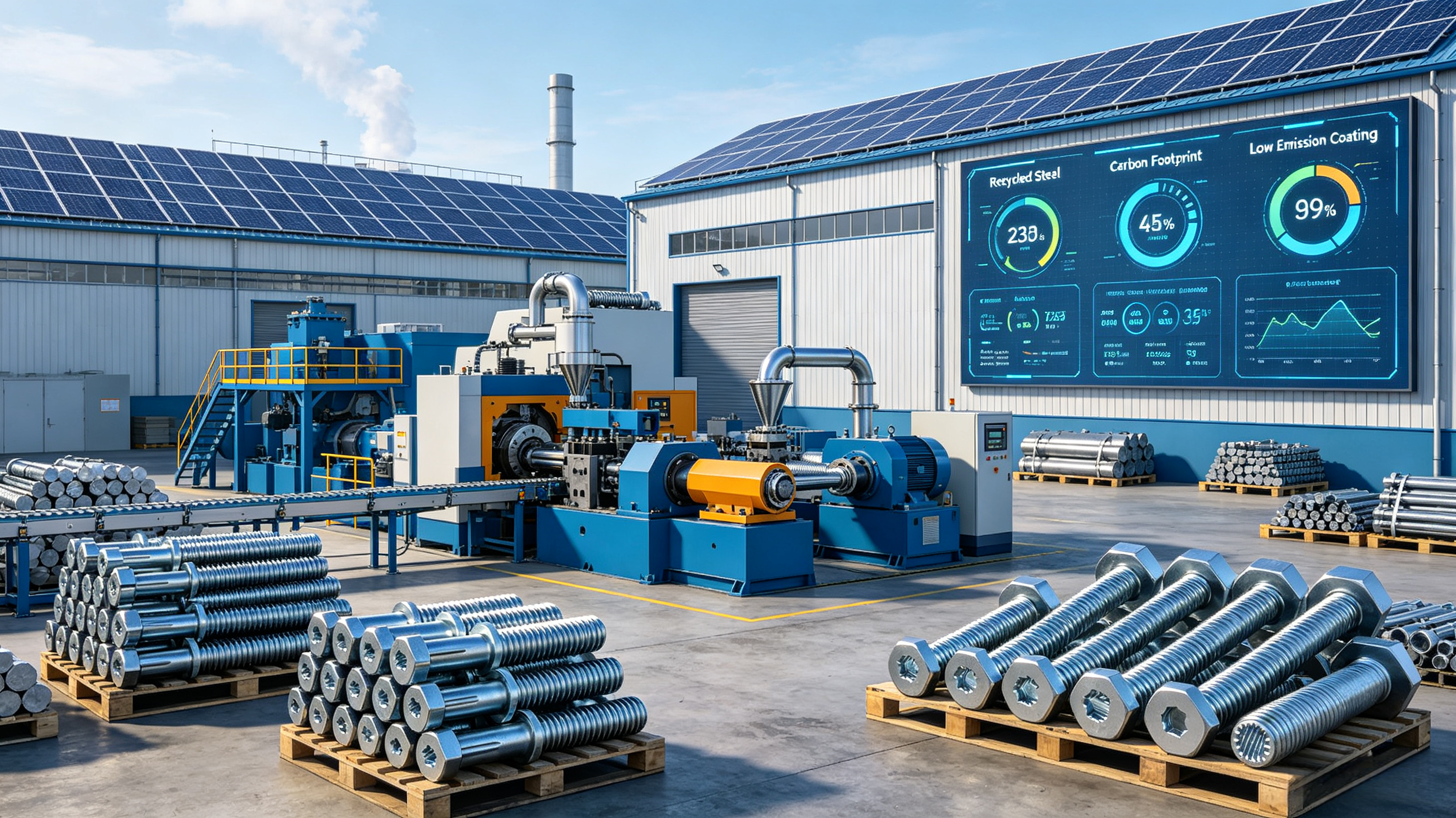
European and North American buyers are getting much more serious about environmental compliance. It’s not just about using “green” marketing words anymore.
Many large companies now require carbon footprint data, conflict mineral reports, and proof of low-emission production. This is pushing custom fastener manufacturer to upgrade their processes faster than expected.
Table 1: Sustainability Trends in Fasteners
| Area | What’s Changing | Impact on Buyers |
|---|---|---|
| Recycled Raw Materials | Higher usage of recycled steel | More pressure to accept slightly higher cost |
| Coating Regulations | Moving away from hexavalent chromium | Need suppliers with compliant alternatives |
| Carbon Reporting | Scope 3 emissions reporting required | Suppliers without data will lose bids |

2. Demand for High-Performance Materials Keeps Growing
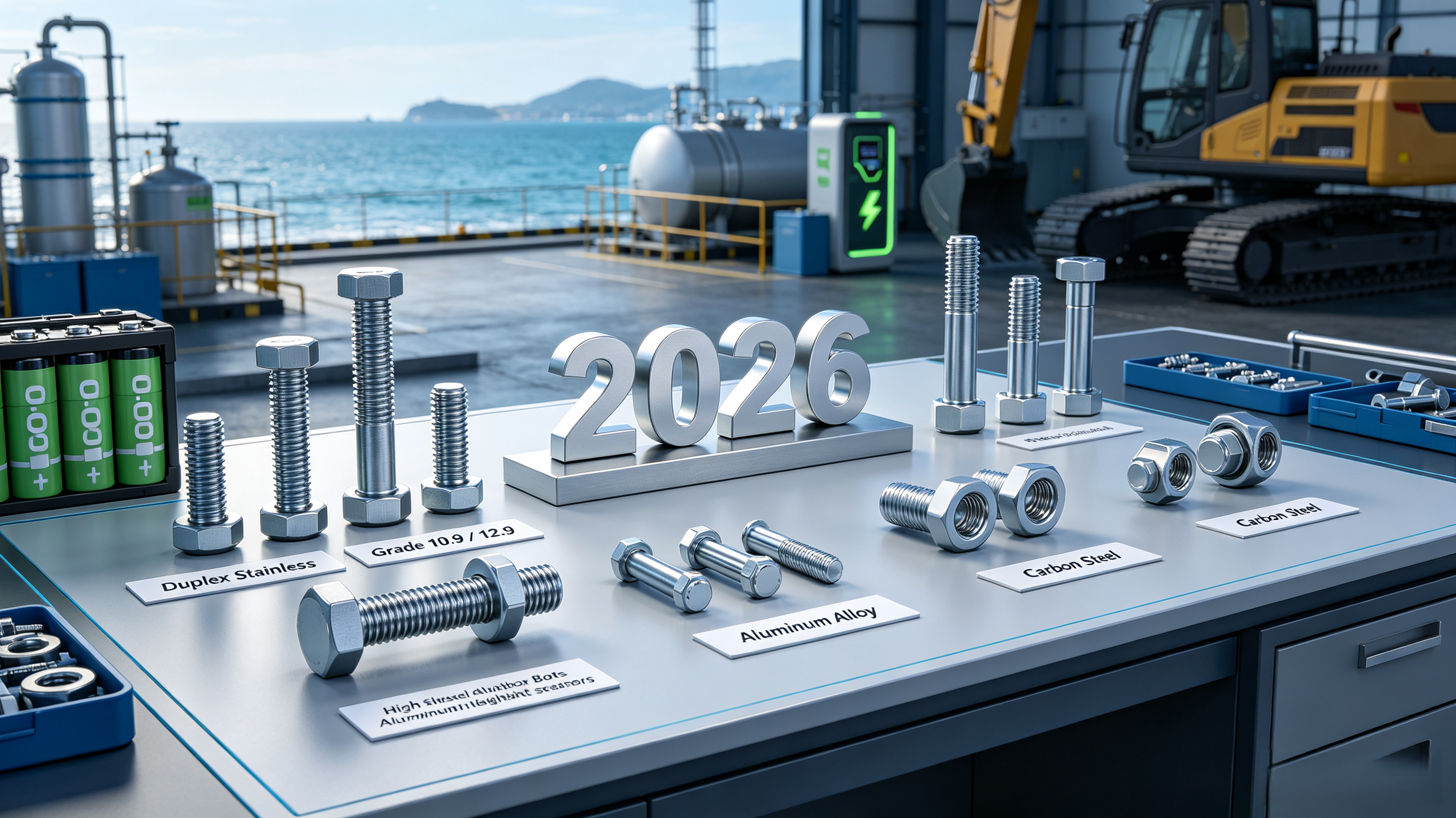
With the boom in new energy, automation, and infrastructure, standard carbon steel isn’t enough for many applications.
We’re seeing more requests for:
- Duplex stainless for coastal and chemical projects
- Lightweight solutions for electric vehicles
- High-temperature alloys for hydrogen and battery systems
Table 2: Popular Materials in 2026
| Material | Main Advantage | Typical Applications | Cost Level |
|---|---|---|---|
| Duplex Stainless Steel | Excellent corrosion resistance | Offshore, chemical processing | High |
| Grade 10.9 / 12.9 Alloy | Very high strength | Structural, automotive, heavy machinery | Medium |
| Aluminum Alloys | Lightweight | EV battery trays, aerospace | Medium |
| Carbon Steel (optimized) | Cost effective | General industrial use | Low |
3. Supply Chain Strategy Is Still Evolving
Many companies learned hard lessons in recent years. The current approach for many B2B buyers is no longer “all from one place” or complete diversification, but a smarter balanced strategy.
Most serious buyers now keep a strong primary OEM fastener manufacturer in China for cost and capacity, while developing secondary sources for risk protection.
4. Technology Upgrades in Manufacturing
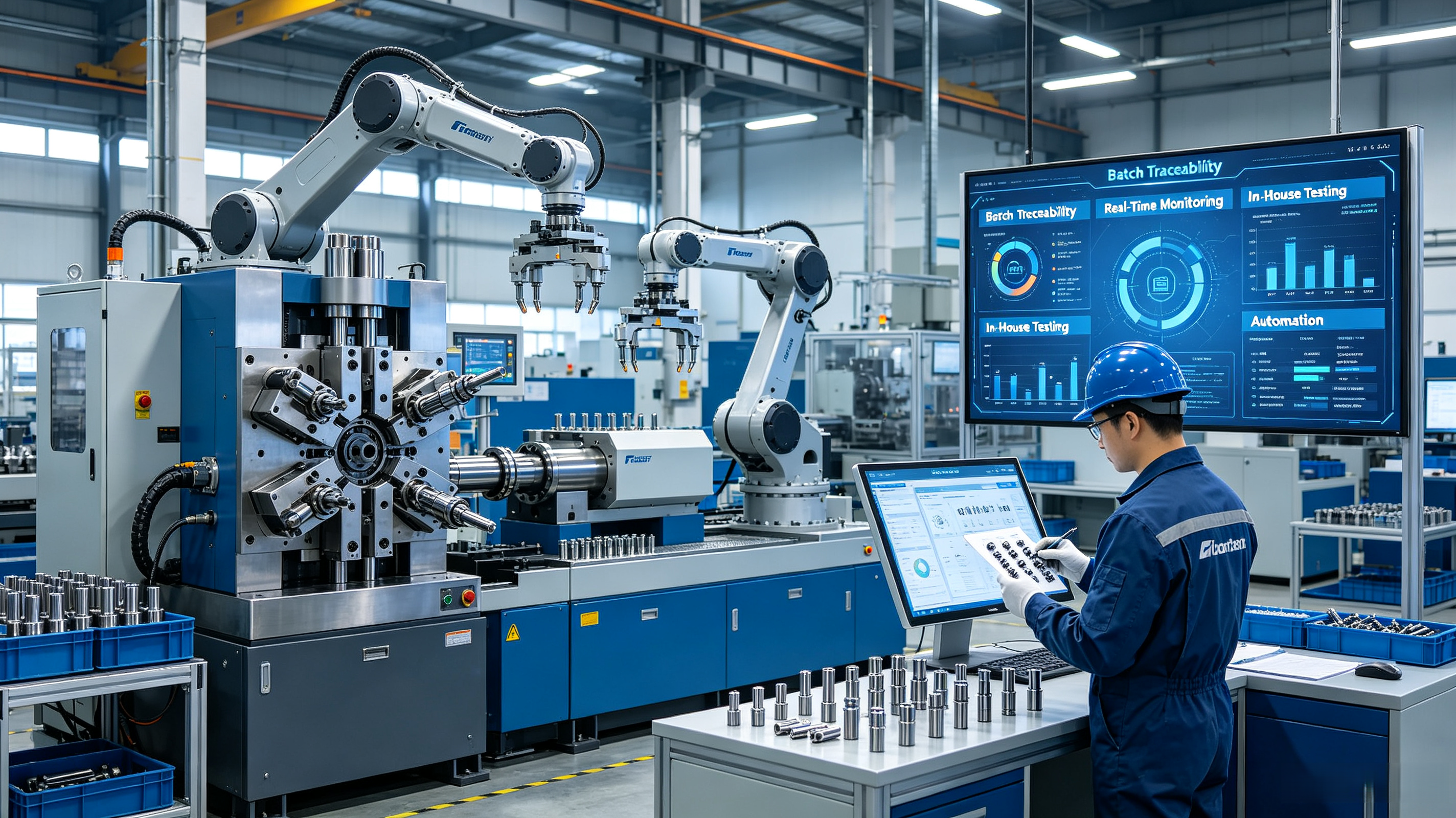
The better factories are investing heavily in automation, real-time monitoring, and digital traceability. This helps improve consistency and makes audits much easier for international clients.
Table 3: What to Look for in a Modern Supplier
| Capability | Why It Matters | Red Flag if Missing |
|---|---|---|
| In-house Testing Lab | Consistent quality control | Only third-party, slow feedback |
| Digital Traceability | Easier compliance and recalls | Can’t track specific batches |
| Technical Engineering Team | Design optimization & problem solving | Only sales staff, no engineers |
| Automation Level | Better consistency on large orders | Heavy reliance on manual labor |
What Smart B2B Buyers Are Doing Now
Instead of just asking “What’s your price?”, more experienced procurement teams are asking:
- Can you support our sustainability reporting?
- How do you handle design optimization for custom parts?
- What’s your real lead time when demand spikes?
A capable industrial fasteners supplier today needs to be more than just a factory — they need to be a technical and strategic partner.