Why building fasteners deserve more attention than they usually get
Building fasteners are easy to overlook because they are small, repetitive parts, but they are also the hardware that quietly holds assemblies together under load, vibration, weather, and installation error. For engineers, sourcing managers, and product teams, the real decision is rarely just “Which screw or bolt should we buy?” It is closer to: which fastening approach will hold up in the field, simplify installation, and avoid avoidable failure modes later.
That matters because a fastener problem is often not a fastener problem at all. It may show up as corrosion staining around a façade panel, stripped threads in a bracket, loose handrail fittings, or a roof assembly that needs more maintenance than planned. When building fasteners are chosen well, nobody talks about them. When they are chosen poorly, they become the most expensive low-cost item in the project.
What buyers usually need to decide first
Before comparing head styles or drive types, the first question is where the fastener will live and what it will do. Interior dry locations, exterior exposed applications, structural connections, and light-duty assembly work all place different demands on the part. A fastener for framing or mechanical support is not selected the same way as one used for trim, panels, or access hardware.
The practical filters are usually simple:
Will the fastener be exposed to moisture, temperature swings, or chemical cleaning agents?
Will it be installed by hand tools, power tools, or automated equipment?
Does the joint need to be serviceable later, or is it meant to stay closed?
Is appearance important, or is pure performance the priority?
Those questions often narrow the field faster than any catalog page can.
Common building fastener types and where they fit
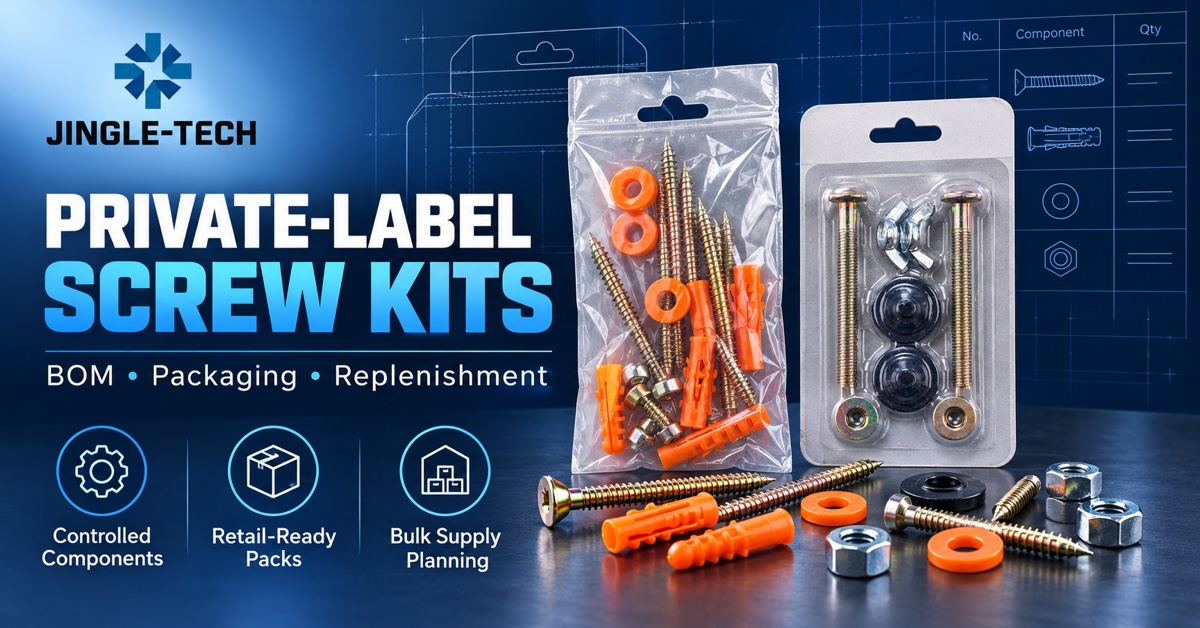
In building work, fasteners are usually selected by function as much as by size. Bolts, screws, anchors, washers, nails, and specialty connectors each solve a different problem. Bolted joints are common when clamping force and serviceability matter. Screws are often favored for repeatable assembly and direct engagement into wood, metal, or prepared holes. Anchors matter when the base material is concrete or masonry and the load must be transferred into the substrate rather than through a surface layer.
Washers are not an afterthought. They help spread load, reduce surface damage, and improve assembly reliability, especially where softer materials are involved. Nails remain relevant in many construction contexts because they can be fast to install and cost-effective in volume, though they are not a substitute for every application. In higher-demand assemblies, specialty building fasteners may be needed to address movement, uplift, fire-related requirements, or architectural constraints.
Material choice: the part you do not want to guess on
Material selection is one of the easiest places to make a mistake and one of the hardest to correct after installation. Carbon steel is widely used and economical, but it may need protection depending on exposure. Stainless steel is commonly chosen when corrosion resistance is important, especially in exterior or humid environments. Coatings can also help, but they should be understood as a system choice rather than a magic fix. If the coating is damaged during installation, the underlying substrate still matters.
There is also a tradeoff between strength and corrosion resistance. Higher strength does not automatically mean better performance in every building application. Overly hard or brittle fasteners can create installation issues, especially if the joint sees vibration or cyclic loading. A cautious buyer will ask whether the part’s mechanical behavior matches the intended use, not just whether the size looks right.
Selection criteria that save time later
For sourcing teams, the best buying decisions usually come from matching a short list of real-world criteria to the application. Compatibility with the base material comes first. Thread geometry, drive type, and head style come next because they affect installation speed and field reliability. Then come environmental factors such as corrosion exposure, temperature, and maintenance access.
A few practical cautions are worth keeping in mind. First, mixed-metal assemblies can accelerate corrosion if the system is not designed carefully. Second, a fastener that installs quickly in a lab may behave very differently on a windy job site with inconsistent tool control. Third, a part that looks interchangeable on paper may still differ in head profile, thread engagement, or coating behavior in a way that matters to installers.
Quick buyer checklist
If you are sourcing building fasteners for a project or product line, start with the application, not the catalog. Confirm the substrate, the expected load path, the exposure environment, and the assembly method. Then verify the fastener material, size, drive, and finish against those conditions. If the assembly will be field-installed, make sure the fastening choice is realistic for the people doing the work. That is an awkward truth in manufacturing and construction: the best-designed fastener is still a poor choice if nobody can install it correctly.
Common mistakes teams make
The most common mistake is treating all fasteners in a category as equivalent. They are not. Another is choosing solely on unit price and ignoring installation labor, corrosion risk, or replacement cost. A third is failing to account for the whole joint, especially washers, anchors, mating materials, and tool access. In building applications, the joint is the system; the fastener is only one part of it.
When to ask for more documentation
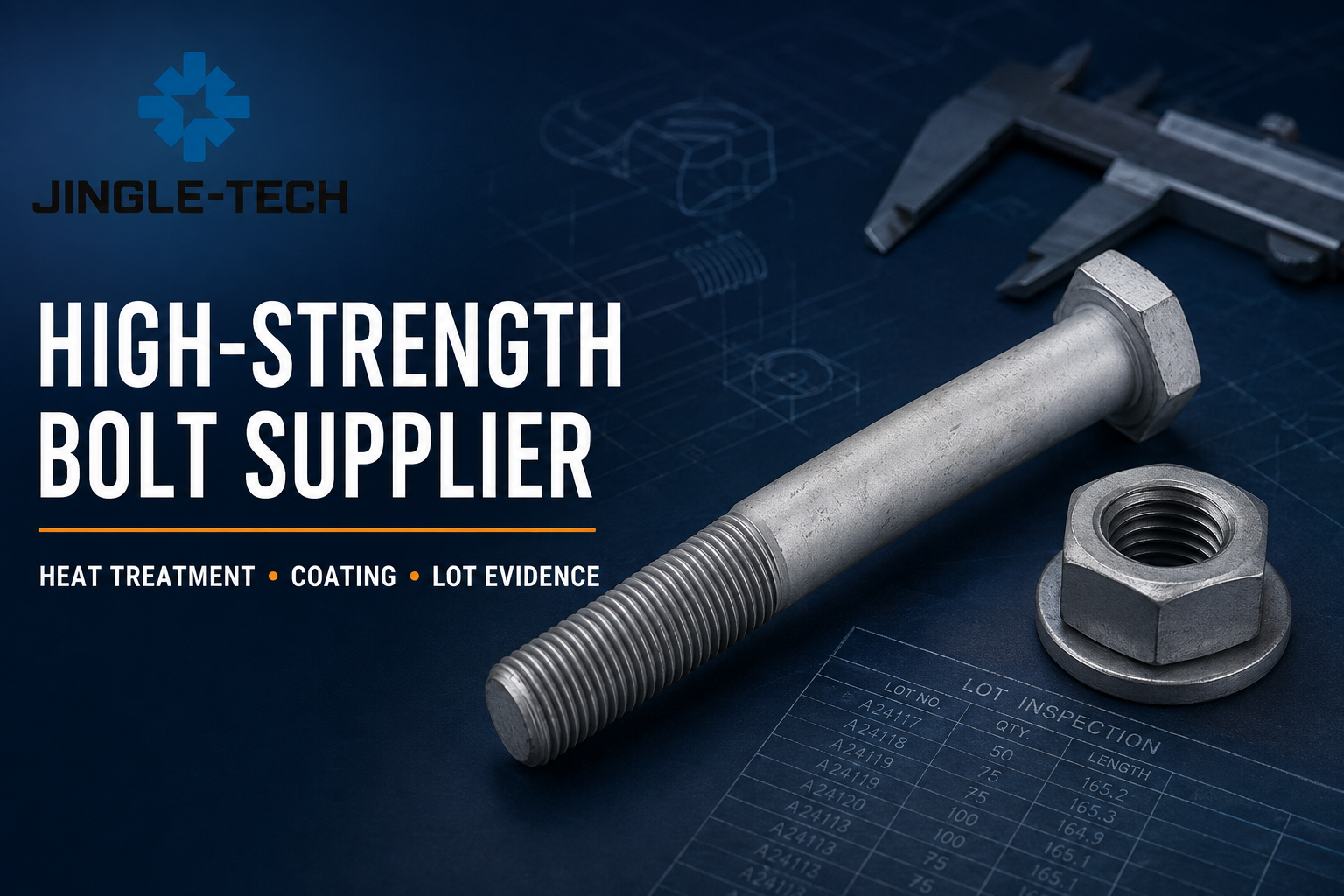
If the application is structural, exterior, or safety-related, ask for the material specification, coating details, dimensional information, and any relevant test or compliance documentation that the supplier can legitimately provide. If those details are unclear, pause before releasing the order. It is usually cheaper to ask one more question than to rework a field failure later.
Next step for engineers and buyers
For teams evaluating building fasteners, the right next step is a simple application review: define the environment, load condition, installation method, and service expectations, then narrow the fastener type from there. That process may feel slower at the start, but it usually shortens sourcing cycles and reduces surprises during installation.
If you are building a specification or comparing supplier options, use the joint requirements as your filter. The best fastener is not the most familiar one. It is the one that fits the material, the job site, and the maintenance plan without asking for heroics later.