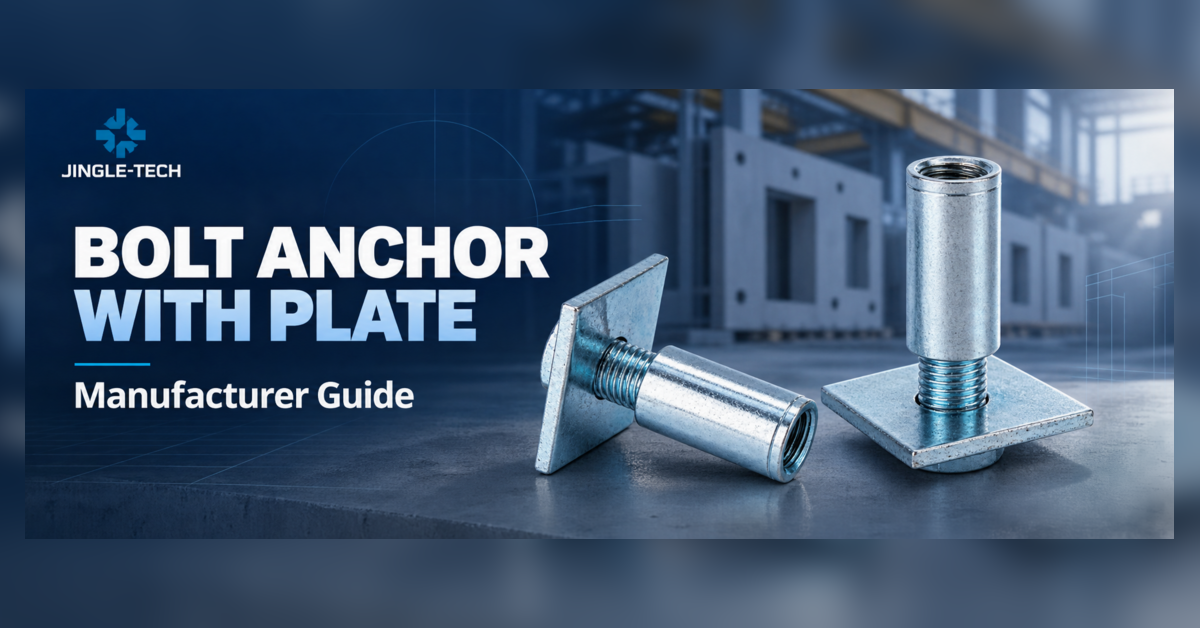
Spherical Head Anchor: what it is and why buyers keep asking for it
A spherical head anchor is one of those precast lifting components that looks simple on paper and turns out to matter a great deal in the yard. If you are sourcing lifting hardware for precast concrete, the real question is not just what the part is called, but how it fits your lifting method, casting process, and handling risks. A wrong anchor choice can complicate stripping, slow turnaround, or create avoidable damage at the edge of a panel or block.
For engineers and sourcing teams, the decision usually comes down to this: do you need a lifting anchor that is easy to engage, compatible with your concrete product geometry, and dependable through repeated handling? That is where the spherical head design earns attention. It is widely used in precast operations because the rounded head geometry interfaces with matching lifting clutches and spreads load in a controlled way when the correct system is used.
Quick reference: where a spherical head anchor fits in the lineup
Precast plants often compare several anchor styles before standardizing a lifting system. The useful comparison is not only shape, but how each anchor behaves in production and handling.
- The spherical head anchor is commonly selected for lifting precast elements with compatible clutches and a repeatable connection method.
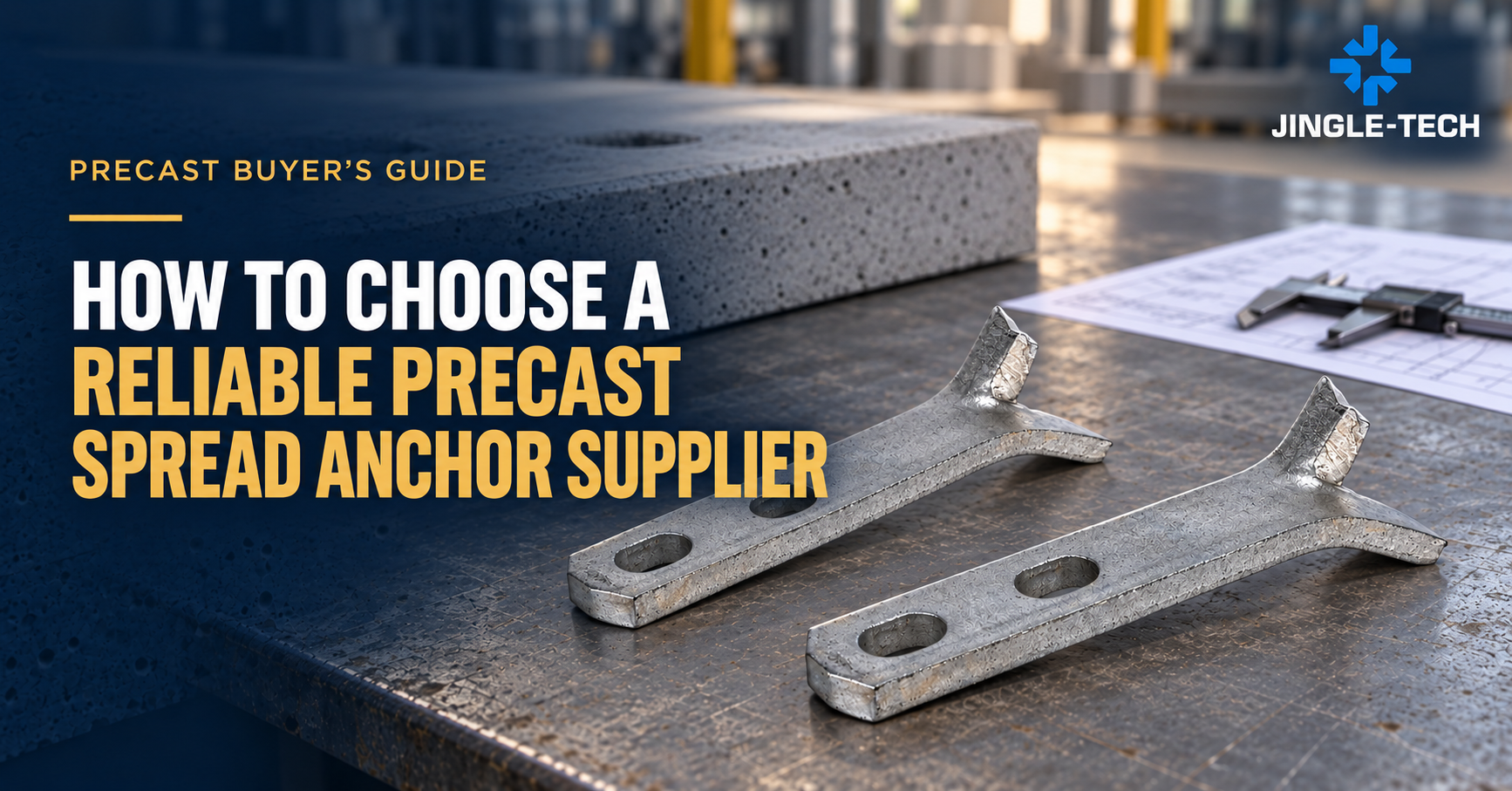
- A Foot Anchor may suit certain embedment and lift arrangements where base geometry is more important than a rounded head interface.
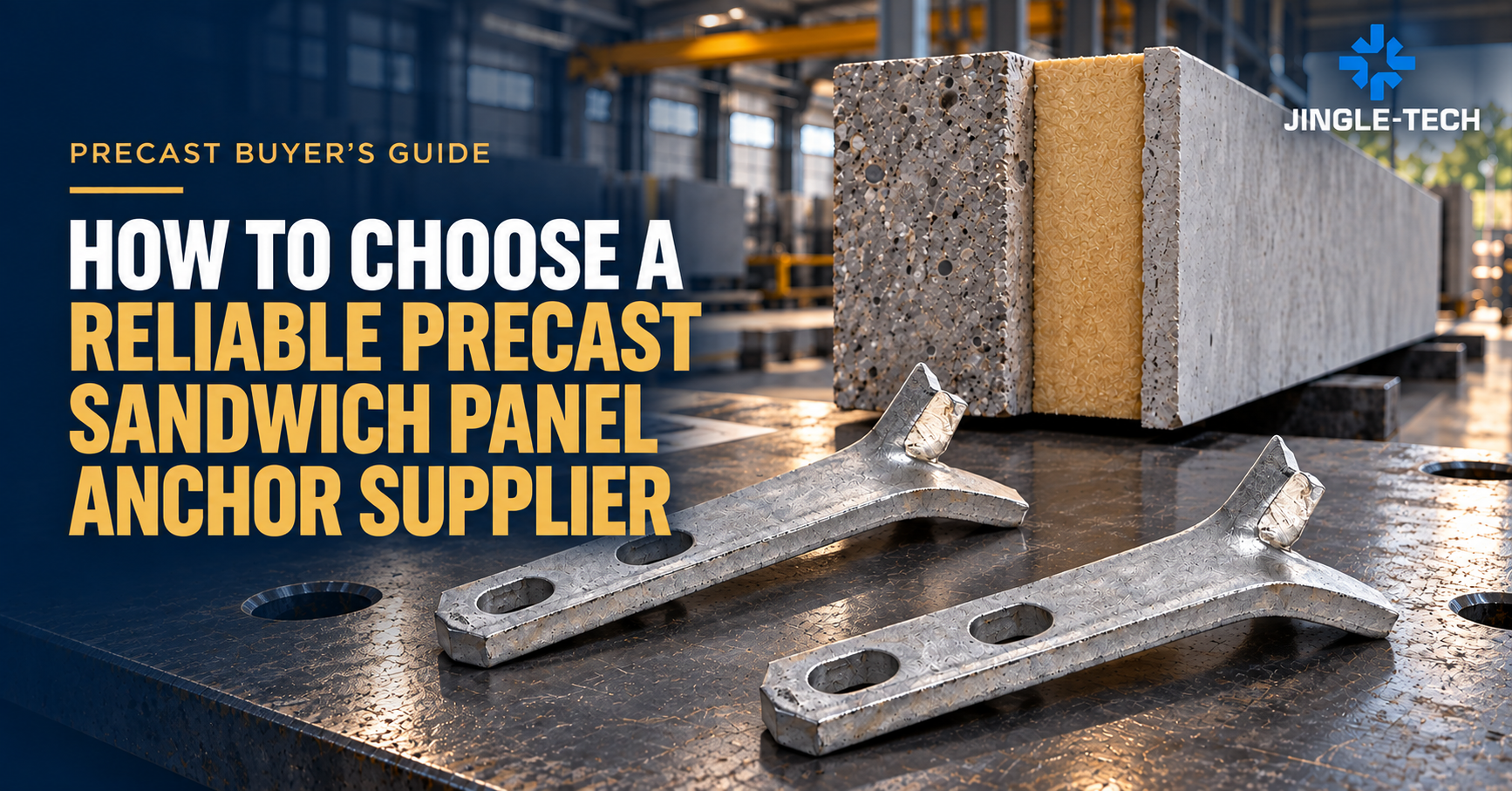
- A Dog Bone Anchor is often discussed in precast contexts as a different lift or connection style, depending on the plant’s preferred hardware system.
- A Swift Lift Anchor typically points buyers toward a faster, standardized lifting workflow, though the exact fit depends on the matching accessory system.
That comparison matters because buyers sometimes focus on the anchor alone, when the real system is anchor plus clutch plus concrete design. If one piece is mismatched, the whole handling sequence becomes awkward.
Why the head shape matters in production
The rounded head is not just a naming feature. It affects how the lifting device seats, how the load is transferred, and how easy it is for operators to connect and release during normal plant work. In a busy precast yard, ease of engagement can save more time than a marginal difference in part cost. That said, a “faster” anchor is only faster if the crew uses the correct mating hardware and follows the same routine every time.
From a manufacturing point of view, spherical head anchor systems are often chosen where repeatable lifting and standardized procedures are priorities. They can be practical for wall panels, slabs, and other precast elements, provided the embedment layout and concrete strength are planned around the lift. It is worth saying plainly: anchor selection should never be treated as a last-minute accessory decision. It is part of the product design.
Selection criteria that actually matter
1. Match the anchor to the concrete element
Panel thickness, edge distance, reinforcement layout, and expected lift orientation all influence whether the anchor is a good fit. A lifting point that works in a thick solid section may be a poor choice near a thin edge or opening.
2. Confirm compatibility with the lifting device
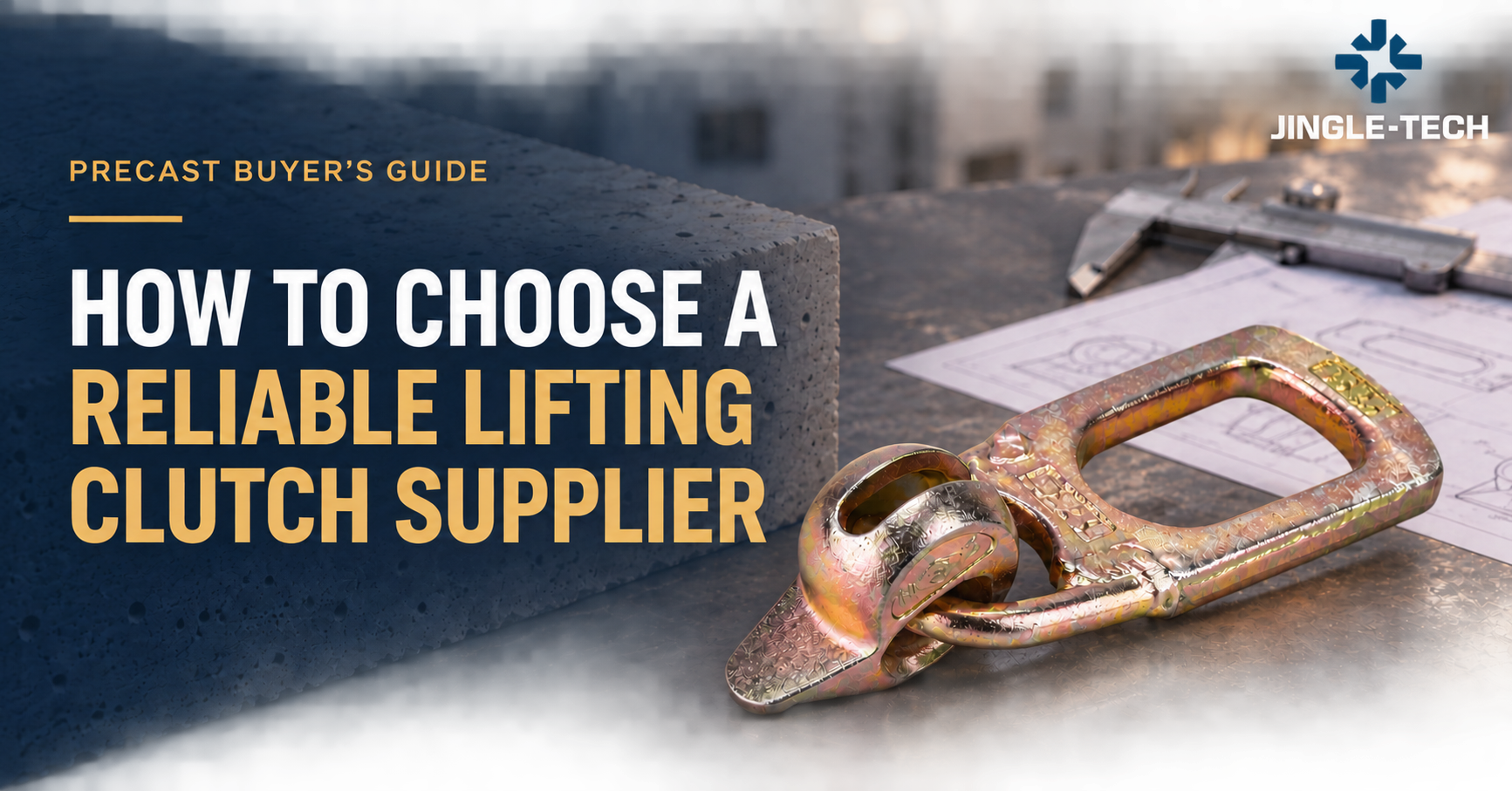
A spherical head anchor should be evaluated with its intended lifting clutch or connector. Mixing systems is a common sourcing mistake. If the hardware is not designed as a pair, operators may encounter poor seating or awkward release behavior.
3. Think about the production floor, not only the drawing
Some anchors look fine in CAD but are clumsy during casting, stripping, or storage. The best buying decisions usually account for actual plant conditions: crowded rebar cages, wet concrete, forklift movement, and crews working to a schedule.
Common mistakes buyers make
One mistake is assuming all precast lifting anchors are interchangeable because they serve the same broad purpose. They are not. Another is overlooking how often the same element will be handled. A single lift requirement and a repeated handling cycle are different problems. In addition, buyers sometimes ask only about the anchor material and ignore the full lifting arrangement. That is a shortcut that can cost more later.
It is also easy to underestimate training. Even a well-designed system can be misused if crews are not consistent about engagement, inspection, and release. A practical caution: if the plant relies on multiple subcontractor crews, standardization becomes even more important.
Practical buyer advice before placing an order
Before sourcing spherical head anchor products, request clear information on the intended lifting system, the matching accessories, and the installation guidance for the precast element you are producing. If you are comparing alternatives such as Foot Anchor, Dog Bone Anchor, or Swift Lift Anchor, ask which geometry best suits your panel design and handling sequence rather than assuming one format is universally better.
For sourcing managers, the cleanest approach is to align engineering, production, and lifting hardware suppliers early. That avoids the familiar problem of ordering anchors that are technically available but awkward in the field. Small mismatches tend to show up at the worst moment: when the first cast is ready to move.
What to ask your supplier
Ask which anchor-clutch system is intended, how the anchor should be positioned in the formwork, and whether the product is suitable for your specific precast application. If the supplier provides installation guidance, use it. If the answer is vague, treat that as a warning sign rather than a convenience.
Next step for engineering and sourcing teams
If you are evaluating a spherical head anchor for a new precast product or a plant standardization project, start with the lifting method and element geometry, not the catalog description. Then compare the anchor against the rest of your handling system. That is the quickest way to avoid buying a part that looks right but performs poorly once the forms are full and the schedule is tight.