Understanding Lifting Anchors: The Unsung Heroes of Construction
A lifting anchor is a fundamental component in the precast concrete industry, providing a secure point for lifting and transporting heavy concrete elements. These ingenious devices are embedded into the concrete during casting, creating a reliable connection for lifting equipment. Without a robust system incorporating a dependable lifting anchor, the safe and efficient handling of precast walls, beams, slabs, and other structural components would be virtually impossible. They are engineered to withstand significant loads, ensuring that massive concrete sections can be moved from the casting yard to the construction site and precisely positioned. The design and selection of the appropriate anchor are critical for project safety and success.
The Crucial Role of the Lifting Clutch in Anchor Systems
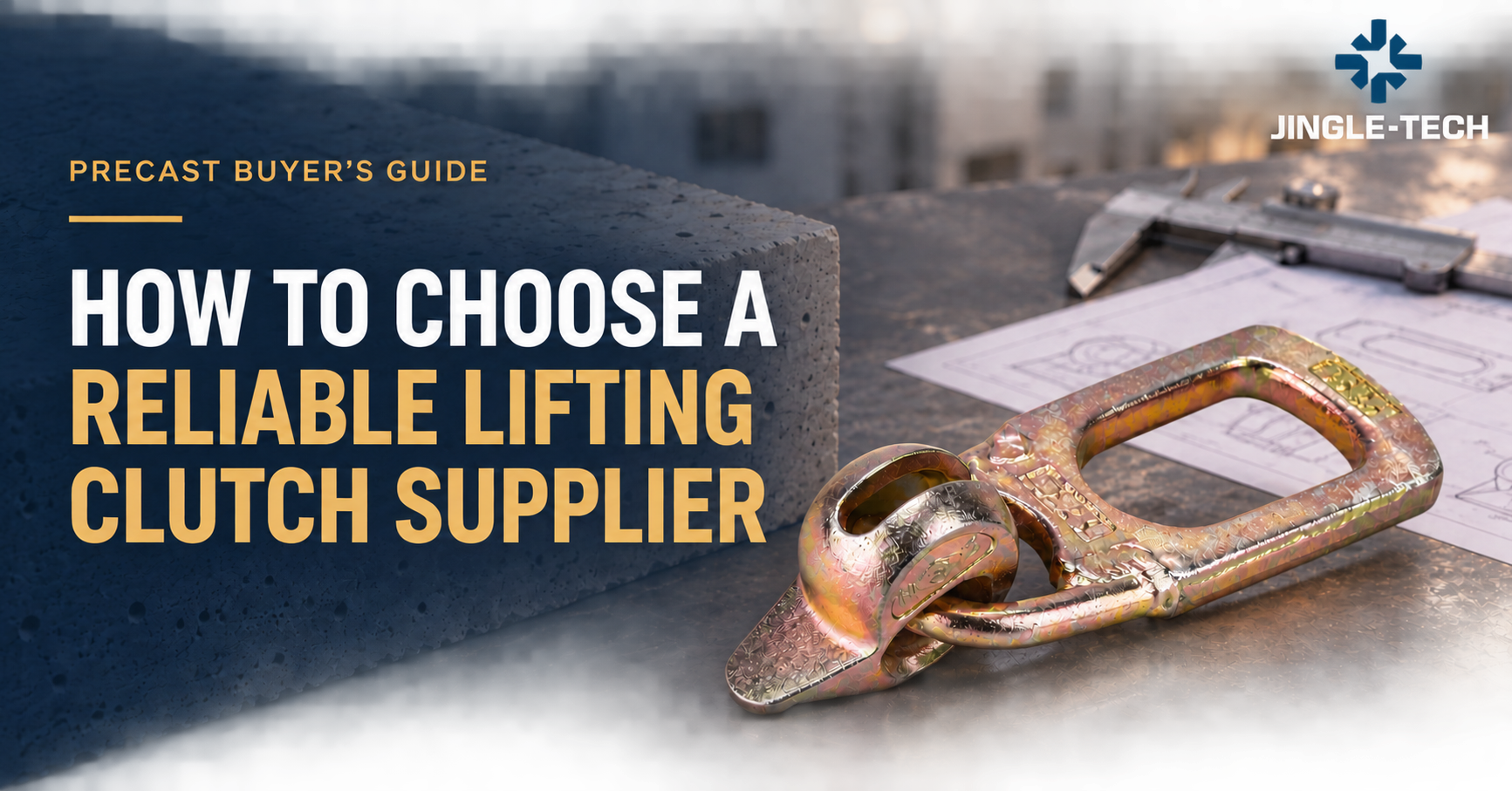
At the heart of many embedded anchor systems is the lifting clutch, an indispensable counterpart. The lifting clutch, sometimes referred to as a lifting eye or ring clutch, is a specially designed mechanical device that connects the crane hook or other lifting machinery to the embedded anchor head. It works by engaging with the head of the anchor, creating a secure and load-bearing connection. When a load is applied, the clutch evenly distributes the forces, preventing stress concentrations that could damage the concrete or the anchor itself. Using the correct, compatible lifting clutch for the specific type of embedded anchor is paramount; mismatching these components can lead to catastrophic failures. Therefore, understanding its mechanics is vital.
Exploring Different Types of Lifting Anchor Systems
The world of precast concrete utilizes several types of solutions for raising elements, each designed for specific applications, load capacities, and concrete element geometries. Common varieties include:
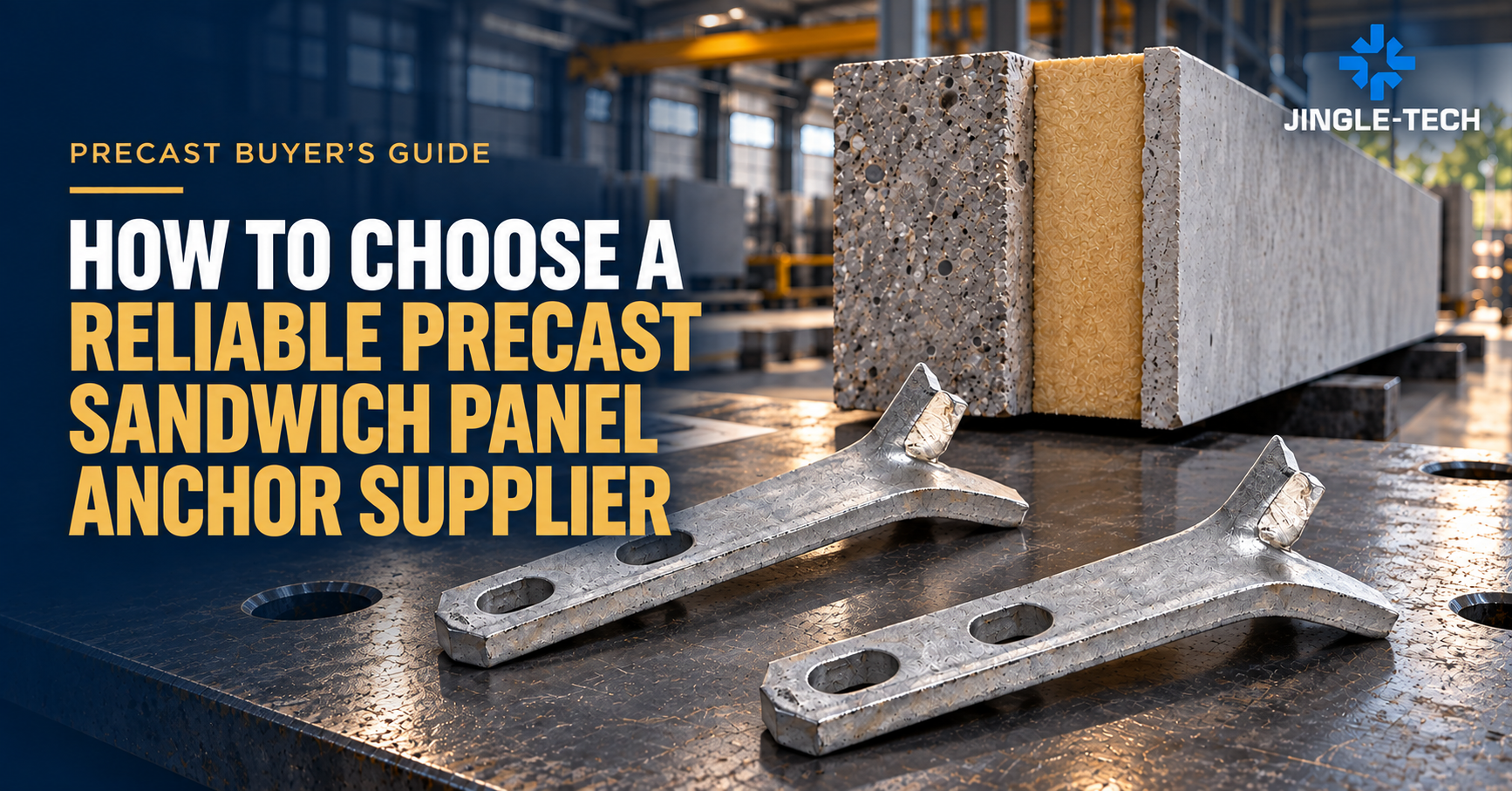
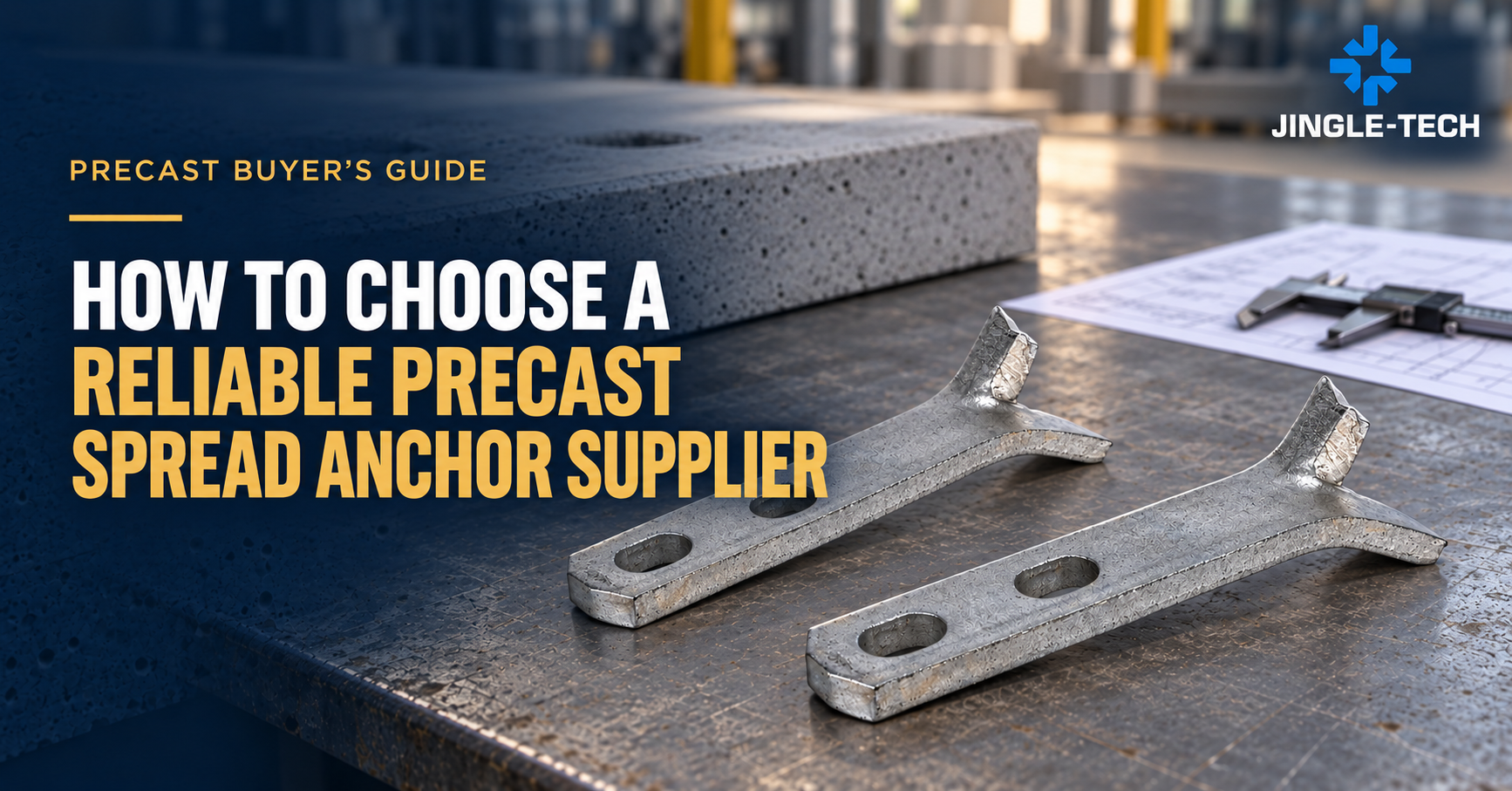
1. Spread Anchors (or Dog Bone Anchors): These are widely used due to their versatility and ability to handle shear, tension, and inclined loads. They feature a distinct shape that provides excellent anchorage in the concrete. A compatible clutch engages with the head of the spread anchor.
2. Spherical Head Anchors (or Pin Anchors): These components have a spherical head and are engaged by a corresponding spherical head clutch. They are known for their simple design and ease of use, suitable for various lifting angles. This is a popular type of lifting anchor.
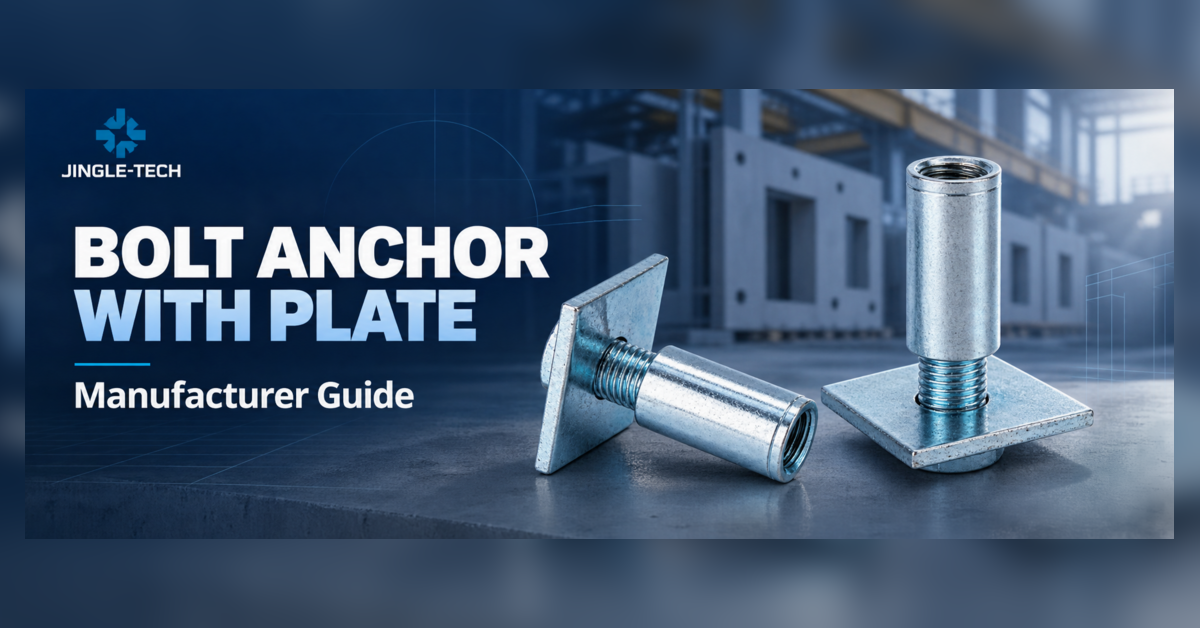
3. Flat Foot Anchors (or Plate Anchors): Designed for face lifting thin panels or slabs, these have a flat base that distributes load over a larger area, reducing the risk of concrete spalling. They require a specific type of engagement device.
4. Wire Loop Anchors: These are often used for lighter elements or where a more flexible point is needed. They consist of high-strength wire rope formed into a loop.
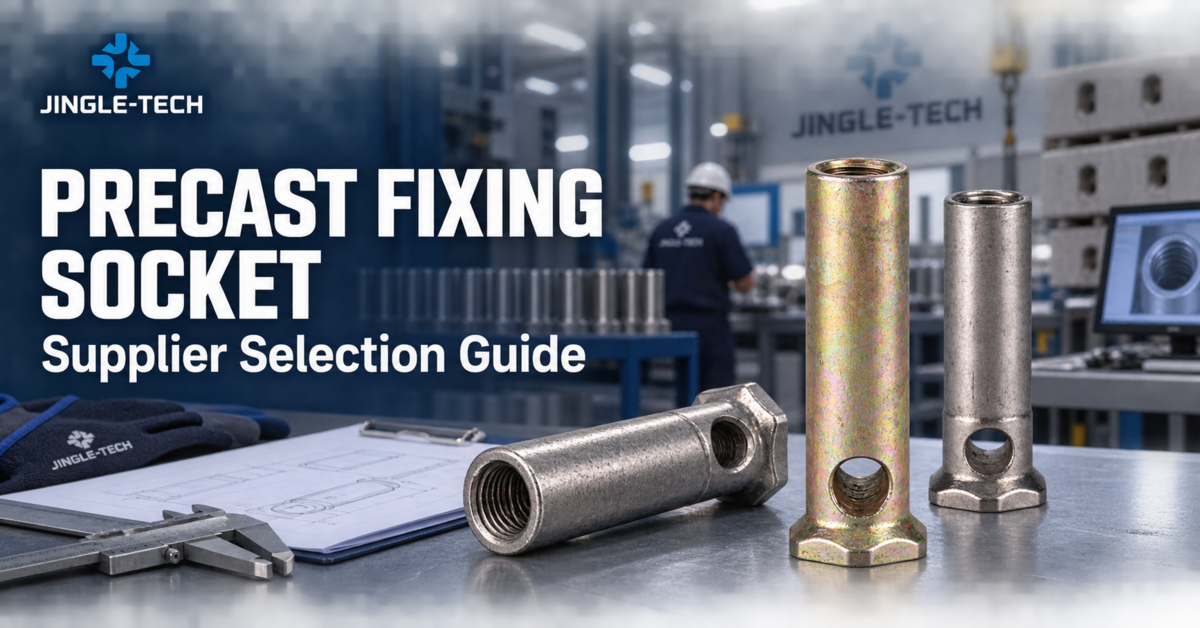
5. Threaded Socket Anchors: These feature an internal thread that allows a threaded lifting bolt or loop to be screwed in, providing a secure point.
Prioritizing Safety: Best Practices for Lifting Operations
Safety is non-negotiable when working with any system involving a lifting anchor and its corresponding clutch. Adhering to best practices is essential to prevent accidents. Key safety considerations include:
1. Correct Selection: Always choose the anchor and its engaging clutch specifically designed for the load, concrete strength, and type of lift. Consult manufacturer specifications.
2. Proper Installation: Ensure the embedded fixture is installed at the correct depth and orientation within the concrete formwork before pouring, as per engineering designs.
3. Pre-Lift Inspection: Before each lift, visually inspect the anchor head (if visible), the surrounding concrete, and the connecting mechanism for any signs of damage, wear, or corrosion. Do not use damaged equipment. One key component in this check is the lifting clutch.
4. Correct Engagement: Verify that the clutch is fully and correctly engaged with the anchor head. An improper connection can lead to slippage.
5. Load Limits: Never exceed the safe working load (SWL) capacity of the anchor or the engaging device. Factor in dynamic loads.
6. Trained Personnel: Only trained and competent operators should be involved in these operations.
Maintaining Your Systems for Longevity and Safety
Proper maintenance of both the embedded component (where accessible) and the reusable clutch parts is crucial for their continued safe operation. For the connect/disconnect mechanisms, regular inspection for wear, deformation, or cracks is vital. Moving parts should be cleaned and lubricated as per manufacturer recommendations. Any device, such as a well-used lifting clutch, that shows signs of damage or has been overloaded should be immediately removed from service. While the anchor itself is cast into the concrete, the exposed head should be protected from corrosion if it's intended for long-term exposure. If recess formers are used, ensure they are removed cleanly so the engaging part can connect properly. Proper storage of clutches in a dry, clean environment also prevents premature degradation.
Choosing the Right Lifting System for Your Project
Selecting the appropriate lifting anchor solution for your specific project involves considering several factors. The weight and geometry of the precast concrete element are primary. The direction of the lift (e.g., shear, tension, axial) and any angular loading will dictate the type of embedment required. Concrete strength at the time of the first lift is also a critical parameter, as the anchor's capacity is dependent on the concrete it's in. Furthermore, the specific type of engaging device designed to match the chosen anchor must be used; interchangeability is generally not permitted and highly unsafe. Always refer to the manufacturer's technical data sheets. Consulting with engineers and suppliers can provide valuable guidance in making the optimal choice, ensuring both safety and efficiency. This careful selection ensures the integrity of every lift.