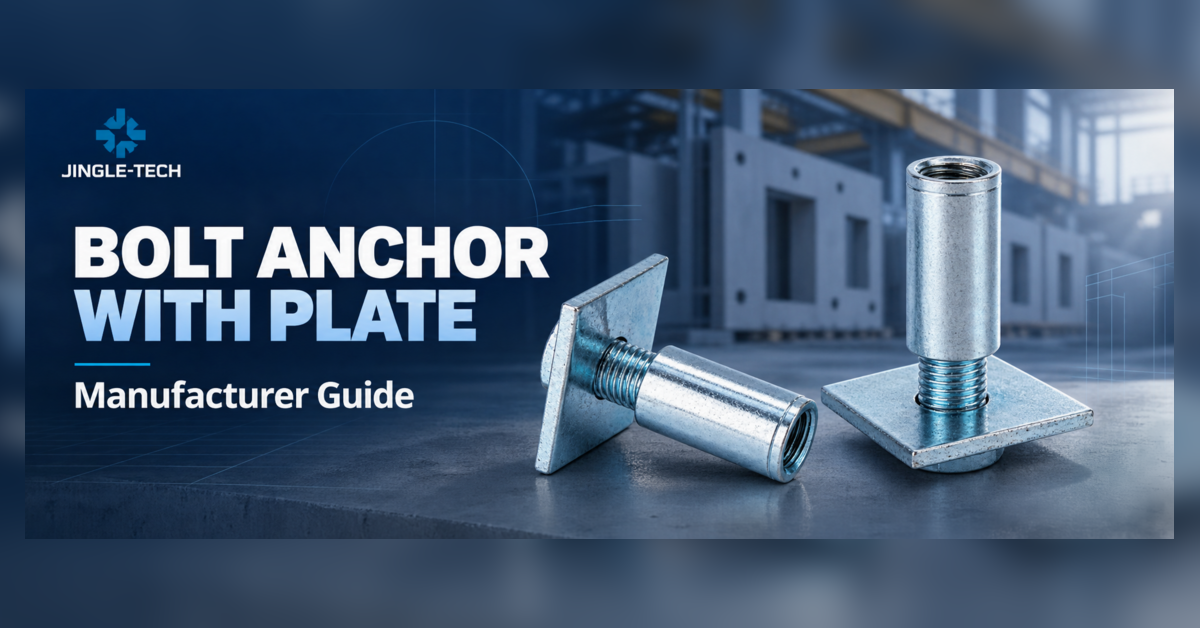
Why concrete lifting sockets matter on the job
Concrete lifting sockets are one of those components that rarely get attention until something goes wrong. On a precast yard, on a site where panels are being set, or in any operation that depends on safe lifting points, the socket is doing a very simple but very serious job: transferring load from the lifting hardware into the concrete element. If that transfer is poorly designed, poorly installed, or misunderstood during handling, the consequence is not minor inconvenience. It is cracked edges, delayed installation, damaged product, and a safety issue that can ripple through the whole schedule.
For engineers and sourcing teams, the real decision is not just which socket to buy. It is whether the lifting system matches the element geometry, the lifting method, the reinforcement strategy, and the way crews actually handle the piece in the field. That is the practical question this article is meant to help answer.
What a lifting socket does in a concrete element
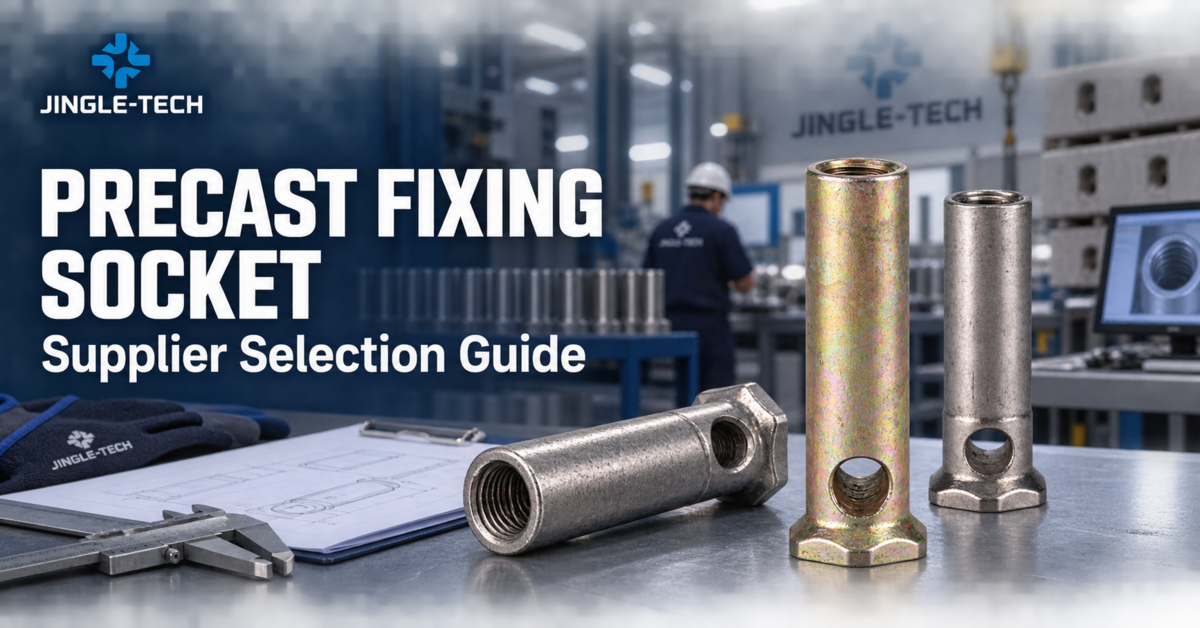
A lifting socket is a cast-in insert designed to accept a lifting loop, anchor, or threaded lifting device so a concrete unit can be moved without slings bearing directly on the surface. In precast work, that may mean wall panels, stairs, beams, slabs, or utility products. The socket provides a reusable connection point, but the surrounding concrete and reinforcement must do the real work of spreading the load.
That is the part people sometimes underestimate. The socket itself may be the visible hardware, yet the success of the system depends on embedment depth, edge distance, concrete strength at lift time, and the orientation of the load. A socket that looks standard on paper can behave very differently in a thin section or near a congested rebar cage.
Key selection factors buyers should compare
When teams evaluate concrete lifting sockets, the first pass usually starts with capacity and thread compatibility. That makes sense, but it should not be the last step. The more useful comparison is broader.
Load path and geometry
Ask how the load enters the concrete and where it exits. If the part is thin or has an irregular profile, the socket may need reinforcement around the embedment zone. The lifting direction also matters. A socket that behaves well in a straight vertical lift may not be as forgiving when there is a slight angle, wind sway, or site handling variation.
Material and corrosion exposure
Steel inserts are common, but the environment changes the buying decision. Indoor precast storage is one thing; roadside infrastructure, marine exposure, or long-term moisture exposure is another. Buyers should confirm the intended material finish and ask how the insert is expected to perform over the service life of the product. If corrosion resistance is critical, that discussion should happen early, not after production begins.
Installation workflow
Some lifting sockets are easier to position in the mold than others. That may sound like a small shop-floor detail, but it affects repeatability. If a socket needs fine adjustment during setup, or if it is awkward to secure while the cage is being assembled, the chance of misalignment rises. Misalignment leads to leaning lifts, extra patching, and unhappy crews.
Common mistakes that create avoidable risk
The most common error is treating the socket as a commodity part with no system context. Another is assuming all lifting points can be scaled directly from one product line to another. A panel with generous thickness and edge distance can tolerate a different insert than a slender architectural element.
There is also a tendency to focus only on ultimate strength and ignore the condition of the concrete at lift time. Early-age concrete is often the issue, especially when production schedules are tight. If the part has not reached the required strength before lifting, even a properly specified socket can be overloaded in practice.
One practical warning: if the lifting hardware is being substituted late in the process because procurement needs a faster source, that substitution should be reviewed by the engineering side. “Close enough” is not a safe sourcing strategy here.
Practical buyer checklist
Before placing an order, sourcing managers and product teams should confirm the following with the supplier or internal engineering team:
1. The intended load direction and lifting condition.
2. The concrete element thickness, edge distance, and reinforcement layout.
3. The thread size or coupling requirement for the lifting hardware.
4. The environmental exposure and any corrosion concerns.
5. The plant’s installation method and whether the socket can be placed consistently in production.
Questions to ask before production starts
If you are qualifying concrete lifting sockets for a new product, ask how the insert will be inspected in the mold, how it will be protected during casting, and what the team does if the part is slightly off position. Those small process questions often reveal more than a product sheet.
It is also worth clarifying whether the lifting plan assumes a single pick or multiple picks. Multi-point lifting can change the force distribution enough to affect the insert choice. That is one of those details that seems obvious until the first trial lift exposes the gap.
Where the discussion usually ends up
Most teams eventually reach the same conclusion: the best lifting socket is the one that fits the element, the handling method, and the production process together. Not the heaviest one, not the cheapest one, and not the one that happens to be on the shelf this week.
If you are specifying or sourcing for precast operations, the next step is to review the part geometry and lifting plan side by side. That is the quickest way to narrow the field and avoid buying an insert that only looks right on the drawing.