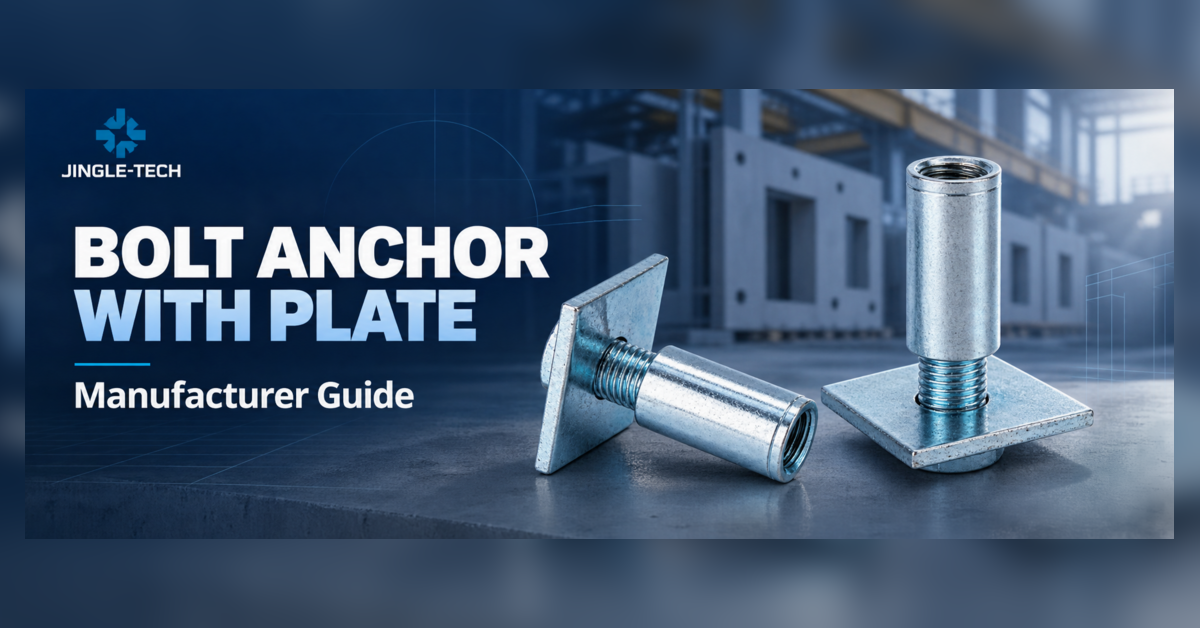
Why erection sockets matter in precast construction
An erection socket is one of those small components that can make a big difference on a precast jobsite. It is not the part that gets the headline, but it often helps determine how safely and efficiently a panel, beam, or other precast element is lifted, aligned, and placed. For engineers and sourcing teams, the real question is not whether the socket is simple. It is whether the socket is matched to the load path, the concrete design, and the erection method being used.
In precast work, the lifting and temporary handling phase is where risk concentrates. A well-chosen socket supports the intended erection sequence and reduces the chance of delays, damaged edges, or awkward field fixes. A poorly matched one can create problems that are expensive to correct once the cast element is already in production.
What the erection socket does on site
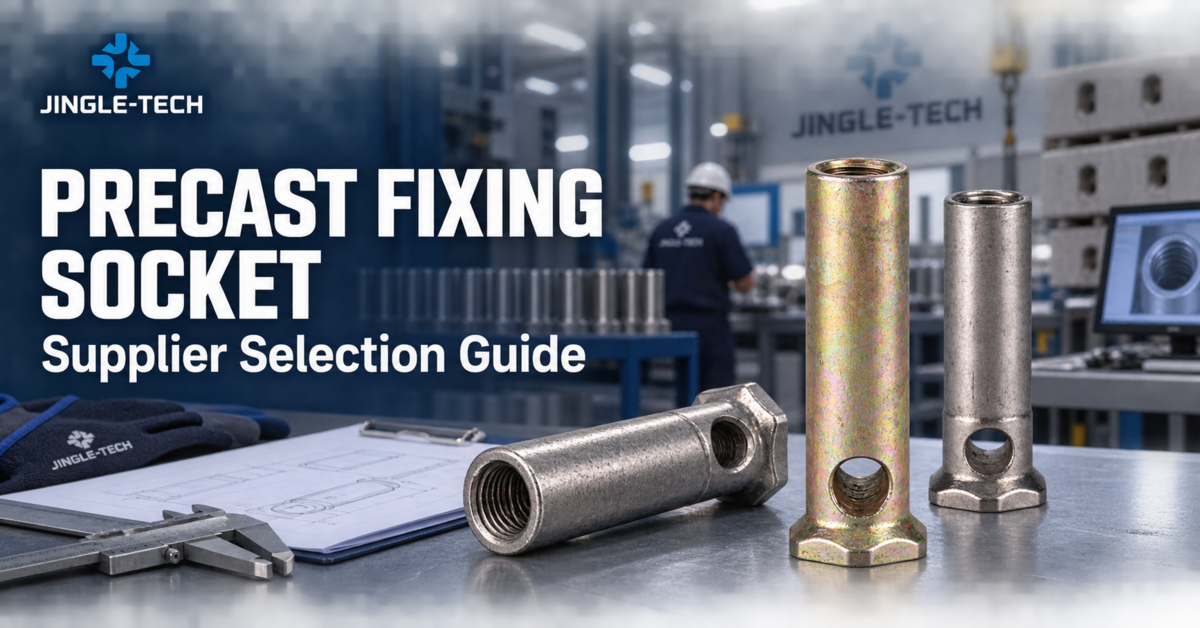
At a practical level, the erection socket provides a connection point for lifting or temporary erection hardware. It is embedded into the precast unit so crews can engage the element without improvising with slings, clamps, or site-made attachments. That sounds straightforward, but the design has to account for more than just pullout resistance. Concrete cover, placement accuracy, load direction, and the way the element will be rotated or stabilized during erection all matter.
In many precast erection systems, the socket is part of a broader handling strategy. It may work together with inserts, lifting anchors, or temporary bracing hardware. The best systems are designed as a package rather than as a collection of separate parts chosen late in the project.
Erection socket, erection insert, and related hardware
The terms erection socket and erection insert are sometimes used in overlapping ways, though the exact meaning can vary by supplier and project specifications. In practice, both point to embedded hardware intended to support erection or temporary construction loads. The important thing for buyers is not the label, but the function: what load the component must carry, how it is installed, and what accessory hardware is required in the field.
When reviewing precast erection systems, it helps to look at the complete assembly. A socket on its own is only part of the story. Compatibility with bolts, lifting eyes, threaded accessories, and installation tools can affect both shop productivity and field safety. If the crew has to hunt for a special adapter, the system is already less attractive than it looked on paper.
Selection criteria that actually matter
Specification sheets can become cluttered very quickly, so it helps to keep the evaluation practical.
Load direction and erection sequence
Ask how the socket will be loaded during each stage. Vertical lift, angled pick, rotation, and temporary restraint are not the same thing. A socket that looks adequate in one configuration may not be suitable in another. That distinction is easy to miss when a project is moving fast.
Concrete element geometry
Thin sections, congested reinforcement, and edge proximity can limit where the socket can be placed. The embedded component should fit the member design without creating weak zones or installation conflicts.
Field usability
Crews care about access. If the connection is hard to reach, hard to clean, or awkward to thread in poor weather, the system becomes slower in real life than it appeared during design review.
Documentation and coordination
For sourcing managers, the documentation package matters as much as the metal itself. Clear installation guidance, compatibility notes, and assembly drawings help prevent procurement mistakes and shop-floor confusion. In precast work, a few missing dimensions can cost a shift.
Common mistakes buyers should avoid
One common mistake is treating every embedded connection as interchangeable. Another is selecting hardware before the erection method is finalized. The socket should follow the structural and erection plan, not the other way around.
A second issue is underestimating site conditions. Precast erection systems have to work in the real world, where tolerances stack up, lifting equipment varies, and crews may be working under time pressure. A system that is theoretically sound but fussy in the field can slow an entire sequence.
Practical buying advice for engineers and sourcing teams
Start by confirming the intended use case: temporary erection, lifting, alignment, or a combination of these. Then compare the socket requirements against the member geometry and the hardware that will actually be used on site. If possible, standardize around a limited number of compatible components. That reduces training time and lowers the chance of substitution errors.
It is also worth asking whether the supplier can support the details, not just the item. A responsive supplier that understands embedded hardware selection can save time during submittals and production review. For teams managing multiple precast packages, that support often matters more than a marginal difference in unit price.
FAQ
Is an erection socket the same as a lifting insert?
Not always. The terms may overlap, but the intended use and accessory hardware can differ. Confirm the function before specifying or ordering.
Can one socket suit every precast element?
Usually not. Member size, reinforcement layout, load direction, and erection sequence all influence the selection.
What should be checked before procurement?
Verify the erection method, the required accessory hardware, compatibility with the precast design, and the installation instructions.
Next step
If you are comparing erection socket options for a precast project, begin with the erection plan, not the catalog. Match the socket to the load case, the element geometry, and the field workflow. That simple discipline prevents a lot of awkward conversation later, usually when the first panel is already waiting on the truck.