Introduction to Hose and Clamps
Hose and clamps are indispensable components in a wide range of industries and applications. Whether you're managing plumbing systems, automotive repairs, or industrial equipment, these tools play a crucial role in maintaining secure connections. A well-placed hose and a sturdy clamp can prevent leaks, ensure fluid flow, and maintain the integrity of your overall structure. Their versatility and efficiency make them essential for professionals and hobbyists alike.
Why Hose and Clamps Matters
Hoses come in a variety of sizes and materials—from rubber and PVC to reinforced synthetic fabrics—depending on the application. They are utilized to transfer liquids, gases, or even slurries from one location to another. To ensure these hoses remain securely attached to their corresponding fixtures, clamps are used to provide a tight and reliable grip. Without clamps, hoses could slip off or become ill-fitted, leading to critical failures in your system.
A clamp secures a hose firmly in place by evenly distributing pressure around its circumference. This avoids unnecessary damage to the hose structure while keeping the system leak-proof. From household plumbing to automotive coolant systems, clamps ensure your setup remains operational and efficient.
Types of Hose Clamps
There are numerous types of hose clamps available, depending on your specific needs. These include:
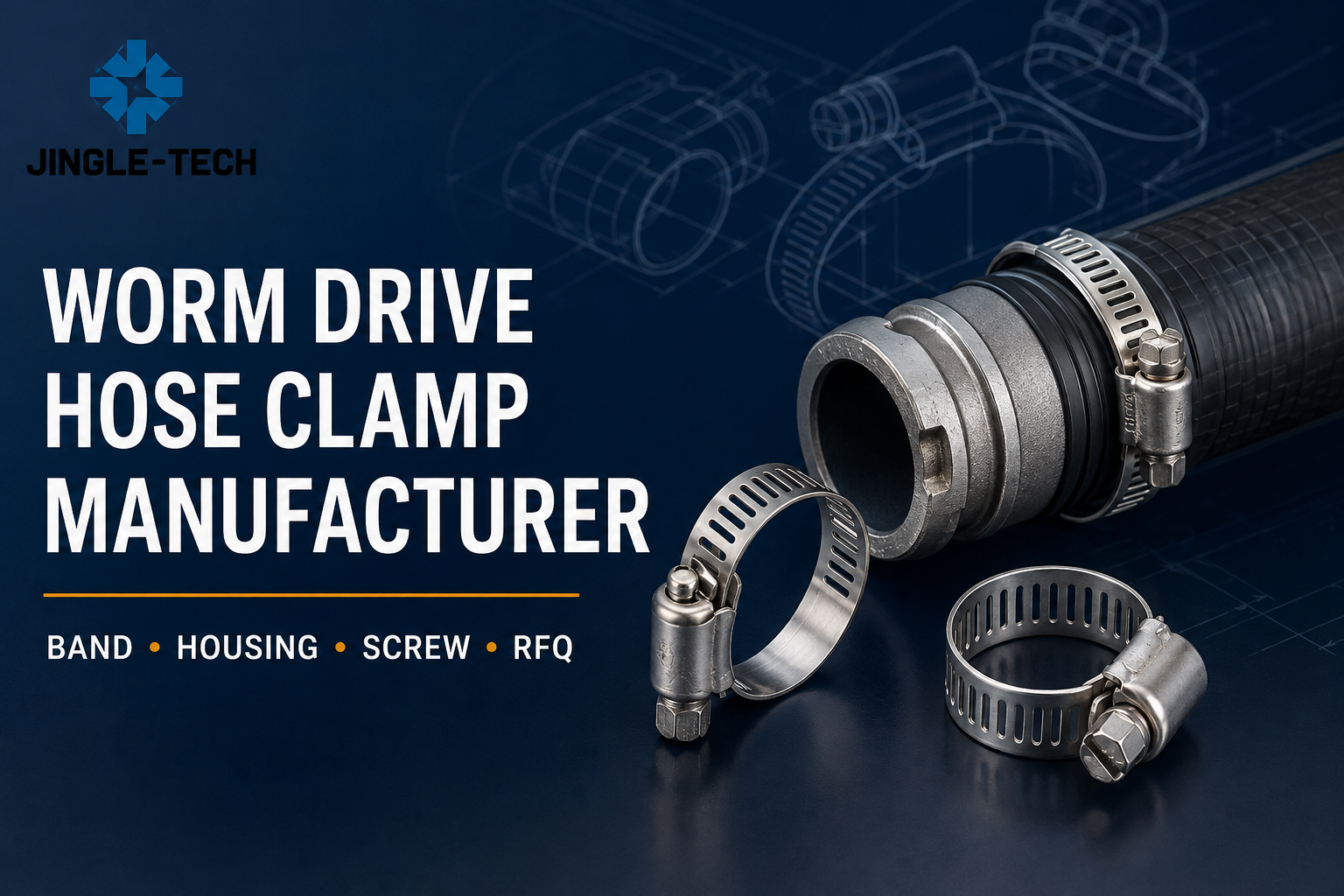
- Screw/Band Clamps: Ideal for a range of diameters where adjustable tension is required. Their design allows for easy tightening with a screwdriver.
- Spring Clamps: These clamps feature a flexible design that maintains constant pressure under fluctuating conditions, making them ideal for automotive and industrial settings.
- Wire Clamps: Consisting of heavy-duty wires shaped into a clamping tool, these are suitable for low-pressure applications.
- Ear Clamps: These one-piece clamps use a pinching method to create a secure fit and are commonly utilized in pneumatic and fluid-based applications.
Applications of Hose and Clamps
The application of hose and clamps spans across multiple industries. In the automotive field, they are vital for securing radiator hoses, brake lines, and fuel systems. In agriculture, they connect irrigation hoses and pump systems. Industrial applications use these tools to manage high-pressure lines or chemical transfer systems.
Even in everyday household tasks, hose and clamps are useful for plumbing installations, garden irrigation systems, and repairing appliances. Their ubiquity and flexibility make them an integral part of modern mechanical systems.
Maintenance Tips for Hose and Clamps
To ensure the longevity and performance of your hoses and clamps, regular maintenance is essential. Inspect both the hose and clamp periodically for signs of wear, rust, or degradation. Tighten clamps as needed to prevent leaks and ensure secure connections. If any components show signs of stretching or cracking, replace them promptly to avoid compromising the system's functionality.
Proper storage also contributes to the durability of these components. Keep them in a dry location to prevent corrosion, especially when handling metal clamps.
Conclusion
Hose and clamps are practical tools that offer a simple yet effective solution to secure and manage fluid and gas systems. Their versatility and ease of use make them indispensable in various settings. Whether you're working on a DIY home improvement project or outfitting an industrial operation, hoses and clamps provide the reliability you need to complete the task efficiently and effectively.