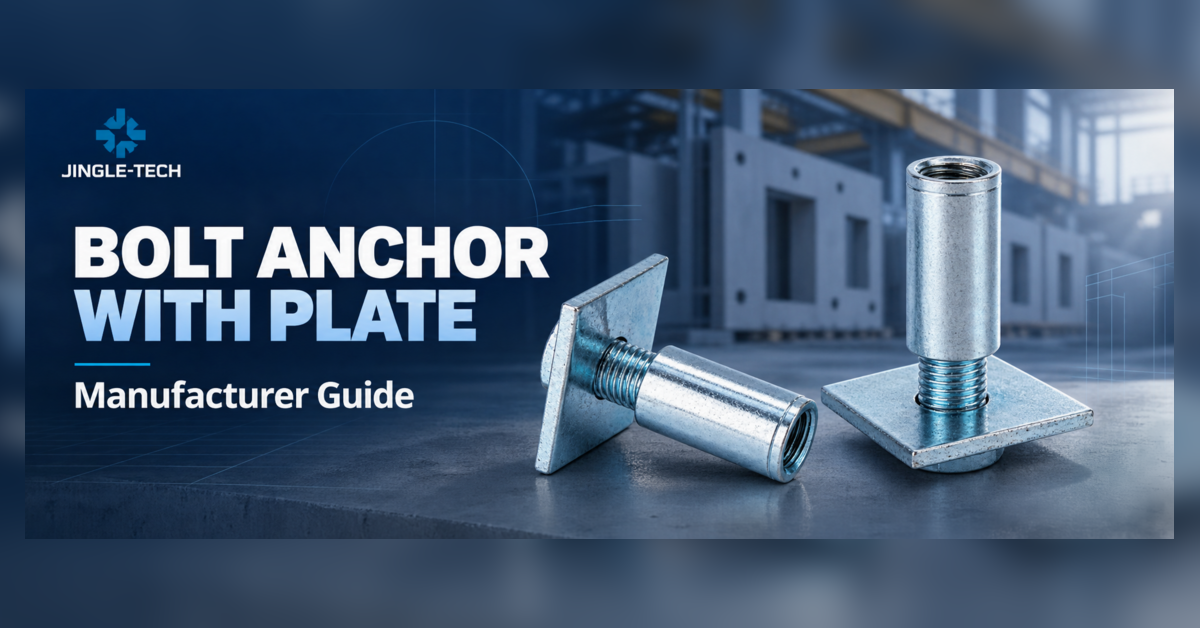
In the demanding world of construction and precast concrete manufacturing, the ability to safely and efficiently lift heavy elements is paramount. At the heart of this critical operation lies the lifting anchor, a device embedded within concrete structures, and its indispensable partner, the lifting clutch, which ensures a secure connection for hoisting. This review will delve into the essential features and considerations when evaluating lifting anchor and clutch systems, helping you make informed decisions for your projects.
Understanding Lifting Anchors
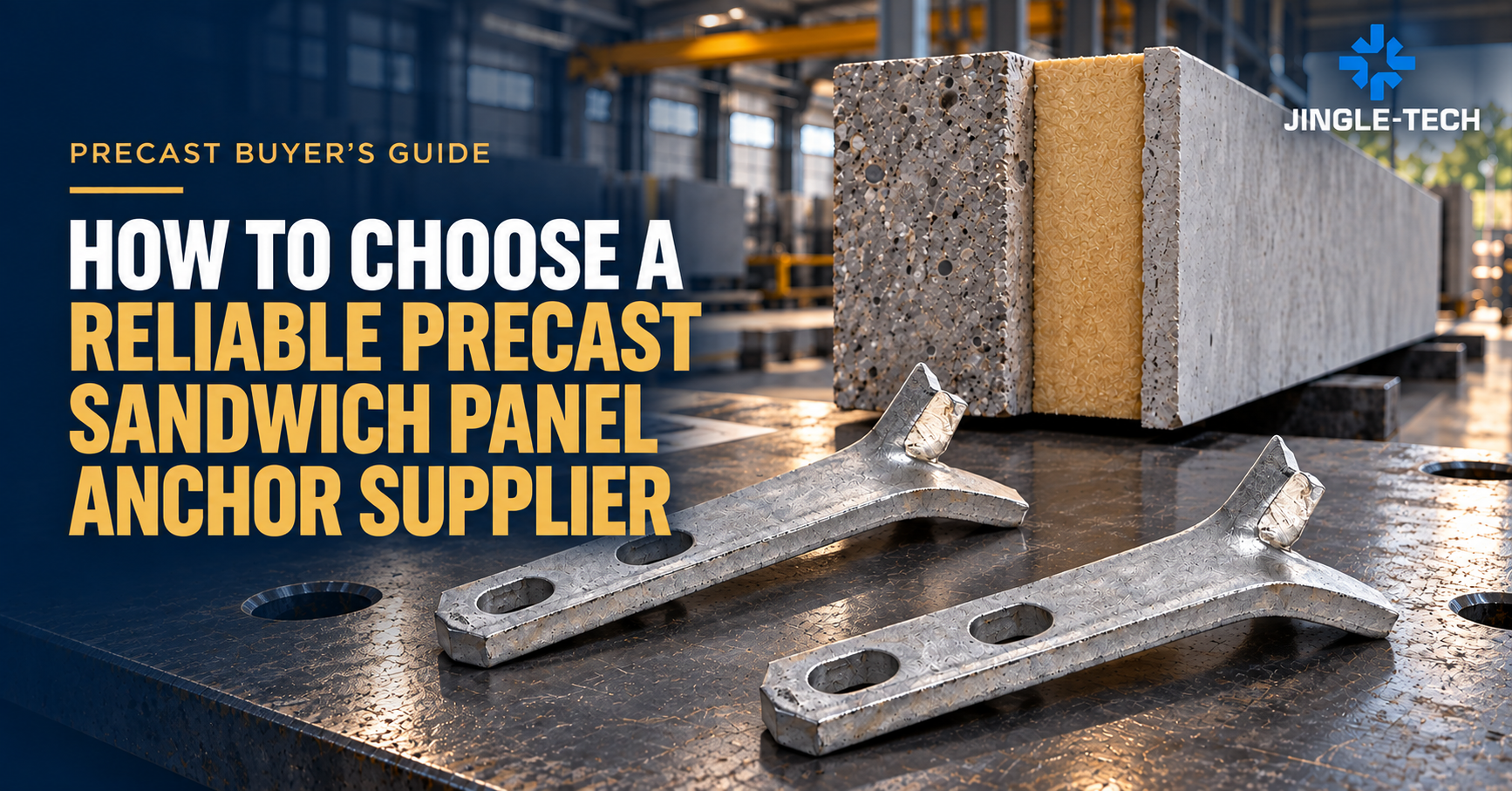
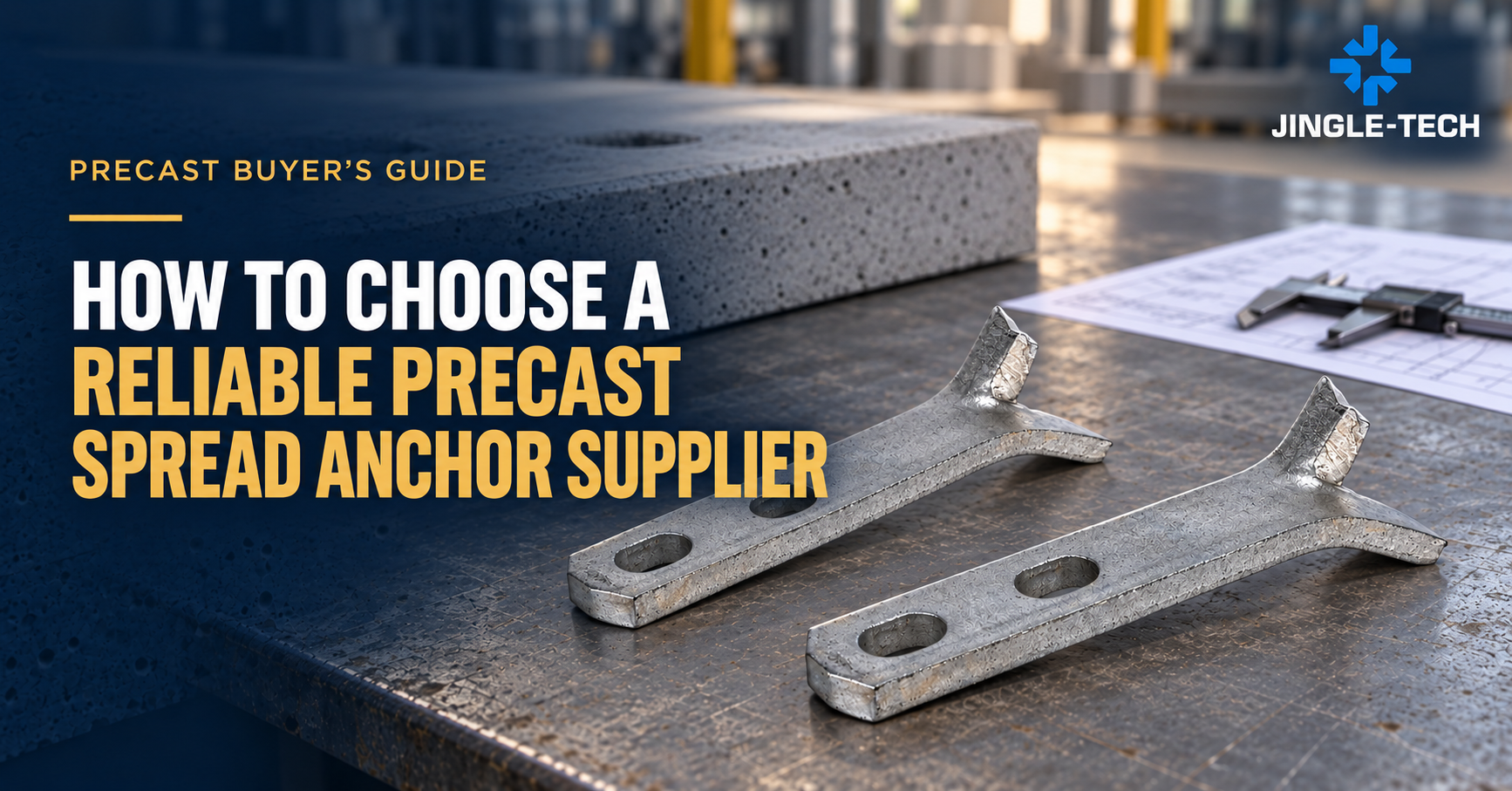
A lifting anchor is more than just a piece of steel; it's a carefully engineered component designed to provide a reliable lifting point for concrete elements. These anchors are typically installed prior to concrete pouring and become an integral part of the structure. When reviewing potential lifting anchor options, it's crucial to consider the material composition – high-strength, forged steel is often preferred for its durability and load-bearing capacity. Furthermore, the design of the anchor head plays a significant role in how forces are distributed into the concrete, preventing localized stress and potential failure. Different types of anchors, such as spherical head anchors, footed anchors, or spread anchors, offer varied solutions for diverse applications, from thin slabs to massive beams. A thorough evaluation involves understanding the specific load requirements and environmental conditions the anchor will face, ensuring it can perform optimally throughout its service life.
The Crucial Role of the Lifting Clutch
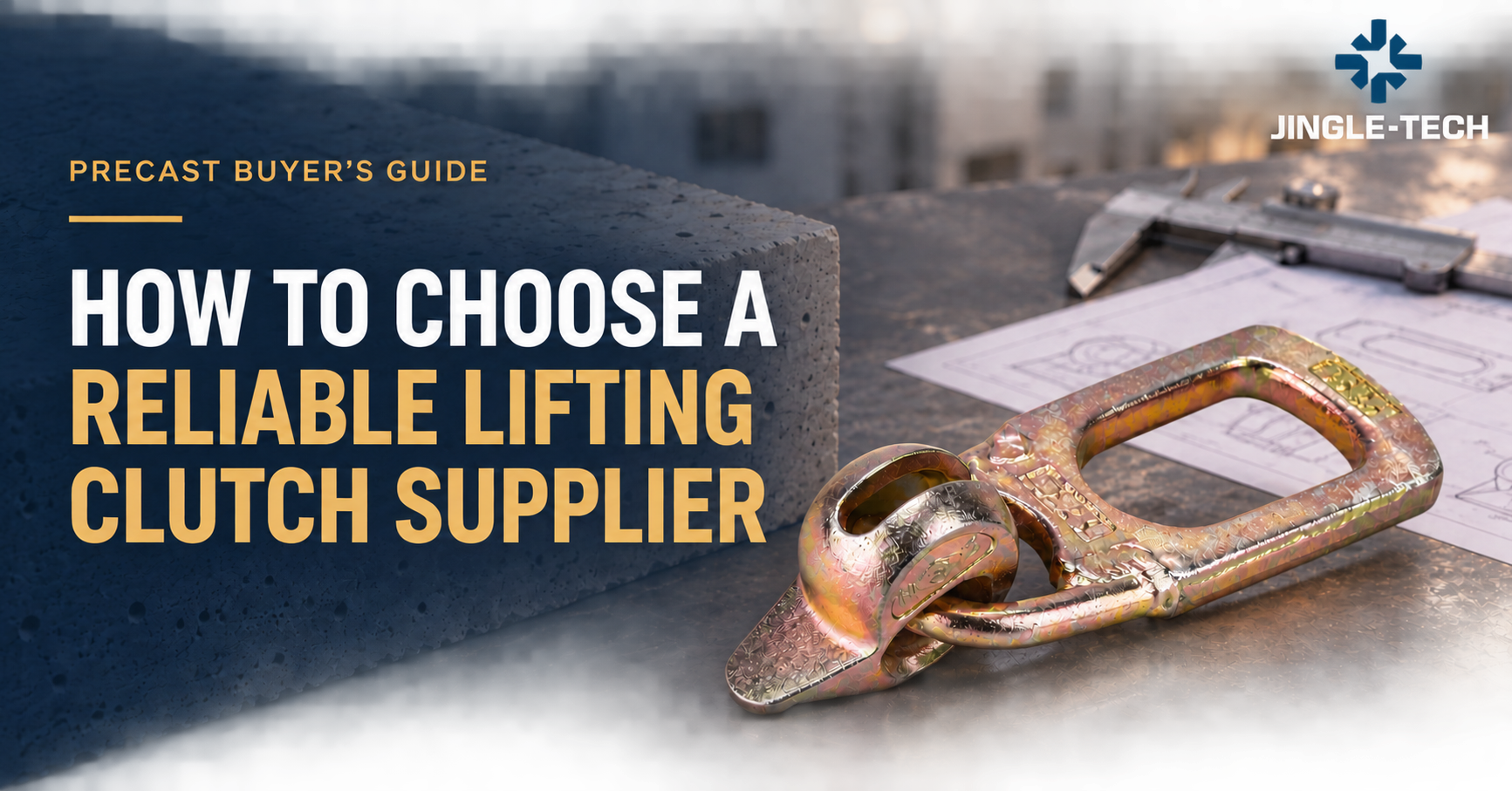
The lifting clutch is the mechanical interface that connects the lifting equipment to the embedded lifting anchor. Its design is critical for both safety and operational efficiency. A high-quality lifting clutch should offer a secure locking mechanism that engages positively with the anchor head, preventing accidental disengagement while under load. When evaluating a lifting clutch, ease of use is a significant factor; ideally, it should be operable with one hand, allowing workers to quickly and safely attach or detach it. Many modern clutches incorporate visible indicators to confirm proper engagement. Furthermore, the materials used in the clutch must be robust enough to withstand repeated use and the high stresses involved in lifting operations. Regular inspection protocols for wear and tear are essential for any lifting clutch to maintain safety standards on site.
Choosing the Right System: A Review of Key Features
Selecting the optimal lifting anchor and lifting clutch system requires a careful review of several key characteristics. Firstly, load capacity is paramount. The system must be rated appropriately for the weight of the concrete elements being handled, with a suitable safety factor built in. Always verify that the manufacturer provides clear load tables and technical specifications. Secondly, material quality and durability directly impact the longevity and reliability of both the lifting anchor and clutch. Look for systems made from high-grade, corrosion-resistant materials, especially if they will be exposed to harsh environments. Compliance with industry standards and certifications, such as CE marking or adherence to ASME B30.20 guidelines, is a non-negotiable aspect of evaluation. A system that meets these standards has undergone rigorous testing and provides an assurance of quality and safety. Ease of operation, as mentioned, influences productivity, but also safety – a system that is difficult to use may lead to errors or shortcuts. Finally, consider the versatility and compatibility of the components. Some clutches are designed to work with a range of anchor sizes, which can be beneficial for varied project needs.
Installation, Inspection, and Maintenance: Essential Practices
Even the best-designed lifting anchor and clutch system can fail if not properly installed, inspected, and maintained. The correct installation of the lifting anchor into the concrete formwork, ensuring proper embedment depth and positioning, is fundamental. Manufacturers typically provide detailed installation guidelines that must be strictly followed. Once installed, and throughout the system's use, regular inspection is crucial. For the lifting clutch, this means checking for any signs of wear, deformation, cracks, or issues with the locking mechanism before each shift or series of lifts. Reusable anchors should also be inspected for any damage after each use. A proactive maintenance schedule for the clutch, including cleaning and lubrication as recommended by the manufacturer, will extend its operational life and ensure it continues to function safely and effectively. Neglecting these practices can compromise the integrity of the entire lifting operation.
Conclusion: Investing in Safety and Efficiency
Ultimately, investing in a high-quality lifting anchor and lifting clutch system is an investment in safety, efficiency, and peace of mind. When reviewing your options, prioritize systems that demonstrate robust engineering, superior material quality, adherence to stringent safety standards, and user-friendly design. While cost is always a factor, the potential consequences of system failure far outweigh any initial savings from choosing a substandard product. A reliable lifting anchor and its corresponding lifting clutch form the backbone of safe material handling in precast and construction, ensuring that heavy elements are moved securely and projects proceed without incident. Careful evaluation and selection are key to achieving these outcomes.