Precast Concrete Accessories Guide: What Buyers Need to Know Before Specifying Hardware

If you are putting together a precast concrete accessories guide for a project team, you are usually trying to answer a practical question: which small components actually make the panel, beam, or wall perform the way it should once it leaves the plant? That matters because precast is unforgiving. The concrete element may be engineered carefully, but a weak lifting point, poor connection choice, or mismatched embed can create delays on site and headaches for everyone downstream.
This is where the accessory conversation becomes more than a box-ticking exercise. Accessories influence casting efficiency, transport safety, erection speed, and long-term structural behavior. They are often small compared with the panel itself, but they are not minor in effect. A sourcing manager may be comparing suppliers, while an engineer is trying to make sure load paths, tolerances, and installation methods actually line up. Both are dealing with the same issue: the accessory must fit the production method and the jobsite reality, not just the drawing.
What counts as a precast concrete accessory?
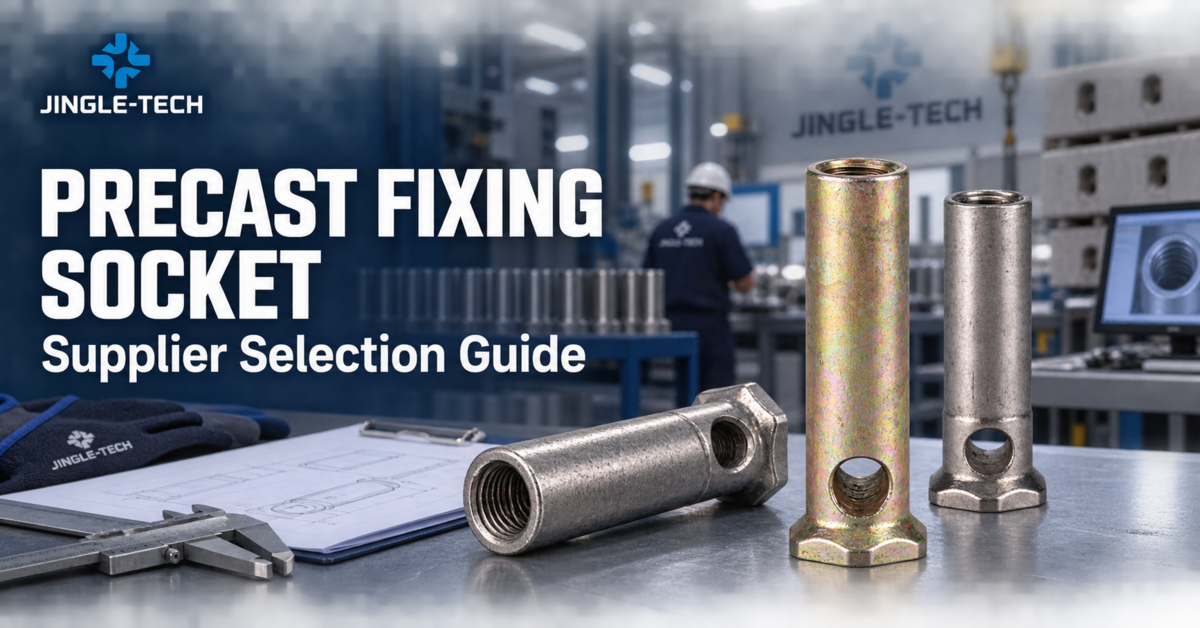
In everyday plant and project use, the term covers the hardware and cast-in items that help a precast element be handled, connected, aligned, or finished. That may include lifting anchors, inserts, threaded sockets, connection plates, ferrules, edge forms, and other embedded components used during casting and erection. Some accessories are visible after installation; others disappear into the concrete but remain critical to performance.
The exact list changes by application. A wall panel project may prioritize lifting and bracing hardware. A structural beam job may focus more on connection points and reinforcement coordination. Architectural precast can add finishing-related components, where appearance and edge protection matter just as much as strength.
The main decisions buyers have to make
The best choice is rarely the cheapest line item. Buyers usually need to balance five factors at once: load demand, compatibility with the precast mix and reinforcement layout, installation method, site conditions, and the supplier’s documentation. If one of those is ignored, the risk tends to show up later in casting rework or field change orders.
1. Load and function
Ask what the accessory must actually do. Is it temporary lifting support? A permanent structural connection? A positioning aid? Accessories designed for temporary handling should not be treated casually as if they were permanent load-carrying elements.
2. Production fit
A good accessory is one the plant can place reliably and repeatably. If it slows down the mold setup or conflicts with rebar congestion, the part may look acceptable on paper but become a nuisance in production. That is often where projects lose time.
3. Site installation
The crew on site should be able to access and use the hardware without improvisation. If alignment is tight, if grout access is poor, or if the connection requires special tools that never make it to the jobsite, the risk multiplies quickly.
4. Durability and exposure
A connection inside a dry interior building has a different service environment than one in exposed infrastructure or marine-related work. Buyers should think about corrosion exposure, moisture, and whether the accessory will remain visible or sealed inside the concrete.
Common types of accessories and where they are used
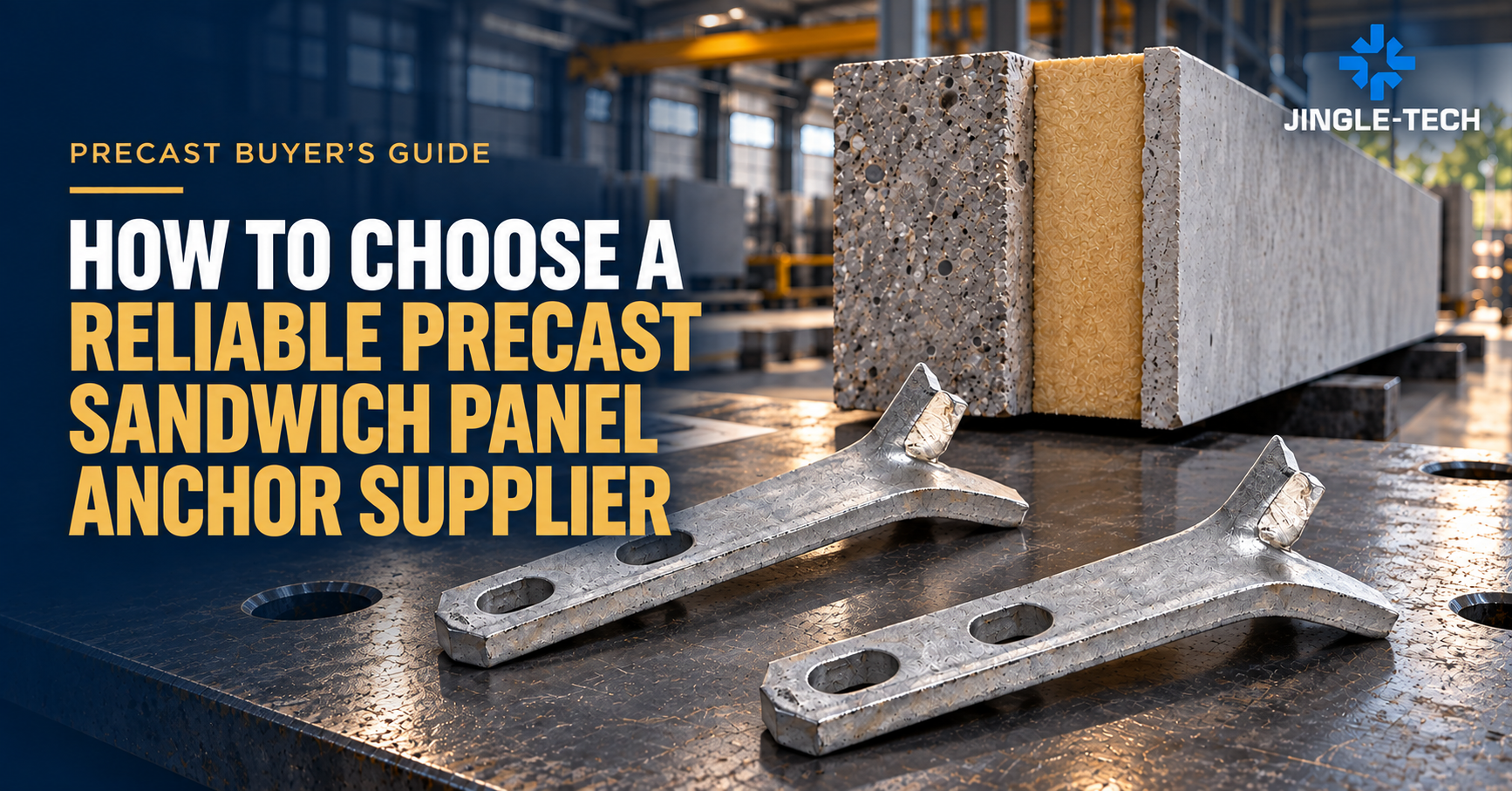
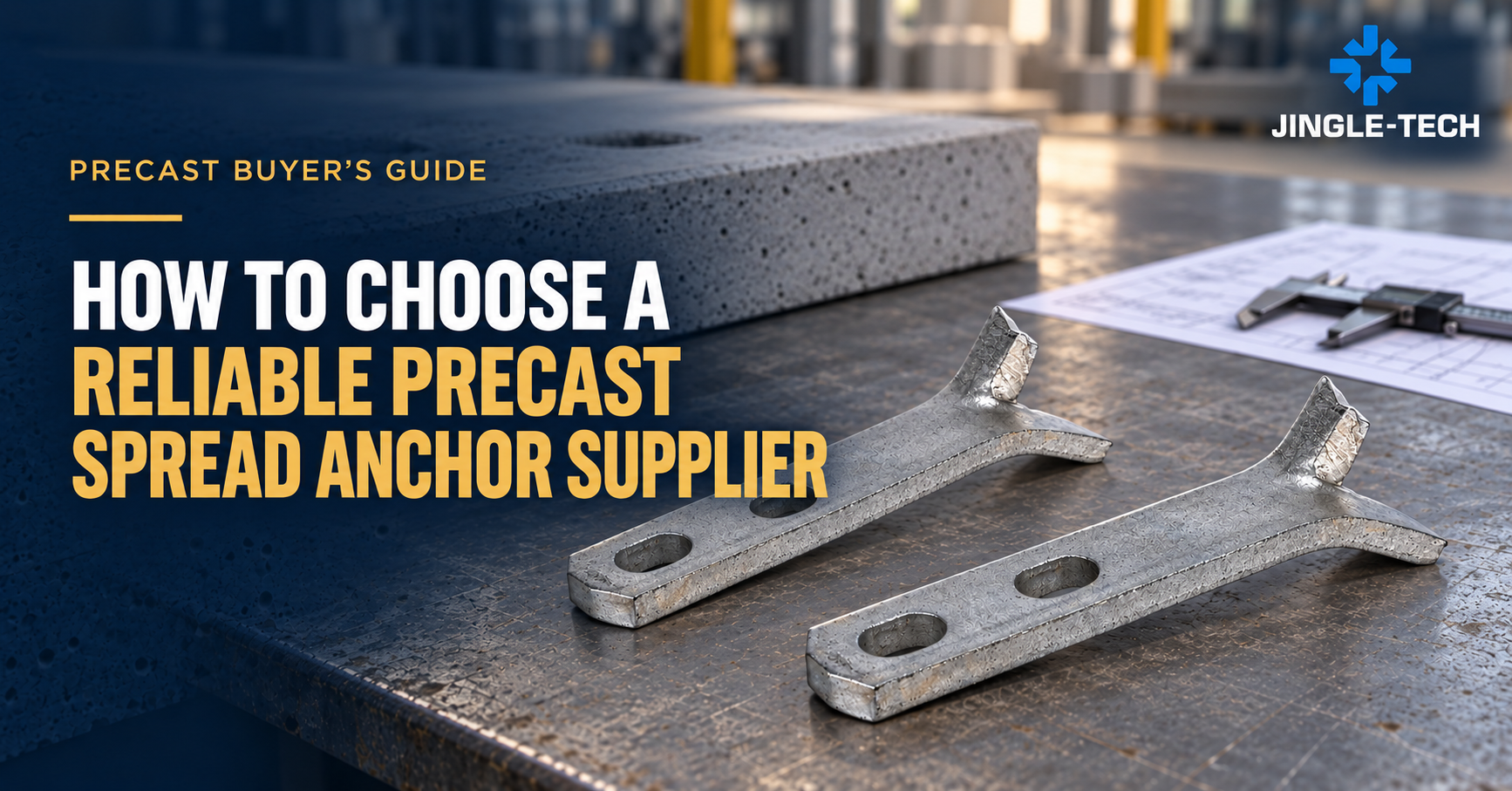
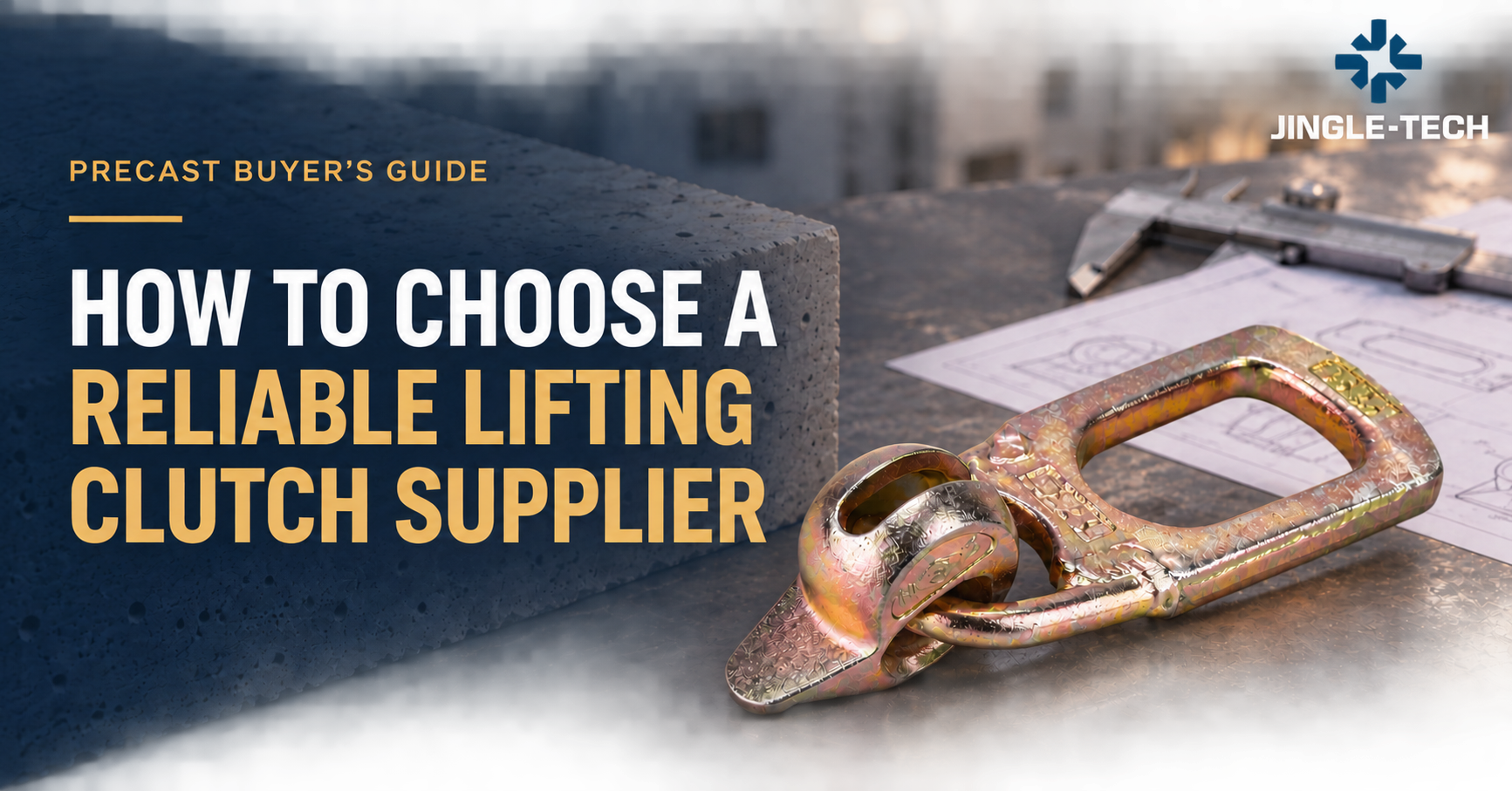
Lifting accessories are the most familiar starting point. They support handling from plant to truck to site. Inserts and sockets are another common category, often used where bolts, braces, or later mechanical connections are required. Plates and anchors support structural connections, while small cast-in items can also help with alignment or finishing details.
For engineers, the key point is that these components are not interchangeable. A lifting insert, for example, is chosen for a specific use case and load condition. Swapping in a different type because it is “close enough” is a shortcut that usually costs more later.
Practical mistakes that keep showing up
One recurring mistake is treating accessory selection as a late-stage procurement task. By the time the part is needed, the reinforcement cage, mold geometry, and erection plan may already be fixed. At that point, the team is forced into compromise.
Another mistake is underestimating documentation. Even when a supplier provides the right physical part, missing install guidance or unclear marking can create confusion in the plant. That sounds small until the line is moving and operators are asking for clarification.
A third issue is assuming all precast work has the same requirements. A residential wall panel, a bridge component, and an architectural façade element can demand very different accessory choices. The accessory spec should follow the application, not the habit of the last project.
How to compare suppliers without getting lost in paperwork
When reviewing suppliers, focus on consistency, clarity, and product fit. Do they describe the intended use plainly? Is the part easy to match to drawings and production records? Can the plant team identify it quickly? These are simple questions, but they save time.
It also helps to ask for installation guidance early, not after the first batch arrives. If the supplier can explain how the accessory is meant to be cast in, handled, and checked on site, that is often more useful than a thick stack of generic literature.
Quick buyer checklist
Before release, confirm the accessory matches the element type, load condition, reinforcement layout, exposure environment, and erection method. If any one of those is still unclear, pause and resolve it. That delay is usually cheaper than a field correction.
FAQ: What people still ask
Are all precast accessories standardized?
Not fully. There are common categories and familiar formats, but project requirements still drive the final selection.
Should engineering or procurement lead the choice?
Neither should work alone. Engineering defines the need; procurement helps ensure the chosen item is available, documented, and consistent with plant workflow.
What is the biggest risk with low-cost accessories?
Usually not the purchase price itself, but the cost of rework, delay, or uncertain installation.
Next step for project teams
Use this precast concrete accessories guide as an early coordination tool, not a last-minute purchasing aid. Bring engineering, plant operations, and sourcing into the same review before casting starts. That is the easiest way to avoid mismatches that are expensive to fix once concrete has cured and the schedule is already moving.