Holding Structures Together: The Engineering Precision Behind Modern Construction Fasteners
The Role of Fasteners in Structural Longevity
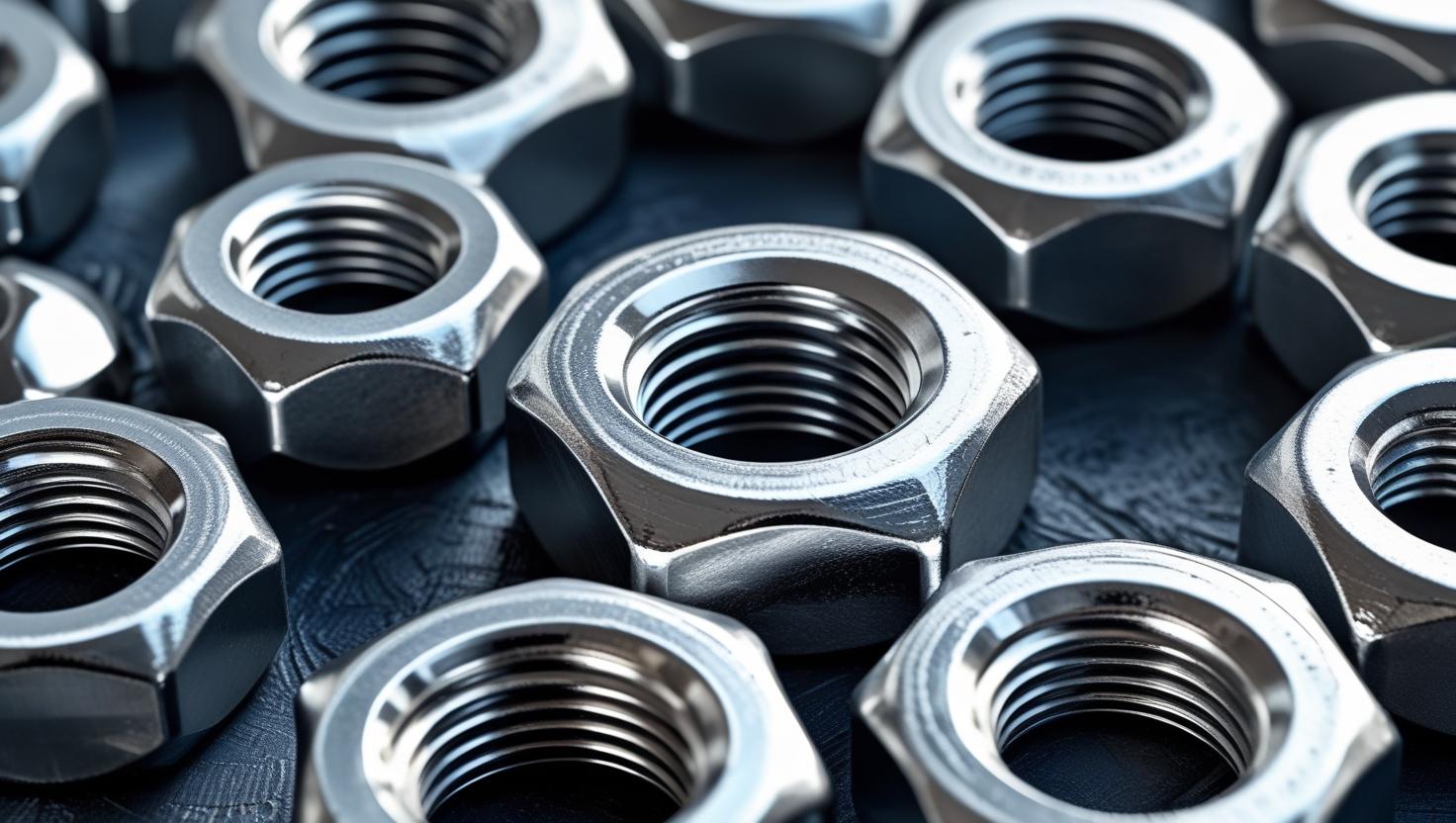
Every structure—whether a high-rise tower, bridge deck, or prefabricated module—relies on a network of fasteners that remain unseen yet indispensable. They absorb vibration, transfer load, and maintain alignment, often under extreme temperature and weather fluctuations.
While these components appear simple, their failure can compromise entire frameworks. Modern engineering now demands fasteners that not only connect but also endure, integrating tensile accuracy, anti-corrosion resistance, and predictable mechanical behavior.
Material Science Meets Structural Design
Today’s construction fasteners are products of precision metallurgy and controlled production. At Jingle, development begins with data-driven material selection, ensuring every batch aligns with international standards for yield strength and fatigue performance.
Key processes that define quality include:
-
Alloy engineering – Balancing strength, ductility, and machinability for long-term reliability.
-
Thermal conditioning – Heat treatment enhances grain structure and tensile uniformity.
-
Surface defense systems – Galvanic or epoxy coatings form molecular-level barriers against oxidation.
-
Load calibration – Real-time torque sensors validate fastener performance before dispatch.
This integration of materials and mechanics allows Jingle fasteners to retain up to 98% preload stability after repeated stress cycles—an essential metric for high-load applications.
Precision Over Scale: Why OEM Manufacturing Defines Quality
Generic hardware can meet specifications on paper but fail in performance consistency. OEM fastener production focuses on repeatable precision, ensuring every bolt or anchor performs identically under identical conditions.
| Parameter | Generic Hardware | Jingle OEM Construction Fasteners |
|---|---|---|
| Dimensional Tolerance | ±0.3 mm | ±0.05 mm (CNC calibrated) |
| Coating Thickness Variance | Up to 25% | ≤5% with robotic application |
| Batch Verification | Manual sample check | Automated digital inspection |
| Load Testing | Randomized | 100% torque & tensile validation |
OEM production doesn’t just create fasteners—it builds trust into every connection point.
Performance Across Environments: Where Precision Becomes Protection
Construction conditions vary dramatically—from coastal humidity to desert heat. Each demands fasteners that adapt without failure.
-
Urban high-rises require vibration-resistant assemblies for wind and seismic loads.
-
Marine infrastructure depends on stainless alloys and duplex coatings for saltwater endurance.
-
Prefabricated buildings need modular fasteners with quick alignment and high shear resistance.
-
Renewable energy systems use epoxy-coated hardware that withstands years of UV and moisture exposure.
-
Bridge and heavy equipment foundations rely on deep-thread anchors capable of sustaining compression and lateral load simultaneously.
Jingle engineers each fastener for its exact environmental challenge—because durability is never “one type fits all.”
Selection Framework: Matching Fastener Design to Construction Demand
Choosing the correct fastener type directly affects safety and service life. Below is a simplified engineering reference:
| Application Scenario | Recommended Material | Coating System | Mechanical Focus |
|---|---|---|---|
| Steel Structures & Frames | Alloy 10.9 / 12.9 | Zinc-nickel | High shear strength |
| Concrete Foundations | Carbon / Alloy steel | Hot-dip galvanized | Expansion & pull-out resistance |
| Coastal Projects | Stainless 316 / Duplex | Epoxy hybrid | Corrosion protection |
| Prefabricated Modules | Carbon steel | Phosphate | Alignment & torque efficiency |
| Energy Installations | Hardened steel / Titanium | Powder coat | Fatigue and weather endurance |
Engineering advice:
-
Match fastener grade to tensile stress zones, not just static load.
-
Require suppliers to provide CofC (Certificate of Conformance) and MTC (Material Test Certificates).
-
For structural designs exceeding 20 years’ service life, insist on ISO 898 and EN 15048 compliance.
Sustainable Strength: How Jingle Redefines Structural Reliability
As global construction moves toward durability, traceability, and carbon efficiency, fasteners evolve from basic hardware into strategic engineering assets.
At Jingle, every construction fastener is produced through a closed-loop quality system—from CAD design to robotic finishing—ensuring measurable performance, corrosion resistance, and consistent load behavior.
We help builders and engineers achieve lasting results with fastening systems that support sustainability and safety across generations.
Learn more about Jingle’s OEM fasteners for structural applications on our homepage or reach our engineering team through the contact page to discuss tailored solutions for your next project.