Introduction to CNC Machining Cost Reduction
CNC Machining Cost Reduction Guide is essential for manufacturers looking to optimize their production processes without compromising on quality. CNC machining, a subtractive manufacturing technique that uses computer numerical control to shape materials like metal and plastic, can be expensive due to factors such as material waste, machine runtime, and labor. This guide explores practical strategies to lower these costs, helping businesses improve profitability and efficiency. By implementing targeted approaches, companies can reduce expenses by up to 30% or more, depending on their operations.
Understanding the Key Cost Drivers in CNC Machining
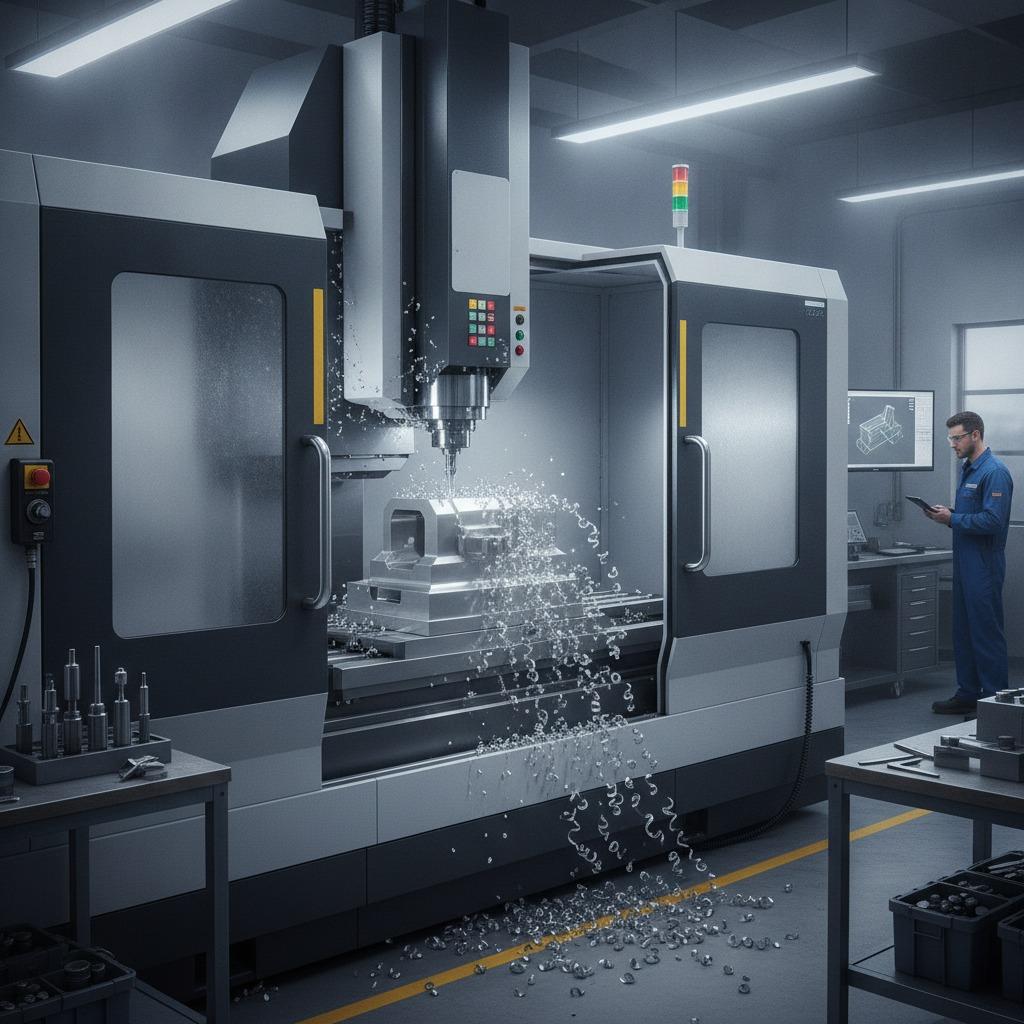
To effectively pursue CNC Machining Cost Reduction, it's crucial to first identify the primary cost components. Material costs often account for the largest portion, especially when there's significant waste from inefficient designs or excessive tolerances. Machine operation, including electricity, tooling wear, and maintenance, adds up quickly during long setups or production runs. Labor expenses, from programming to oversight, can also inflate bills if processes aren't streamlined. Additionally, overhead like facility costs and supply chain logistics contribute to the total. By analyzing these elements through detailed audits or software simulations, businesses can pinpoint inefficiencies and set realistic reduction targets.
Design Optimization for Lower Costs
One of the most impactful ways to achieve CNC Machining Cost Reduction is through smart design practices. Start by simplifying geometries to minimize the number of tool changes and reduce machining time; for instance, avoiding unnecessary undercuts or deep cavities can cut cycle times significantly. Tolerances should be specified only where precision is vital—looser tolerances elsewhere allow for faster operations and less scrap. Incorporating design for manufacturability (DFM) principles early in the product development phase prevents costly revisions later. Using software like CAD with integrated simulation tools helps visualize potential issues, ensuring parts are designed with cost in mind from the outset.
Material and Tooling Strategies
Selecting the right materials is another cornerstone of any CNC Machining Cost Reduction Guide. Opt for readily available, cost-effective alloys or composites that meet performance needs without over-specifying, such as choosing aluminum over titanium unless high strength is required. Bulk purchasing and supplier negotiations can further drive down prices. On the tooling side, investing in high-quality, durable tools reduces replacement frequency and downtime. Standardizing tool sizes across projects minimizes inventory costs and setup times. Implementing predictive maintenance schedules using IoT sensors on machines can prevent unexpected breakdowns, extending equipment life and avoiding emergency repairs.
Process Improvements and Automation
Enhancing operational efficiency through process tweaks and automation is vital for sustained CNC Machining Cost Reduction. Batch production of similar parts amortizes setup costs, while just-in-time manufacturing aligns output with demand to cut inventory holding expenses. Integrating CAM software for optimized toolpaths reduces unnecessary movements, shaving minutes off each job. Training staff on best practices and cross-skilling them boosts productivity and flexibility. For larger operations, adopting lights-out machining—running unattended overnight—leverages machines 24/7, maximizing ROI on capital investments. Regular performance metrics tracking ensures continuous improvement, adapting to new technologies like AI-driven optimization.
Outsourcing and Supply Chain Optimization
Sometimes, the best CNC Machining Cost Reduction comes from strategic outsourcing. Partnering with specialized service providers can access advanced equipment and expertise without the full ownership burden, ideal for fluctuating demands. Evaluate vendors based on total cost of ownership, including shipping and quality assurance, to avoid hidden fees. Building strong supplier relationships fosters volume discounts and faster lead times. Domestic versus offshore decisions should weigh tariffs, quality control, and delivery speed—offshoring might save on labor but could increase logistics costs. A diversified supply chain mitigates risks from disruptions, ensuring steady cost management.
Long-Term Savings Through Sustainability
Incorporating sustainable practices into your CNC Machining Cost Reduction Guide yields both environmental and financial benefits. Recycling metal scraps from machining reduces raw material purchases, while energy-efficient machines lower utility bills. Adopting coolant systems that minimize waste or using dry machining where possible cuts disposal costs. Certifications like ISO 14001 can open doors to green incentives or premium markets. Over time, these initiatives not only trim expenses but also enhance brand reputation, attracting cost-conscious clients who value eco-friendly operations.
By following this CNC Machining Cost Reduction Guide, manufacturers can transform high-cost challenges into opportunities for growth and competitiveness. Consistent application of these strategies, combined with ongoing evaluation, ensures lasting savings and operational excellence.