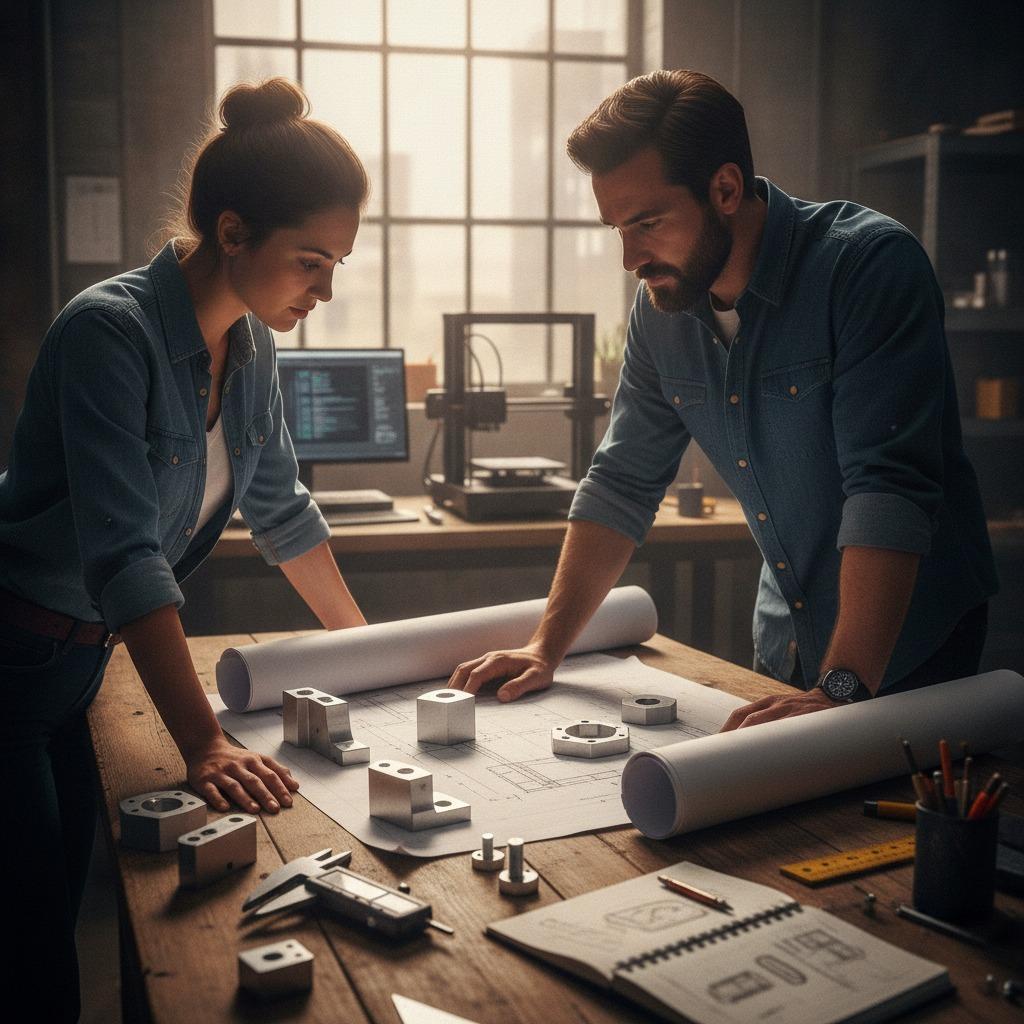
Understanding CNC Machining Parts: Precision in Modern Manufacturing
CNC machining part refers to components produced using Computer Numerical Control technology, a cornerstone of precision engineering. This process involves automated machinery guided by computer programs to shape materials like metals, plastics, and composites into intricate designs. In industries ranging from aerospace to automotive, a high-quality CNC machining part ensures functionality and reliability. The beauty of this method lies in its ability to replicate complex geometries with minimal human error, making it indispensable for prototyping and large-scale production.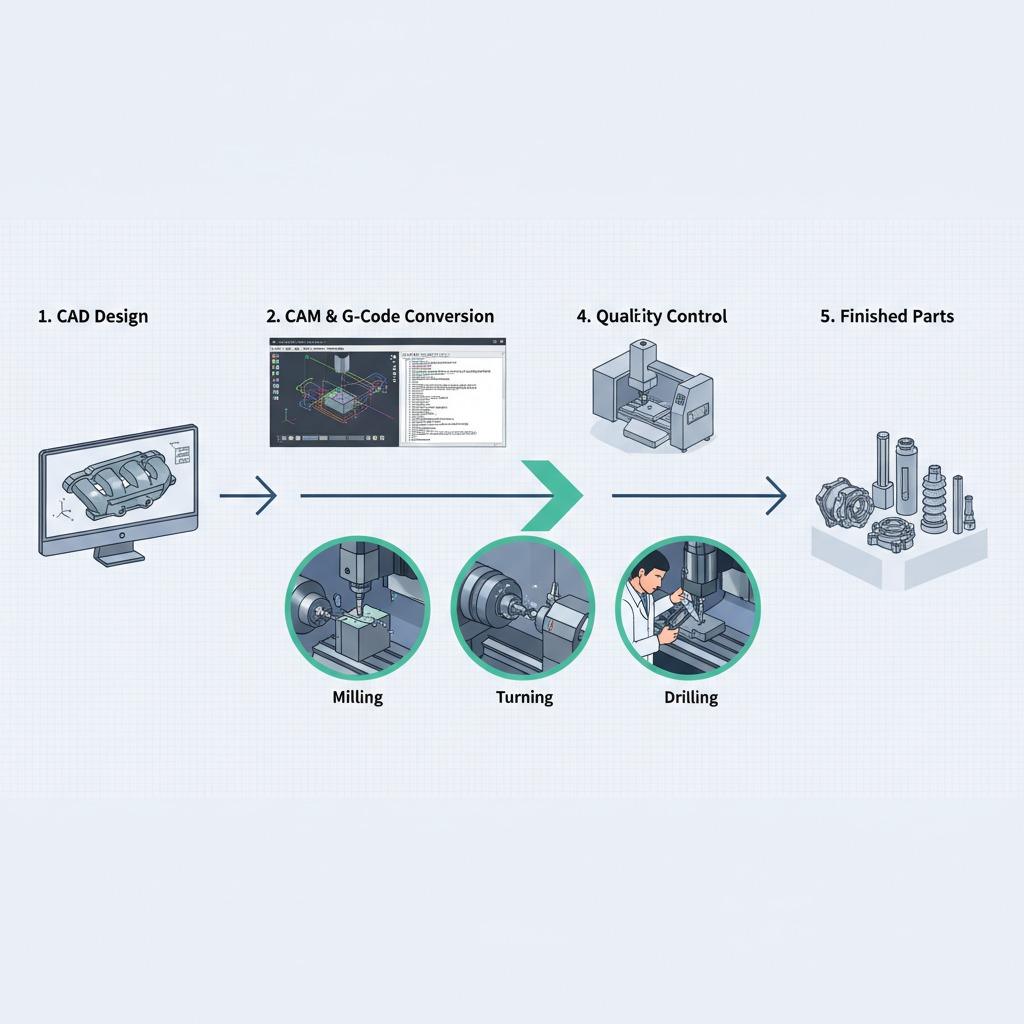
The Intricacies of Creating a CNC Machining Part
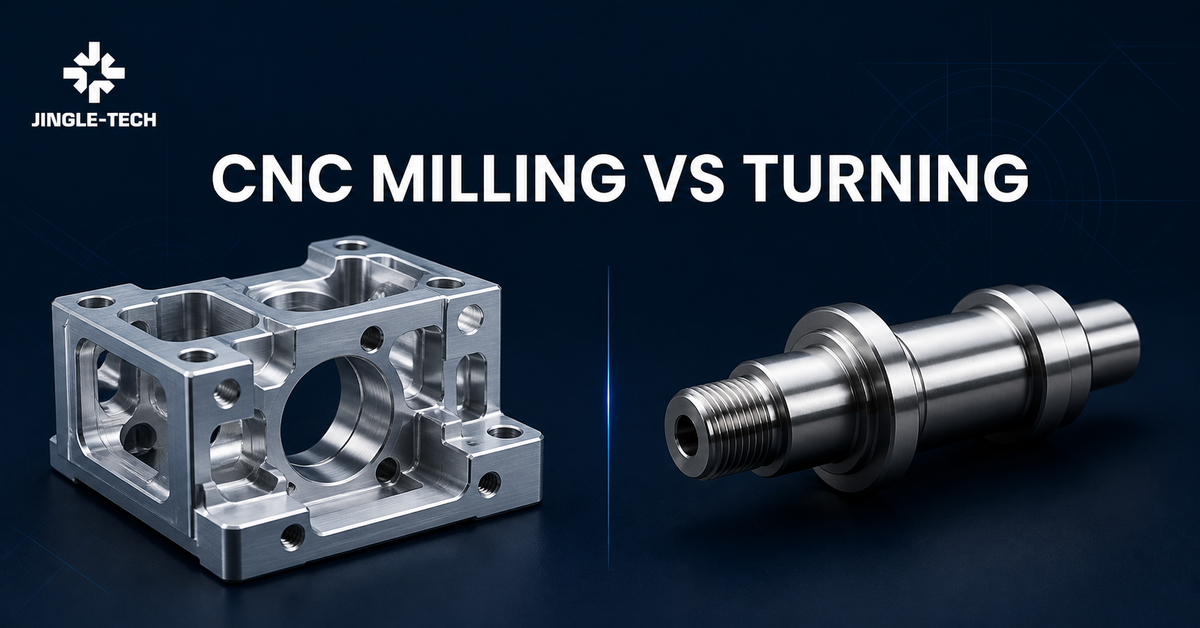
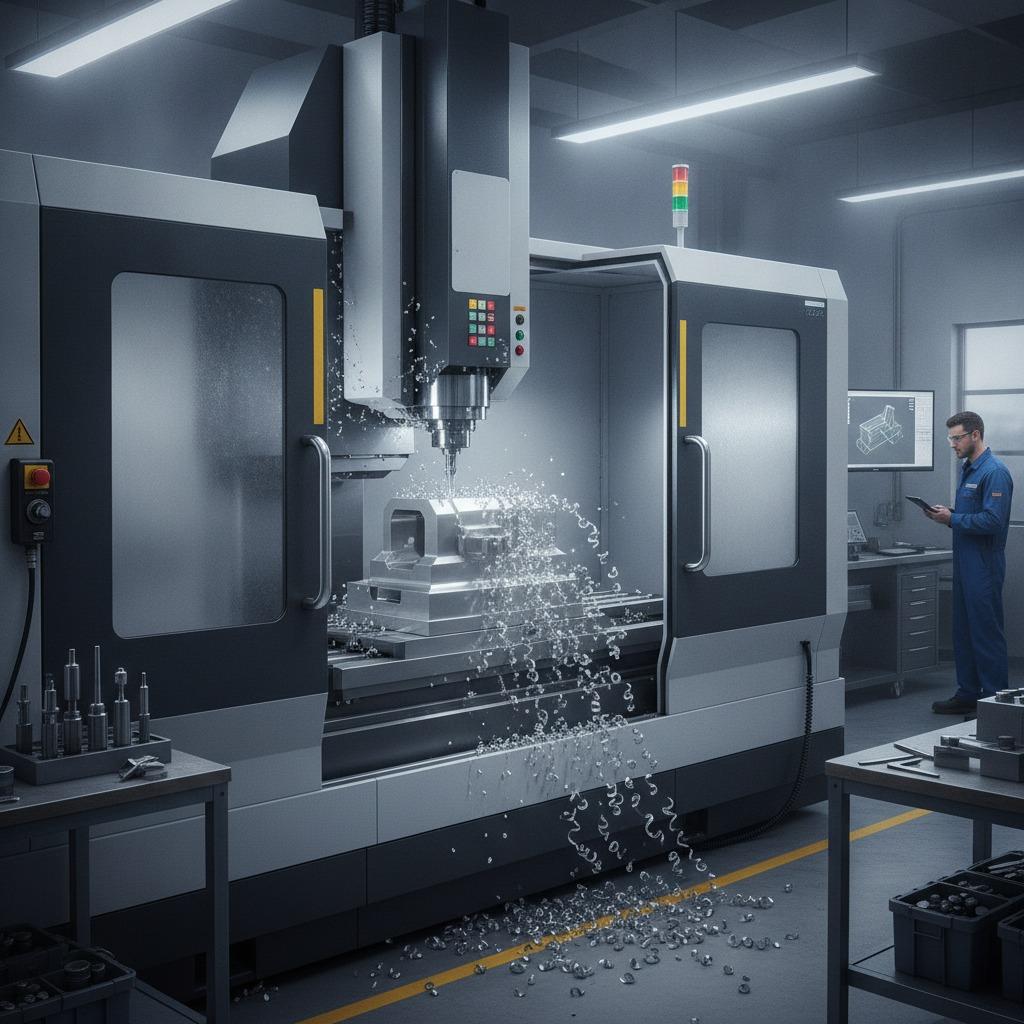
The journey to fabricate a CNC machining part begins with detailed design using CAD software, where engineers specify dimensions and tolerances. Once the digital model is ready, it's converted into G-code instructions for the CNC machine. Milling, turning, and drilling operations follow, with tools precisely removing material from a workpiece. For instance, in producing a CNC machining part for medical devices, tolerances as tight as 0.001 inches are common to meet stringent safety standards. Quality control, including inspections with calipers and CMMs, ensures each part adheres to specifications, reducing waste and enhancing efficiency.
Advantages of Using CNC Machining Parts in Your Projects
Opting for CNC machining parts offers unparalleled accuracy and repeatability, far surpassing traditional manual methods. These parts exhibit superior surface finishes, often requiring no additional post-processing, which saves time and costs. Versatility is another key benefit; whether you're crafting lightweight aluminum components for drones or durable steel gears for machinery, CNC technology adapts seamlessly. Moreover, the scalability allows for small batch runs or high-volume orders without compromising quality. In today's competitive market, integrating CNC machining parts into your supply chain can accelerate innovation and improve product performance.
Applications and Future Trends in CNC Machining Parts
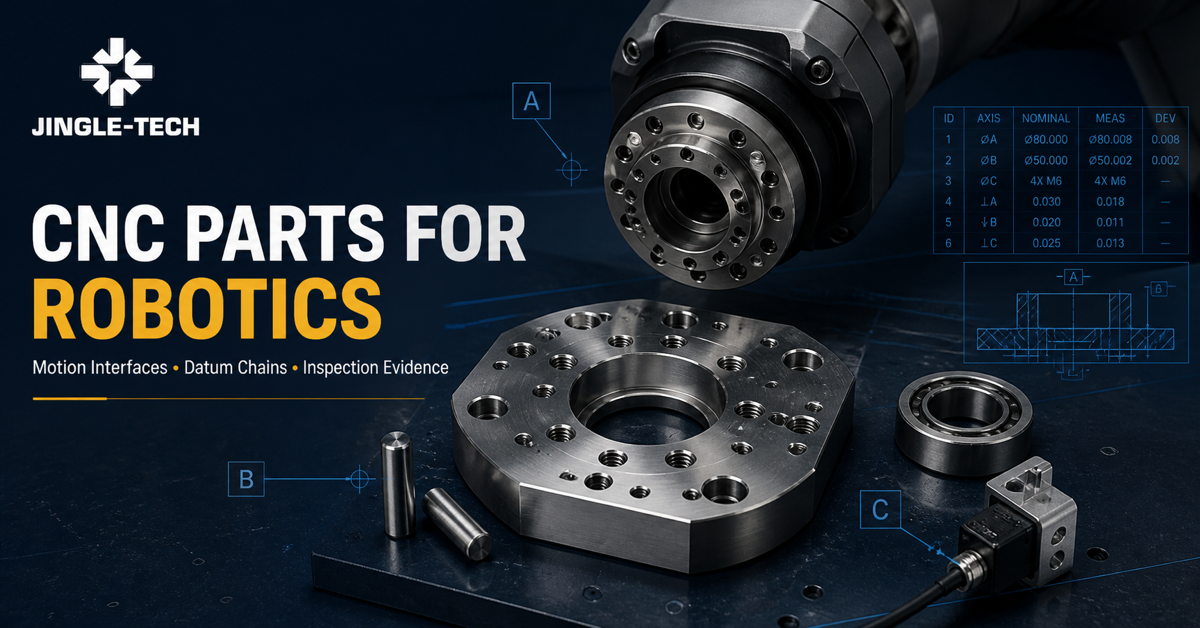
CNC machining parts find applications across diverse sectors. In the automotive industry, they form engine components and custom brackets, enhancing vehicle efficiency. Aerospace relies on them for turbine blades and structural elements that withstand extreme conditions. Even consumer electronics benefit from precise CNC machining parts in housings and connectors. Looking ahead, advancements like AI integration and multi-axis machines promise even greater precision and speed. As sustainability drives manufacturing, expect more eco-friendly practices, such as using recycled materials in CNC machining parts. Embracing this technology positions businesses at the forefront of industrial evolution, delivering parts that meet evolving demands.