CNC Machining Tolerance Explained: A Complete Guide
Introduction
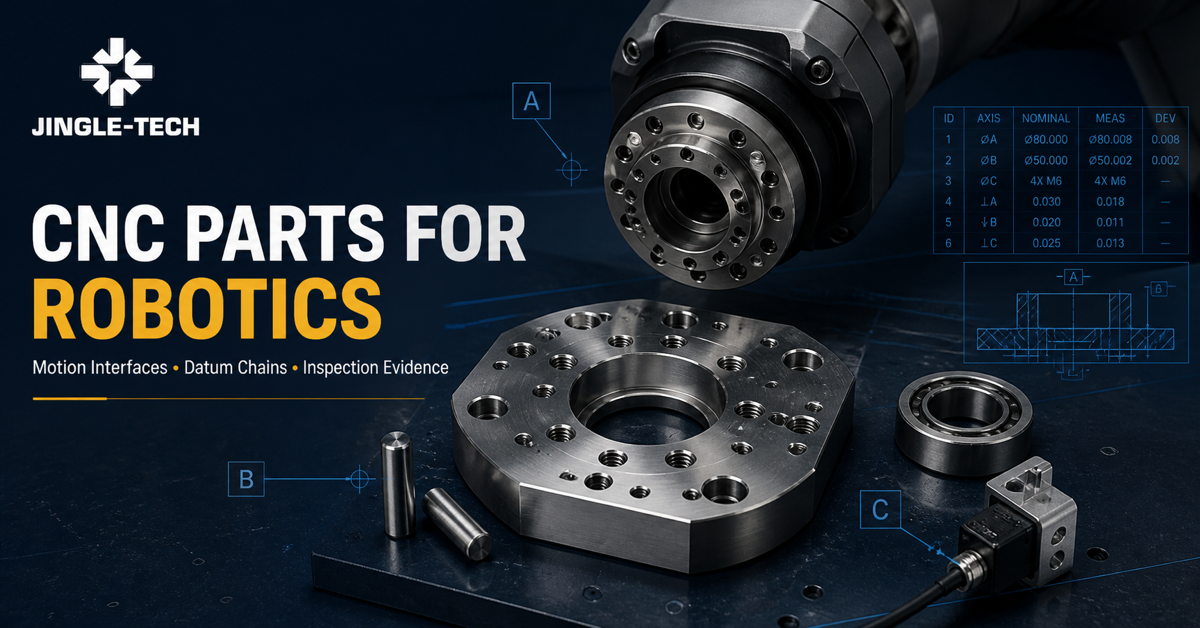
Tolerance is one of the most important factors in CNC machining. It determines how precise a part must be and directly impacts performance and cost.
What Is CNC Machining Tolerance?
Tolerance refers to the allowable variation in a part’s dimensions.
For example:
- ±0.01 mm = high precision
- ±0.1 mm = standard tolerance
Why Tolerance Matters
- Ensures proper fit
- Affects product performance
- Impacts manufacturing cost
Types of Tolerances
1. Dimensional Tolerance
Controls size variation
2. Geometric Tolerance
Controls shape and alignment
3. Surface Finish Tolerance
Controls roughness
Standard CNC Tolerances
Typical ranges:
- General: ±0.1 mm
- Precision: ±0.01 mm
- High precision: ±0.001 mm
Factors That Affect Tolerance
- Material type
- Machine capability
- Tool wear
- Design complexity
How to Choose the Right Tolerance
Tips:
- Avoid over-tight tolerances
- Match tolerance to function
- Balance cost vs precision
Common Mistakes
- Over-specifying precision
- Ignoring material behavior
- Poor design planning
FAQ
Q: Tighter tolerance means better quality?
A: Not always—only when necessary.
Q: Why are tight tolerances expensive?
A: They require more advanced machining and inspection.
Conclusion
Understanding CNC machining tolerance helps you optimize both performance and cost.
👉 Looking for high-precision CNC machining services? Contact us for customized solutions.