Future Trends in High-Strength Fasteners: Smart Coatings, Lightweight Alloys, and Digital Traceability
Why the Future of Fasteners Matters
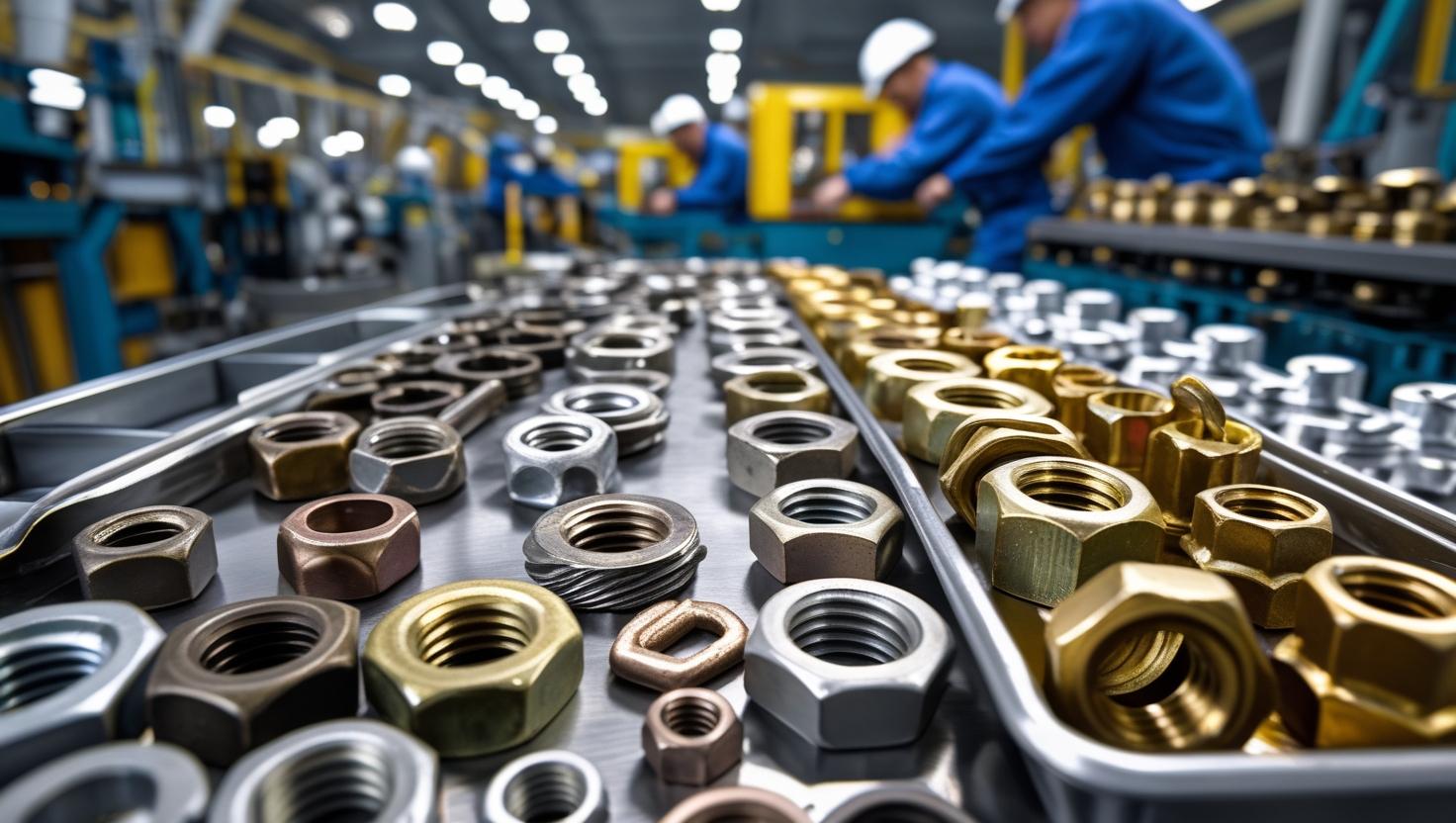
High-strength fasteners are silent yet critical components of global engineering. From securing suspension bridges to holding offshore turbines against relentless storms, they determine the safety and longevity of entire systems. As industries embrace taller structures, lighter vehicles, and greener energy, fastener technology is evolving to meet new challenges.
The next generation of high-strength fasteners is shaped by three trends: smarter surface treatments, advanced lightweight alloys, and digital traceability systems. Together, these innovations are redefining how industries design, build, and maintain infrastructure.
Smart Coatings for Extended Performance
Beyond Corrosion Resistance
Conventional galvanizing has protected fasteners for decades, but modern projects demand more than basic durability. Smart coatings now integrate multiple functions—providing not only corrosion resistance, but also friction management, chemical stability, and even self-repairing properties.
Developments in Surface Technology
-
Zinc-Nickel Plating: A step beyond standard zinc, particularly effective in marine and automotive contexts.
-
Polymer & PTFE Coatings: Lower installation torque, reduce galling, and improve chemical resistance.
-
Self-Healing Layers: Release inhibitors when scratched, maintaining integrity in harsh environments.
-
Eco-Friendly Alternatives: Replacing hazardous chromium-based coatings to comply with sustainability regulations.
Industry Impact
Infrastructure in coastal regions, energy installations in corrosive environments, and transport systems exposed to road salts increasingly depend on these coatings. Longer service intervals mean reduced downtime, stronger asset performance, and compliance with evolving environmental standards.
JINGLE’s Contribution: Continuous evaluation of advanced coatings under ASTM testing protocols ensures reliable performance for demanding applications.
Lightweight Alloys Redefining Efficiency
The Push Toward Reduced Mass
Every kilogram counts in sectors like aerospace, renewable energy, and electric vehicles. High-strength fasteners manufactured from titanium, aluminum, or hybrid alloys are becoming integral to reducing structural weight while maintaining mechanical performance.
Practical Applications
-
Aerospace: Titanium bolts and nuts cut structural weight while withstanding extreme loads.
-
EVs: Lightweight fasteners extend range and efficiency by reducing total vehicle mass.
-
Wind Energy: Alloy fasteners reduce nacelle weight, easing installation and improving stability.
Engineering Considerations
The adoption of advanced alloys involves trade-offs: higher material cost, more complex machining, and extended lead times. Yet these challenges are offset by efficiency gains and compliance with low-carbon objectives.
JINGLE’s Expertise: Decades of experience in processing alloy steels and titanium allow the delivery of high-performance fasteners that balance weight, cost, and durability.
Digital Traceability in Global Supply Chains
From Anonymous Parts to Transparent Systems
As supply chains expand, ensuring the authenticity and reliability of fasteners is becoming as critical as their mechanical strength. Digital traceability provides an auditable chain of custody for every component.
Emerging Practices
-
Unique ID & QR Coding: Direct access to certificates, test data, and batch records.
-
ERP-Linked Data: Synchronization of fastener performance data with project quality systems.
-
Compliance Assurance: Simplified auditing for infrastructure, energy, and defense projects.
Industry Impact
Digital traceability mitigates risks of counterfeit parts, strengthens regulatory compliance, and accelerates project approvals. In sectors where a single faulty fastener can compromise safety, transparent documentation is no longer optional.
JINGLE’s System: ERP-driven traceability ensures every shipment aligns with ISO quality management requirements.
Standards and Compliance in a Changing Industry
Even as fastener technology advances, adherence to established standards remains essential. Innovations in coatings, alloys, and traceability must align with global benchmarks such as:
-
ISO: Defining quality systems for manufacturing.
-
ASTM International: Setting performance and material standards for fasteners.
-
IFI (Industrial Fasteners Institute): Providing technical guidelines across industries.
Integration of these standards with new technologies ensures innovations are not just novel, but universally trusted.
Looking Ahead: The Future Landscape
High-strength fasteners are shifting from passive hardware to engineered solutions integrated into larger systems. The industry is moving toward:
-
Eco-conscious coatings aligned with environmental legislation.
-
Lightweight alloys that support decarbonization efforts in aviation, automotive, and renewable energy.
-
Digital ecosystems where fasteners carry real-time traceable identities.
Suppliers who embrace these shifts will not only strengthen their competitiveness but also help shape the resilience of modern infrastructure.
The evolution of high-strength fasteners is more than a technical detail—it is a cornerstone of modern engineering. Smart coatings, advanced alloys, and digital traceability are setting the stage for a future where performance, sustainability, and transparency converge.
Explore how JINGLE advances these innovations with certified, forward-looking solutions: Contact JINGLE.