Hex Bolts for Construction & Machinery in EU/US Markets
Carbon Steel & Stainless Steel Solutions with ASTM A325/A490 Capability
In the EU and US markets, hex bolts are far more than standard fasteners—they are safety-critical components for buildings, bridges, and heavy machinery. Buyers no longer select suppliers only by price; they evaluate standards compliance, material options, surface protection, and traceability.
As a manufacturer experienced in both carbon steel and stainless steel hex bolts, and with practical production of ASTM A325/A490 structural bolts, we summarize the key points that truly matter to European and American customers.
1. Standards That Define Market Entry
Europe
-
DIN 933 / ISO 4017 – Hex bolts geometry
-
ISO 898-1 – Mechanical properties (8.8 / 10.9 / 12.9)
-
EN 10204 3.1 – Material certificate
-
CE project documentation
United States
-
ASTM A325 / A490 – Structural bolts
-
ASTM F3125 – Updated structural bolting standard
-
SAE J429 Grade 5 / 8 – Machinery sector
-
IFI quality requirements
What buyers actually check
-
Chemical composition vs. certificate
-
Tensile strength and yield ratio
-
Coating thickness & corrosion report
-
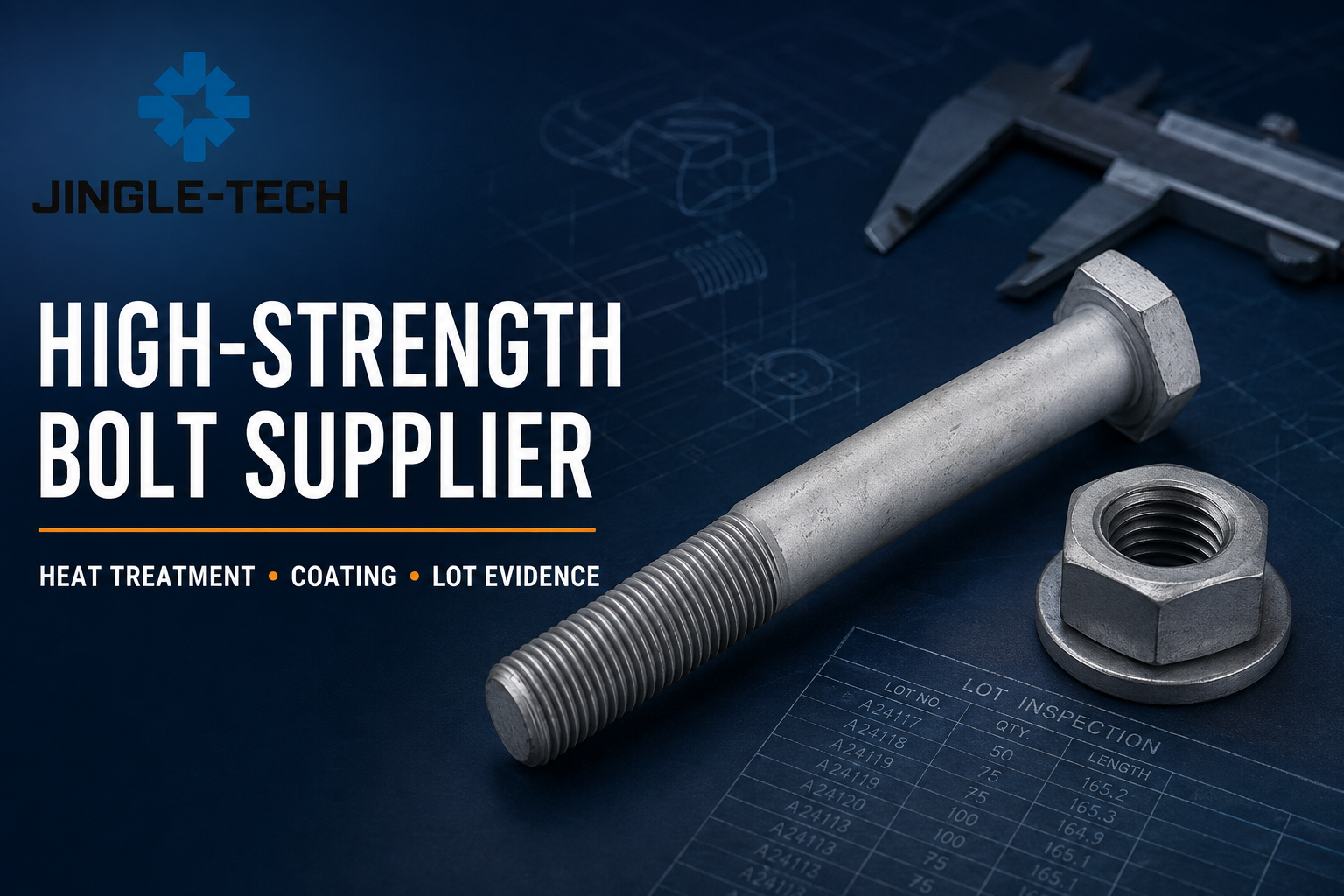
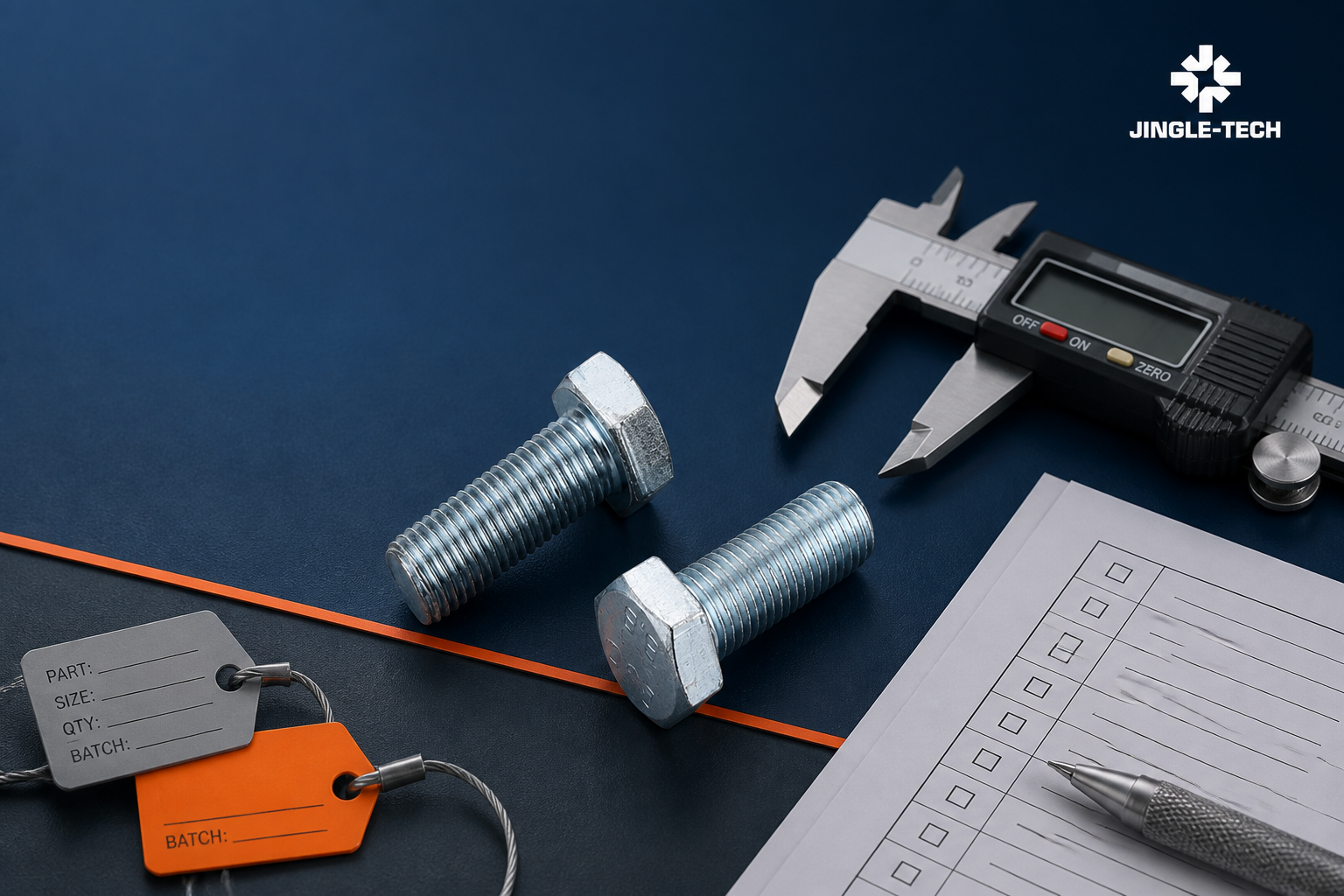
Lot traceability from wire rod to shipment
2. Material Selection: Carbon Steel vs Stainless Steel
Carbon Steel Hex Bolts
Typical grades:
-
8.8 – general structural connection
-
10.9 – dynamic load areas
-
12.9 – high-strength machinery
Surface options:
-
HDG (hot dip galvanized)
-
Zinc plated
-
Geomet / Dacromet
-
Black oxide
Advantages: high strength, cost-effective, wide acceptance in A325/A490 projects.
Stainless Steel Hex Bolts
Grades:
-
A2-70 (304)
-
A4-80 (316)
Used for:
-
Coastal or chemical environments
-
Curtain wall & façade
-
Food & pharmaceutical machinery
3. Application Logic in Two Core Industries
Construction Projects
Common requirements from EU/US contractors:
-
Salt spray ≥ 720h
-
Coating thickness 45–65μm
-
Preload / torque data
-
3.1 certificate + factory test report
Typical configuration
| Scenario | Recommendation |
|---|---|
| Static steel structure | 8.8 + HDG |
| Dynamic node | 10.9 + Geomet |
| Marine area | A4-80 stainless |
| US structural | ASTM A325 Type 1 |
Machinery & Equipment
Characteristics:
-
High vibration
-
Repeated load
-
Need for stable K-factor
Solutions we supply:
-
10.9 + Geomet with torque coefficient test
-
12.9 + black + oil
-
Assembly with Nord-Lock / nylon insert
For machinery customers, bolts are treated as functional parts, not accessories.
4. Our Capability Scope
-
Materials: Carbon Steel & Stainless Steel
-
Standards: DIN / ISO / ASTM A325 / A490
-
Size: M6–M36, 1/4"–1-1/2"
-
Grade: 8.8 / 10.9 / 12.9 / A2-70 / A4-80
-
Surface: HDG / Zinc / Geomet / Black
-
Documents:
-
EN 10204 3.1
-
Mechanical Test
-
Salt Spray
-
Torque Coefficient
-
Full Traceability
-
5. Why This Matters for Buyers
In EU/US projects, a failed hex bolt means:
-
structural risk
-
equipment downtime
-
legal liability
Therefore supplier selection is essentially a choice of quality system, not only price.
Let’s Discuss Your Project
If you are sourcing hex bolts for:
-
EU CE construction
-
US ASTM structural
-
heavy machinery OEM
send us your drawing or specification, and we will respond with a technical proposal within 24 hours.