How Accurate is CNC Machining?
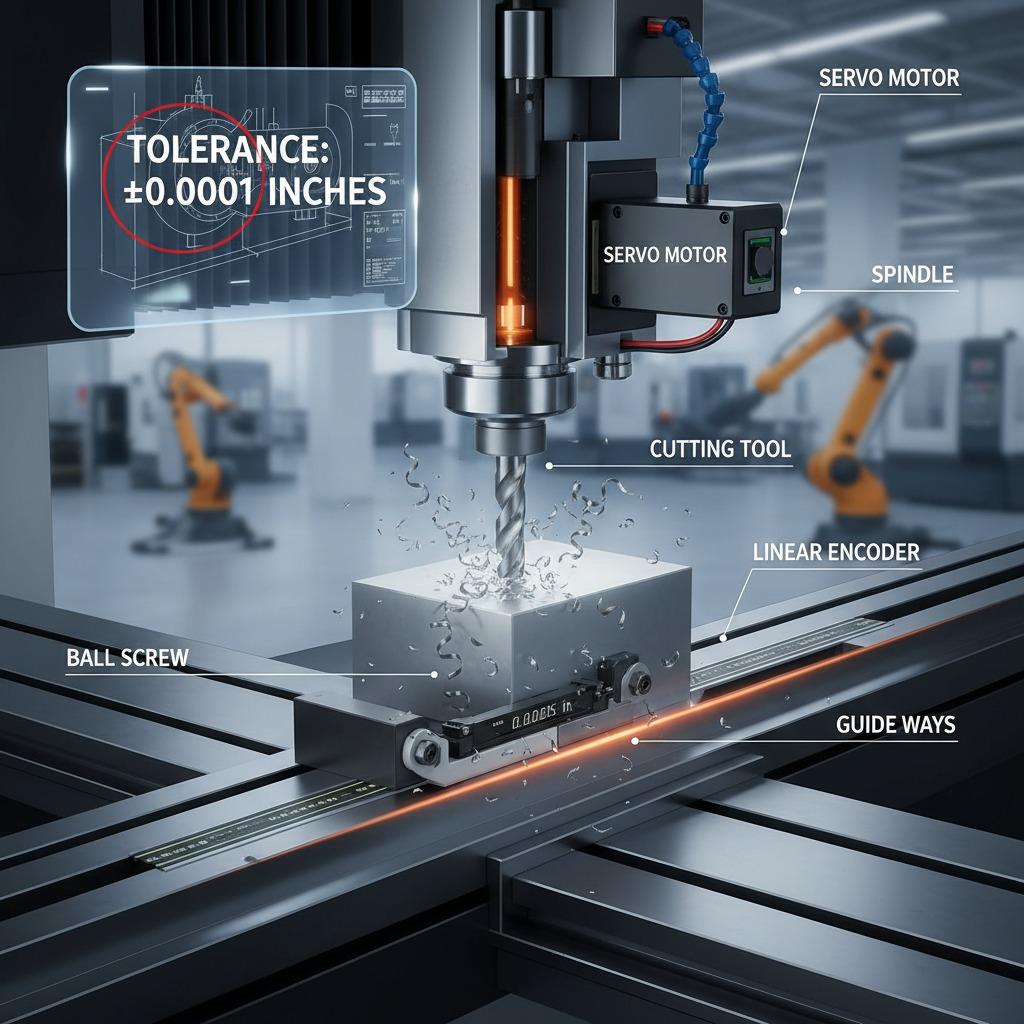
CNC machining, or Computer Numerical Control machining, is a cornerstone of modern manufacturing, renowned for its precision and reliability. When exploring how accurate is CNC machining, it's essential to understand that this technology can achieve tolerances as tight as ±0.0001 inches (0.0025 mm) in ideal conditions. This level of accuracy stems from the use of computer-controlled systems that guide cutting tools along programmed paths, minimizing human error and ensuring consistent results across production runs.
Understanding the Precision Capabilities
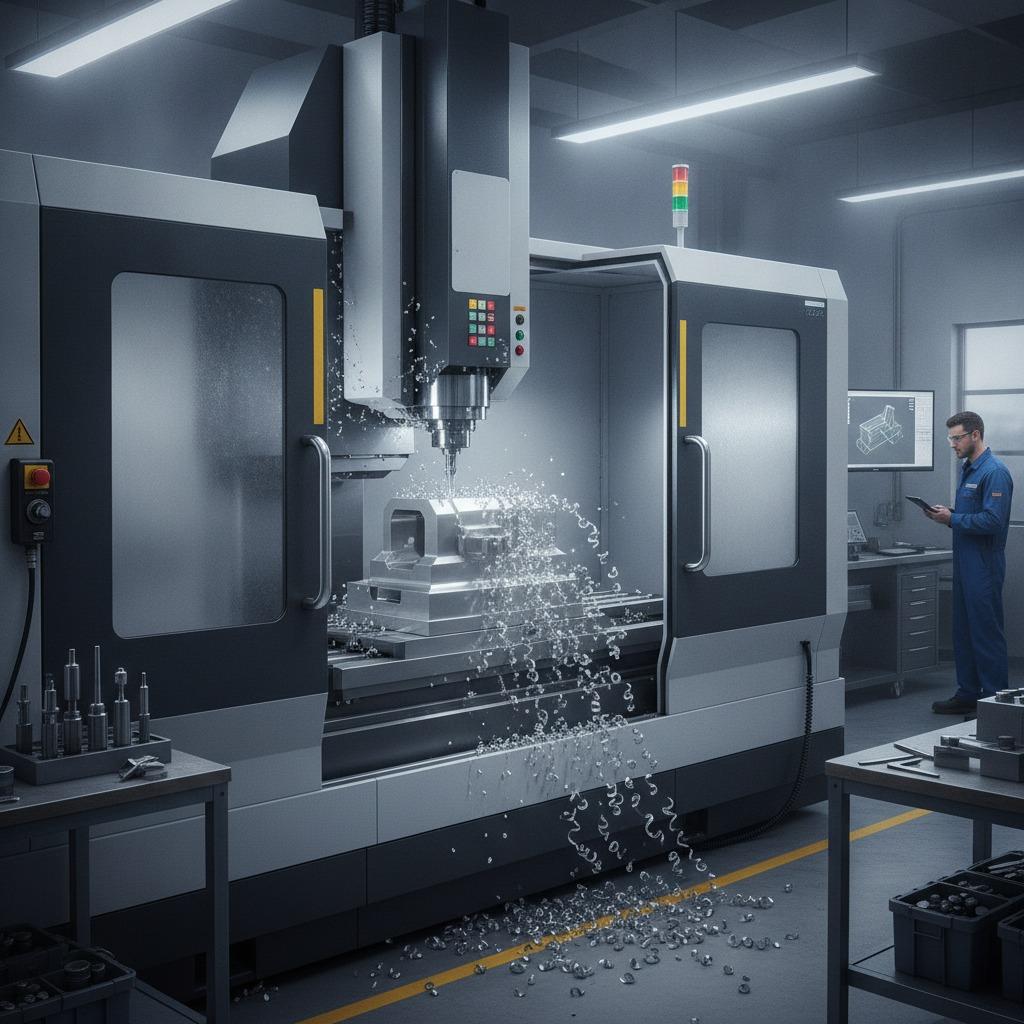
The accuracy of CNC machining is influenced by several factors, including the type of machine, material properties, and environmental conditions. For instance, high-end CNC mills and lathes equipped with advanced servo motors and linear encoders can maintain positional accuracy within microns. This precision is vital for industries like aerospace and medical device manufacturing, where even the slightest deviation can compromise safety or functionality. Unlike traditional manual machining, CNC systems follow digital blueprints with unwavering fidelity, allowing for complex geometries that would be challenging to replicate by hand. Studies from manufacturing bodies like the American Society of Mechanical Engineers highlight that CNC processes often exceed the tolerances specified in ISO standards, making it a go-to for high-stakes applications.
Factors Affecting CNC Machining Accuracy
While CNC machining is exceptionally accurate, it's not infallible. Tool wear, for example, can gradually reduce precision over extended use, necessitating regular maintenance and calibration. The choice of material also plays a role; softer metals like aluminum allow for finer details, whereas harder alloys like titanium may require slower feeds to preserve accuracy. Thermal expansion in the workpiece or machine components due to heat from cutting operations can introduce minor distortions, though modern machines incorporate cooling systems to mitigate this. Additionally, the software's programming quality is crucial—errors in CAD/CAM models can propagate inaccuracies. To counter these, many shops employ in-process metrology tools, such as laser interferometers, to monitor and adjust operations in real-time, ensuring deviations stay below 0.001 inches.
Real-World Applications and Improvements
In practice, the accuracy of CNC machining shines in producing intricate parts like turbine blades or prosthetic implants, where tolerances under 0.005 mm are common. Advancements like 5-axis CNC machines further enhance this by enabling multi-angle cuts without repositioning, reducing cumulative errors. Hybrid systems combining CNC with additive manufacturing are pushing boundaries even further, allowing for ultra-precise prototypes. For businesses seeking reliability, partnering with experienced providers who adhere to certifications like AS9100 can guarantee superior outcomes. Ultimately, when considering how accurate is CNC machining, the answer lies in its ability to deliver repeatable precision that meets or surpasses demanding specifications, revolutionizing efficiency in manufacturing.
Maximizing Accuracy in Your Projects
To leverage the full potential of CNC machining accuracy, start with a detailed design review and select the right tooling strategy. Post-machining inspections using CMM (Coordinate Measuring Machines) provide verification, ensuring parts meet exact standards. As technology evolves, expect even greater accuracies from AI-integrated CNC systems that predict and correct for variables dynamically. Whether for prototyping or mass production, understanding these elements empowers informed decisions, yielding high-quality results every time.