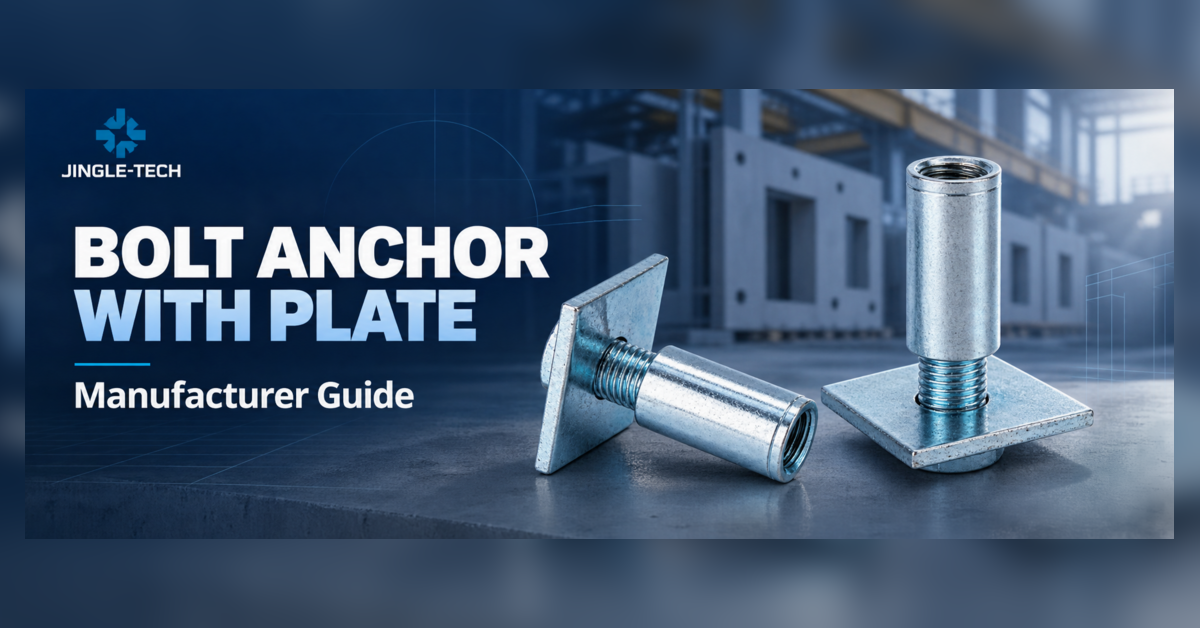
Understanding the Lifting Anchor: Essential Components for Construction Safety
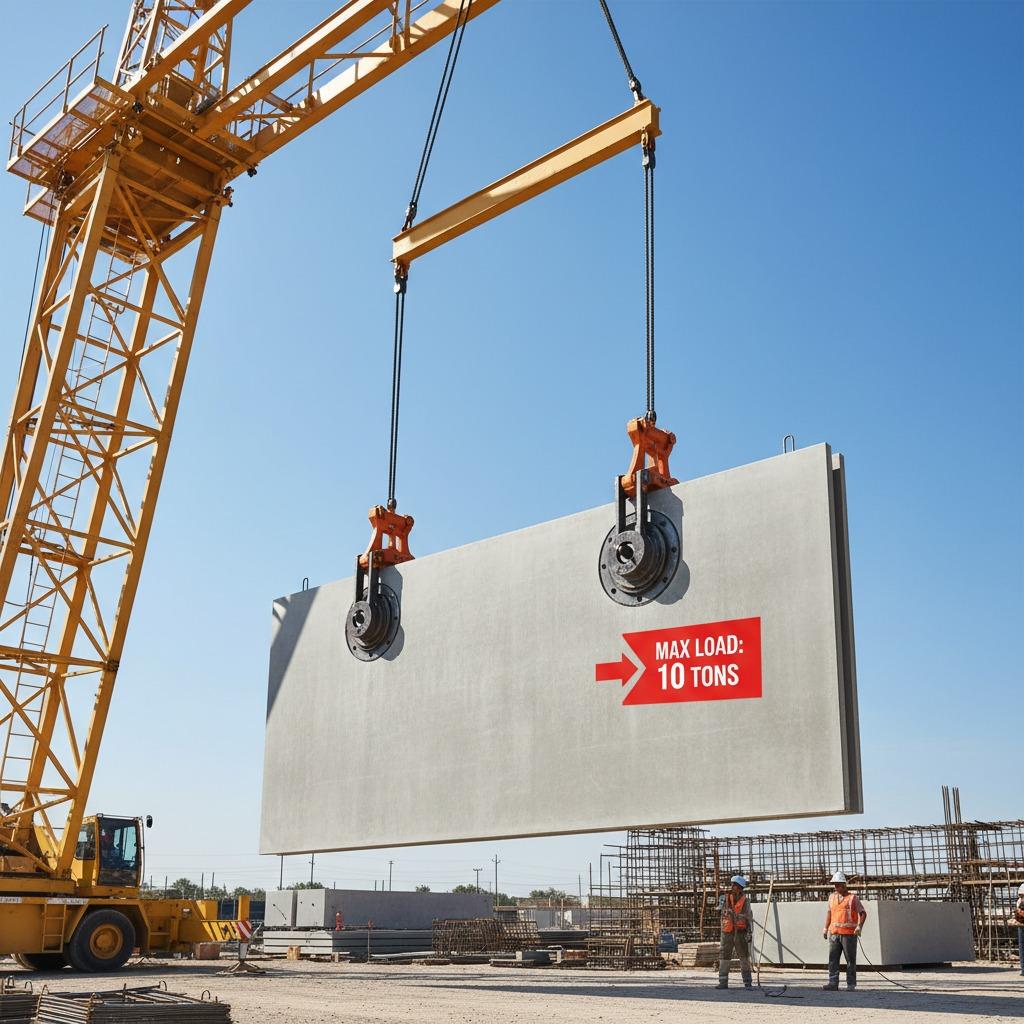
In the world of construction and precast concrete applications, the lifting anchor plays a crucial role in ensuring safe and efficient material handling. This specialized hardware device is embedded within concrete structures to provide secure attachment points for lifting equipment, such as cranes or hoists. By integrating a lifting anchor into the design, builders can transport heavy loads with confidence, minimizing risks associated with on-site accidents. Often paired with components like the lifting socket, these anchors are vital for projects ranging from bridges to high-rise buildings, offering reliability that meets stringent industry standards.
The Mechanics and Design of a Lifting Anchor
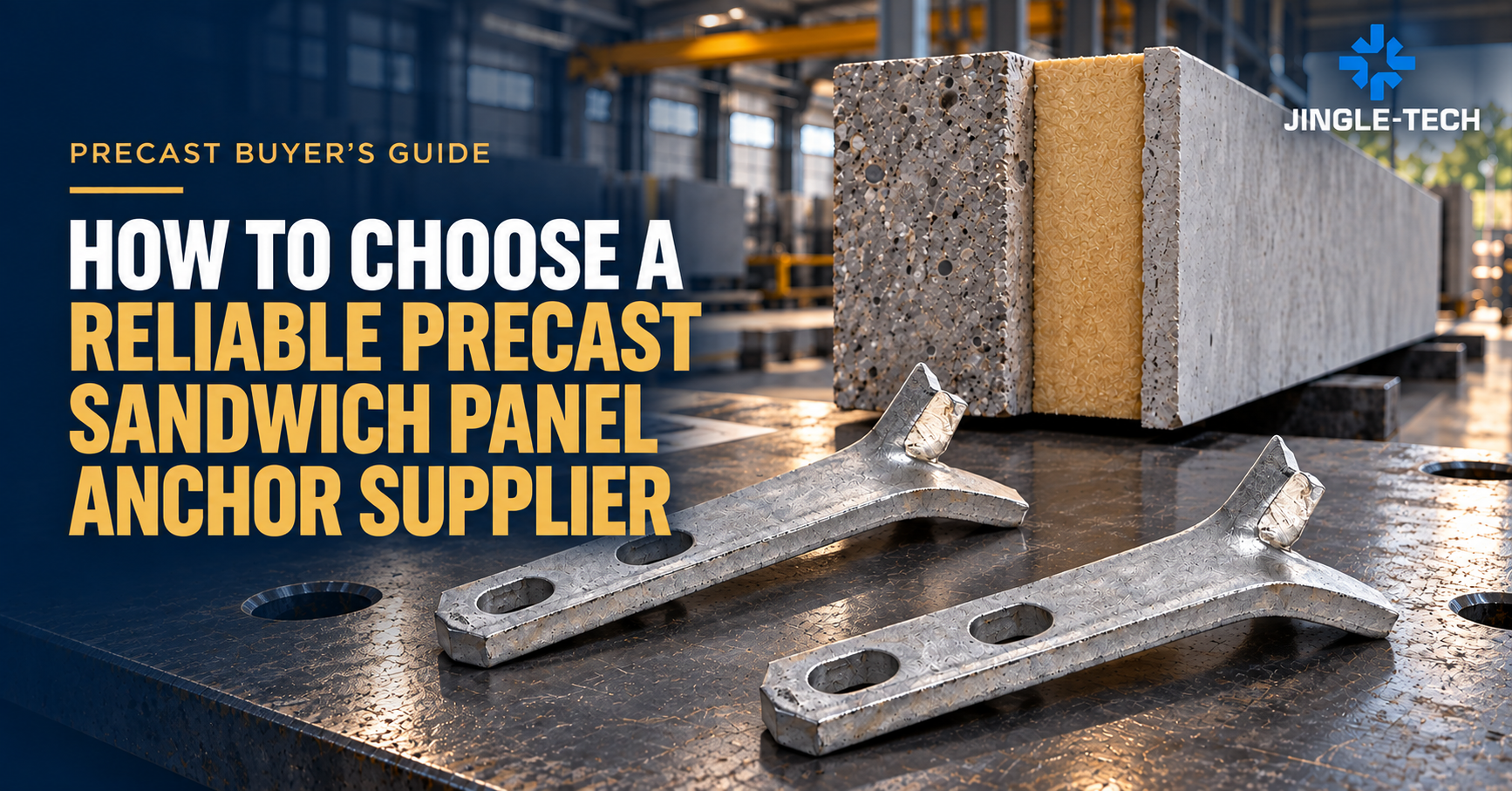
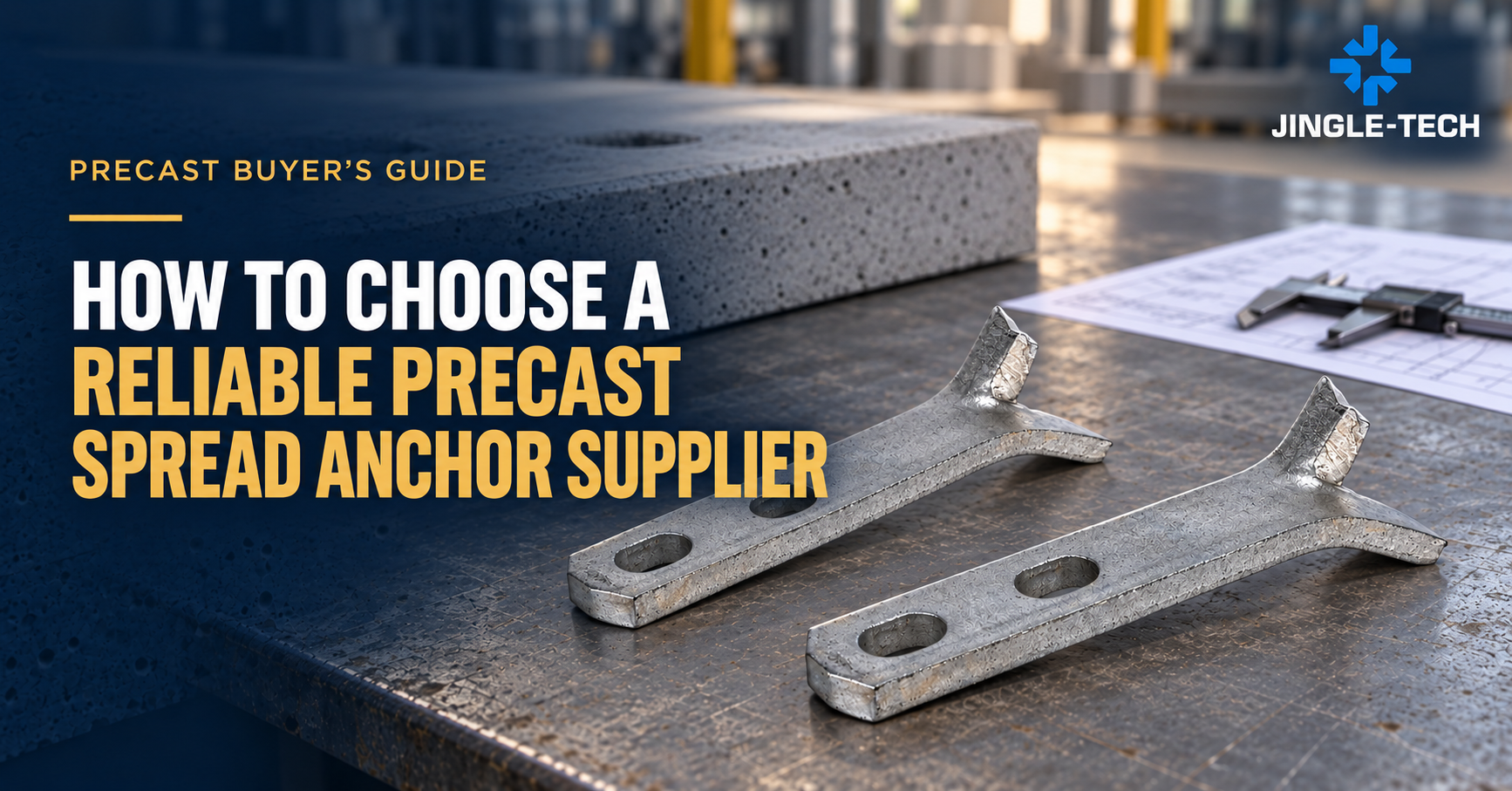
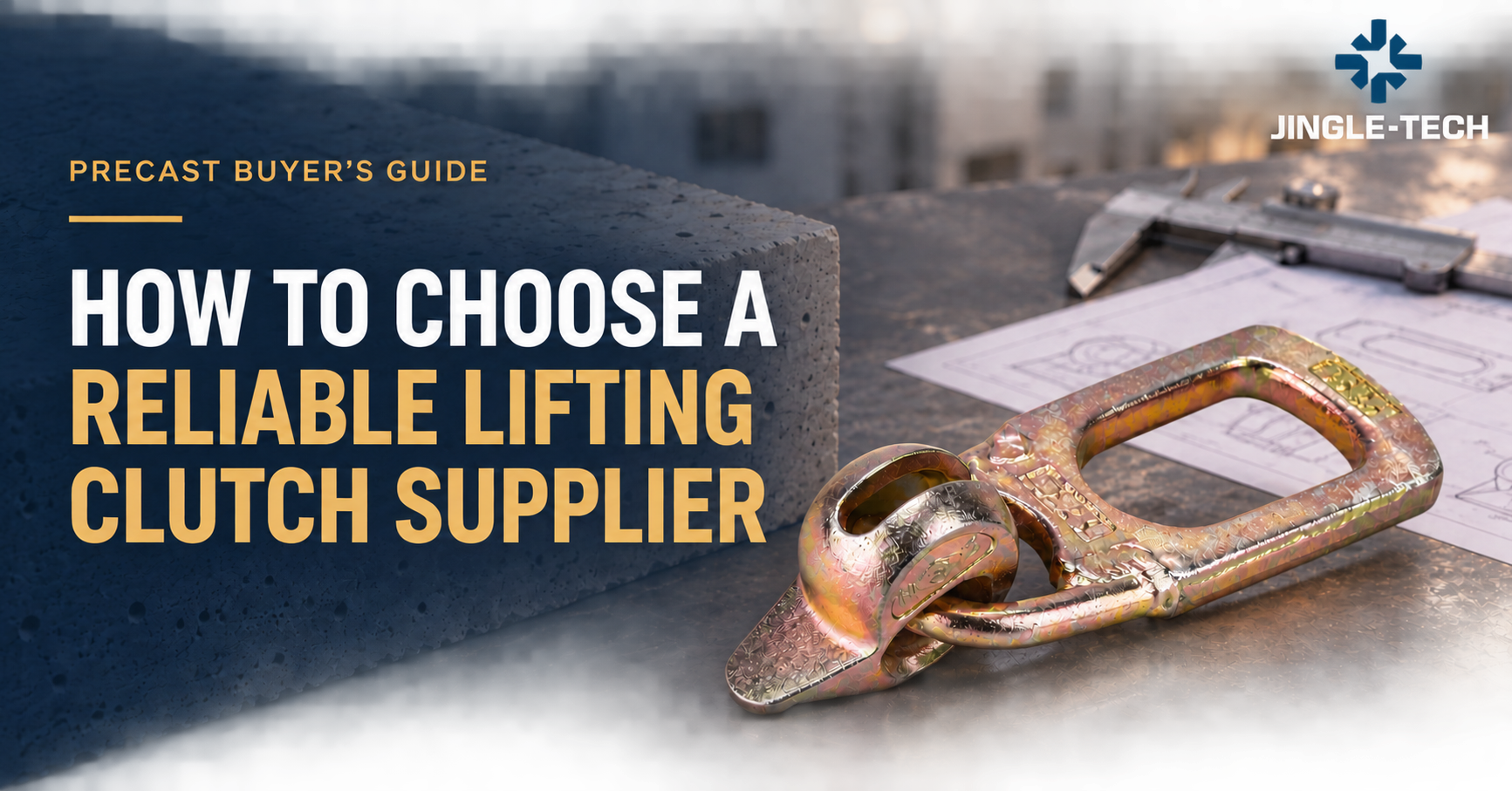
A typical lifting anchor consists of a high-strength steel component that is cast into the concrete during the pouring process. Once set, it protrudes or connects via threads to form a robust lifting point. The design of the lifting anchor allows it to withstand tremendous loads, often rated for capacities up to several tons, depending on the size and material specifications. Engineers must calculate the precise placement of the lifting anchor to distribute weight evenly, preventing structural weaknesses. In practice, these anchors are tested rigorously to comply with standards like those from the International Concrete Repair Institute, ensuring they perform under dynamic stresses during lifting operations.
Integrating Lifting Sockets for Enhanced Performance
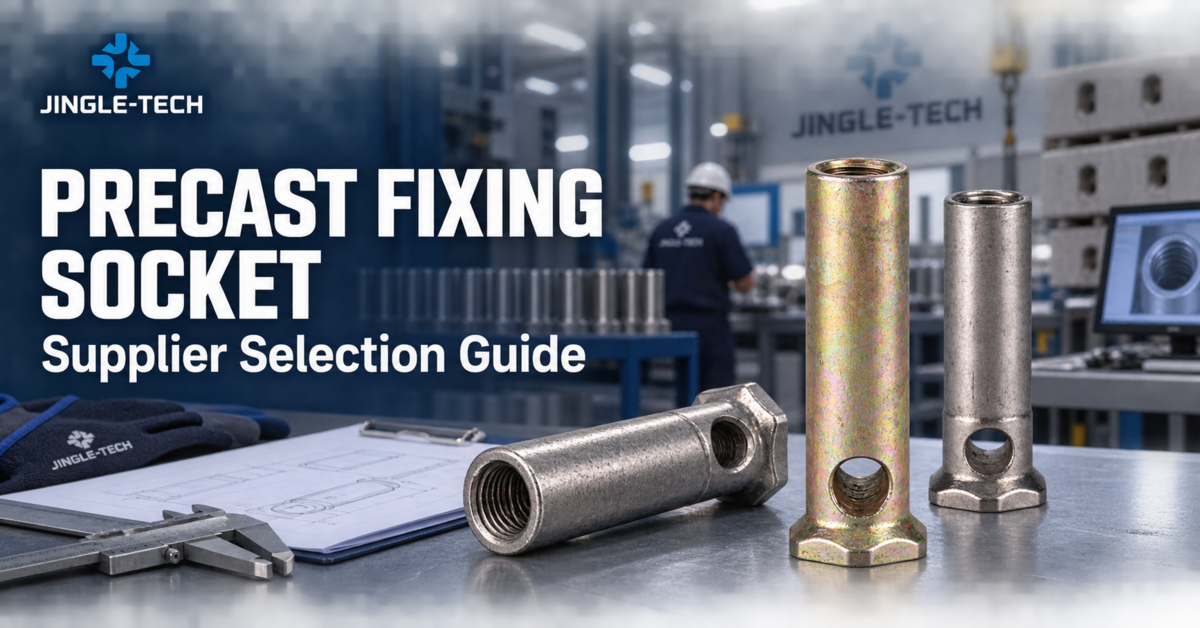
Complementing the lifting anchor is the lifting socket, a recessed or embedded receiver that mates with the anchor for seamless connections. The lifting socket provides a threaded or form-fit interface, allowing for quick attachment of lifting hardware without compromising the concrete's integrity. This combination is particularly useful in precast panels, where multiple lifting anchors and sockets are installed to enable balanced lifts. For instance, in manufacturing prefabricated elements, workers insert the lifting socket during molding to align perfectly with the anchor, facilitating easy transport to the construction site. Using a quality lifting socket not only speeds up assembly but also reduces the need for additional reinforcements, saving time and costs on large-scale projects.
Applications and Best Practices for Lifting Anchors
Lifting anchors find widespread use in infrastructure development, including tunnels, dams, and residential complexes. In these scenarios, the lifting anchor ensures that massive concrete segments can be maneuvered precisely, avoiding damage to surrounding structures. Best practices include selecting anchors certified for the specific load requirements and conducting pre-lift inspections to verify the condition of both the lifting anchor and any attached lifting socket. Additionally, training crews on proper usage is essential; improper installation can lead to failures, as seen in some historical case studies where overlooked socket alignments caused delays. To maximize safety, always consult with structural engineers to integrate these components into your project's blueprint from the outset.
Advantages of Modern Lifting Anchor Systems
Modern iterations of the lifting anchor incorporate advanced materials, such as corrosion-resistant alloys, extending their lifespan in harsh environments like marine constructions. Paired with durable lifting sockets, these systems offer modularity, allowing for reusable parts that lower overall project expenses. Furthermore, innovations in lifting anchor technology, including shear and tension load capacities, make them adaptable to diverse engineering challenges. For construction firms aiming for efficiency, investing in high-quality lifting anchors translates to fewer rework instances and enhanced worker safety, ultimately contributing to smoother project timelines and budgets.