Understanding Panel Connection Systems for Precast Construction
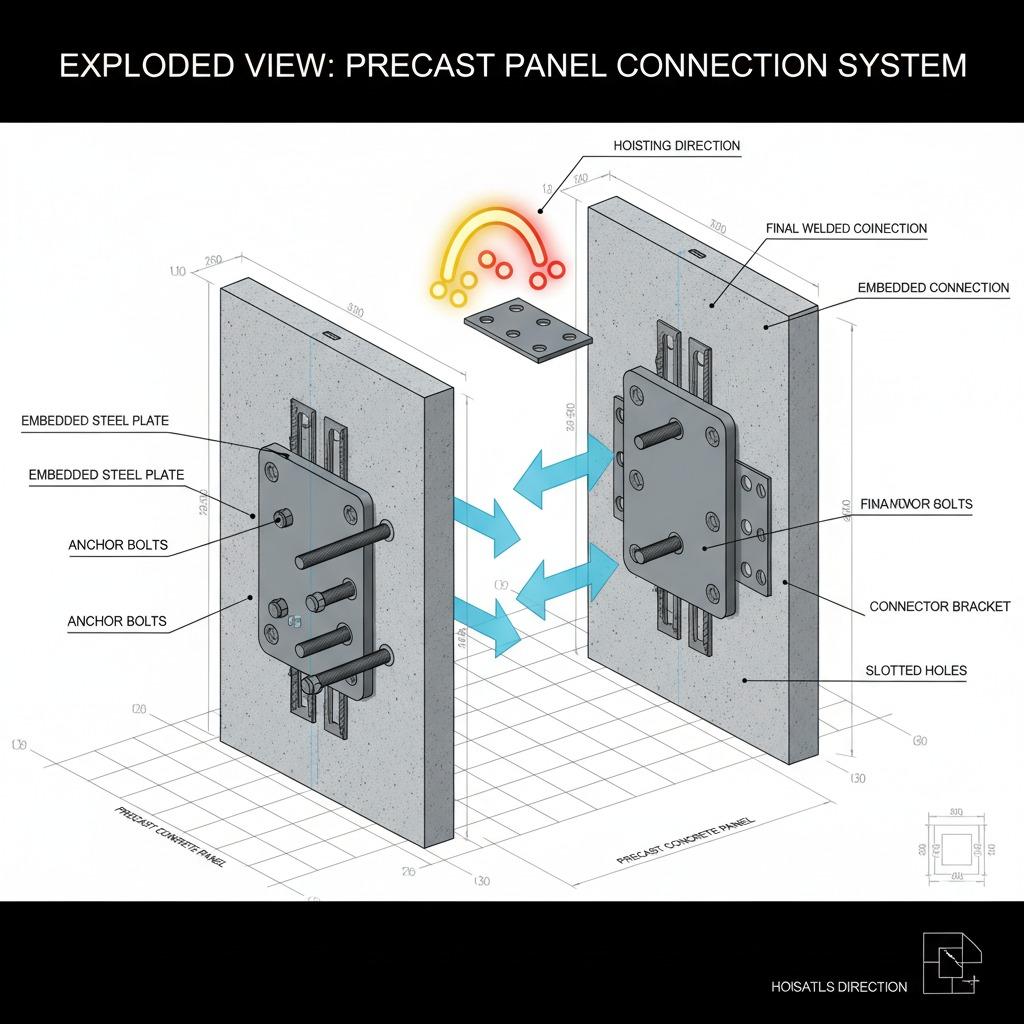
In the world of modern construction, panel connection systems precast technology stands out as a game-changer for efficiency and durability. These systems are designed to seamlessly join precast concrete panels, ensuring structural integrity while reducing on-site labor and time. As building projects grow more complex, relying on robust panel connection systems precast allows engineers and builders to create versatile structures like walls, floors, and facades with precision. This approach not only enhances safety but also minimizes errors that often plague traditional methods.
The Fundamentals of Panel Connection Systems Precast
Panel connection systems precast involve specialized hardware and techniques to link prefabricated panels off-site or during assembly. Typically, these systems use embedded steel plates, bolts, or welded connections that align perfectly when panels are hoisted into place. For instance, in high-rise buildings, such connections must withstand shear forces, tension, and compression, making material selection critical. Engineers often opt for corrosion-resistant alloys to extend the lifespan of these joints. Moreover, advancements in panel connection systems precast have incorporated adjustable brackets, allowing for minor misalignments during installation, which is invaluable in variable site conditions. This foundational aspect ensures that precast elements behave as a unified whole, supporting the overall load-bearing capacity of the structure.
Advantages of Implementing Panel Connection Systems Precast
One of the primary benefits of panel connection systems precast is the significant reduction in construction timelines. By assembling panels in a controlled factory environment, builders can bypass weather-related delays and achieve higher quality control. These systems also promote sustainability; precast panels require less material waste, and the efficient connections lower the carbon footprint associated with prolonged site activities. In seismic zones, properly designed panel connection systems precast provide flexibility, absorbing vibrations without catastrophic failure. Cost savings are another draw—initial investments in quality connections are offset by decreased labor and faster project completion. For commercial projects, this translates to quicker occupancy and revenue generation for owners.
Key Considerations for Designing Panel Connection Systems Precast
When designing panel connection systems precast, factors like panel thickness, joint types, and environmental exposure must be evaluated. Grouted connections, for example, involve filling voids with high-strength mortar to create monolithic bonds, ideal for load-bearing walls. Alternatively, mechanical couplers offer demountable options for modular buildings. Compliance with standards such as those from the Precast/Prestressed Concrete Institute (PCI) is essential to ensure reliability. Additionally, integrating technology like BIM (Building Information Modeling) helps simulate connection performance before fabrication. Builders should also consider thermal expansion in these systems to prevent cracking over time. By addressing these elements, projects utilizing panel connection systems precast can achieve both aesthetic appeal and functional excellence.
Future Innovations in Panel Connection Systems Precast
Looking ahead, panel connection systems precast are evolving with smart materials and automation. Self-healing concrete additives could repair micro-cracks in connections autonomously, while IoT sensors monitor joint stress in real-time, alerting to potential issues. These innovations promise even greater resilience in extreme conditions, such as hurricane-prone areas. As the industry pushes toward net-zero buildings, lightweight composite connections may reduce overall structure weight, easing transportation logistics. Embracing these developments ensures that panel connection systems precast remain at the forefront of sustainable construction practices.