Why panel fixing systems matter more than they first appear
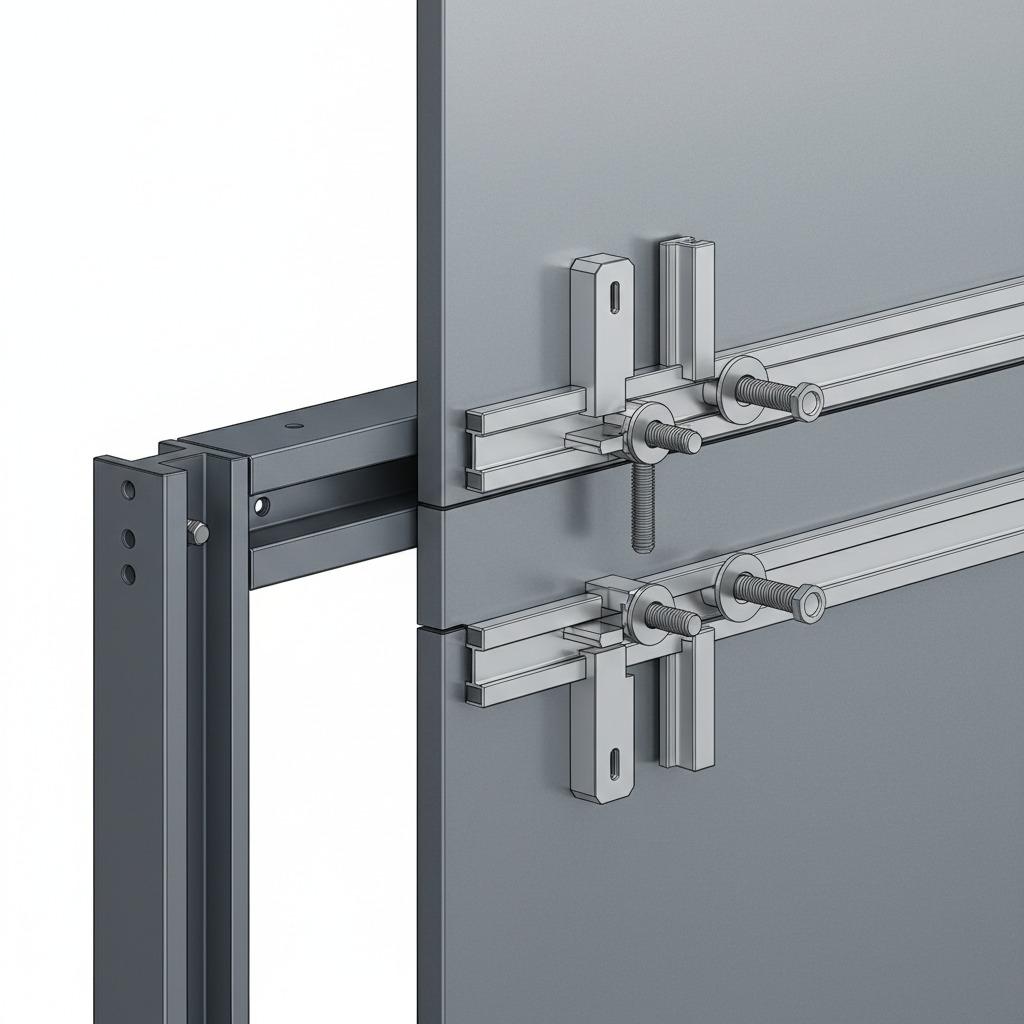
Panel fixing systems rarely get much attention when a project is being designed, yet they can decide whether a façade, an interior wall, a machine enclosure, or a transport panel stays aligned and serviceable for years. Engineers and sourcing teams usually notice them only when something goes wrong: a panel rattles, fasteners loosen, access becomes awkward, or the surface finish is damaged during installation. That is exactly why panel fixing systems deserve a more careful look. The right choice affects structural security, assembly speed, maintenance access, vibration resistance, and even the final appearance of the product.
For buyers, the real question is not simply which fastening method holds a panel in place. It is which system suits the material, load, environment, and service requirements without creating hidden cost later. A low-cost clip may look attractive on a drawing, but if it complicates replacement or fails under repeated opening, the savings disappear quickly.
What panel fixing systems are designed to do
At the most basic level, panel fixing systems connect a panel to a frame, substructure, or adjoining component. That sounds simple, but the demands vary widely. In building applications, the system may need to cope with thermal movement, wind load, or weather exposure. In industrial equipment, the priority may be vibration control, repeat access, and protection against accidental loosening. In cabinetry, display units, or transport interiors, clean appearance and fast assembly often matter just as much as strength.
A good fixing system does three things at once:
It holds the panel securely.
It supports repeatable installation.
It avoids damaging the panel edge, face, or mounting frame.
Those goals are not always easy to combine, especially when the panel material is brittle, thin, or decorative.
Common types and where they tend to fit
There is no single universal design. Most panel fixing systems fall into a few practical categories, each with its own trade-off.
Mechanical fasteners
Screws, bolts, rivets, and similar hardware are still widely used because they are familiar and easy to source. They are often a sensible choice when the panel needs a firm, permanent attachment. The downside is that direct fastening can create stress points, and repeated removal may damage threads or surrounding material if the design is not thoughtful.
Clip and bracket systems
These are common where faster assembly or cleaner external surfaces are desired. Clips can reduce visible hardware and speed up installation, but they depend heavily on accurate tolerances and correct material selection. A clip that feels secure in the prototype stage may behave differently in volume production if panel thickness varies.
Rail-based systems
Rails or carrier profiles are often used for larger panels, especially when alignment is critical. They help distribute load and can make replacement easier. The caution here is weight and cost: rail systems may add material and require more planning at the design stage.
Adhesive-assisted fixing
In some assemblies, adhesives are combined with mechanical fixing to improve load distribution or reduce vibration. This can work well, but it raises questions about surface preparation, curing conditions, and eventual disassembly. Buyers should be careful here; a bond that looks strong on paper may be difficult to verify in production unless the process is tightly controlled.
Selection criteria that actually affect performance
When comparing panel fixing systems, engineers should look beyond the catalog description. The panel material is the first checkpoint. Metal, composite, timber-based, and plastic panels each behave differently under clamping force and temperature change. A system that works for one material may over-compress another.
Load is the next factor. Not just static weight, but vibration, impact, repeated opening, and edge pull-out. In many real installations, vibration is the quiet problem that causes trouble later. If the application sits near motors, moving equipment, road transport, or wind exposure, the fixing method should be assessed with that in mind.
Service access matters too. If the panel needs to be removed for cleaning, inspection, or component replacement, a permanent fastening approach may be the wrong answer. A few extra seconds at installation can save hours over the life of the product.
Environmental conditions should not be overlooked. Corrosion, moisture, heat, and UV exposure can change the behavior of both the panel and the fixing itself. Mixed-material assemblies deserve special caution because differential expansion can loosen a system that originally seemed secure.
Common mistakes buyers still make
One frequent mistake is treating all fixing hardware as interchangeable. It is not. Surface finish, thread engagement, clamp geometry, and installation torque all influence the outcome. Another is underestimating manufacturing variation. A fixation concept that works beautifully on a controlled sample may struggle if panel thickness, cut quality, or hole location shifts across production.
There is also a tendency to prioritize visible neatness over maintenance reality. Hidden fixings can create a cleaner look, but if they make field replacement difficult, service teams will eventually pay for it.
Practical advice for sourcing and design teams
If you are choosing panel fixing systems for a new project, start by asking how the panel will fail in the real world, not just how it will be assembled. Will the panel be removed often? Is vibration a concern? Does the surface need to stay unmarked? Is the substructure consistent enough for a tight-fitting clip system?
It also helps to test the full assembly, not just the individual fastener. The panel, frame, coating, and installation method should be evaluated together. That sounds obvious, but in procurement work it is easy to approve hardware before the system has been proven as a whole.
A final buyer’s checkpoint
Before placing an order, make sure the fixing method matches the panel material, the environment, and the maintenance plan. If any one of those changes later, the system may need to change too. Panel fixing systems are not glamorous, but they are one of those components where small design decisions have long aftereffects.
If you are evaluating options for a new build or a redesign, the safest next step is usually to compare fixing concepts against the actual installation and service conditions, not just the drawing. That is where the weak points tend to show up.