Choosing the Right Nut for the Job: From Precision to Heavy-Duty Steel
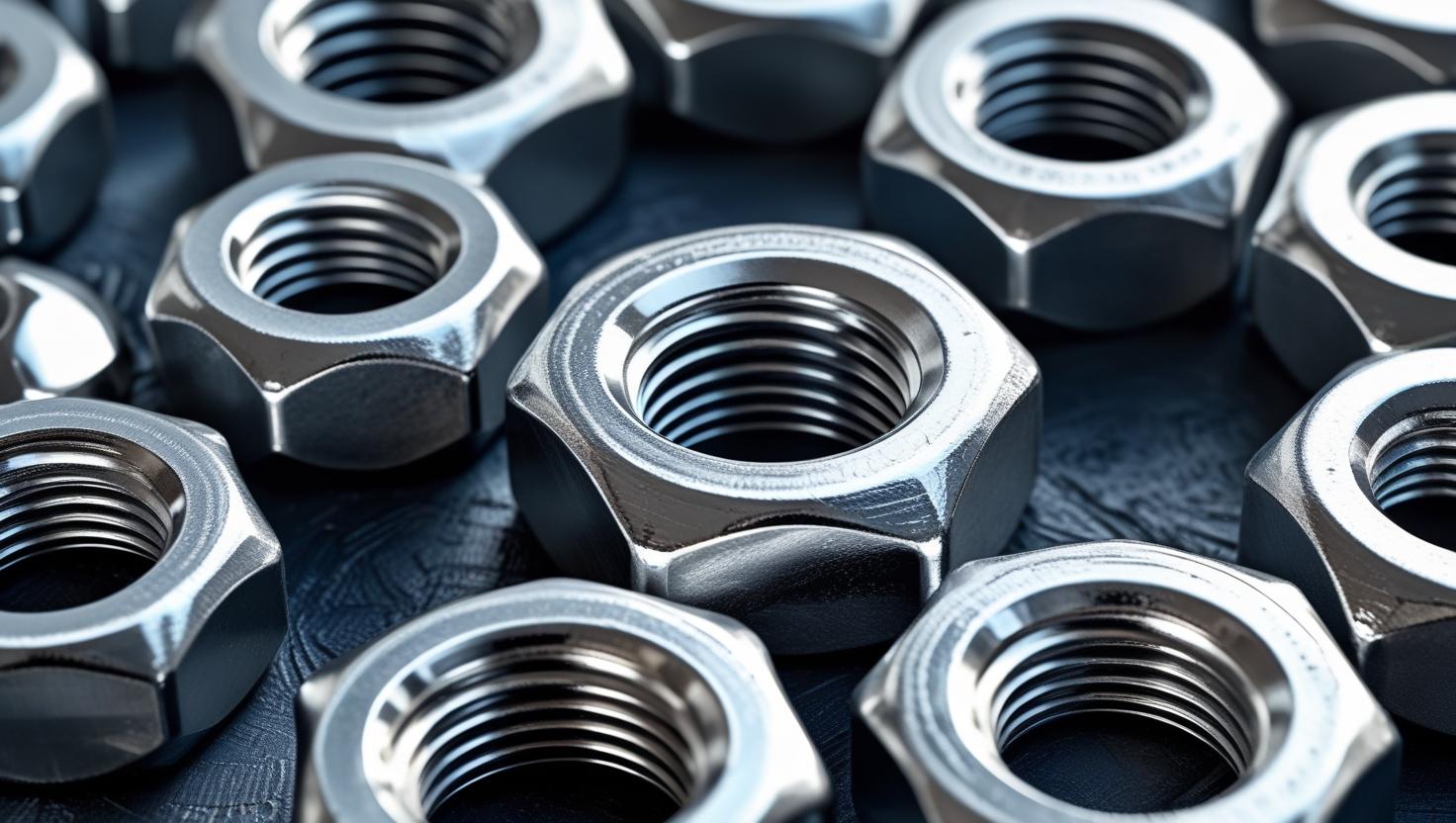
In fastening systems, the nut is more than just a companion to the bolt. Choosing the wrong type—too soft, too loose, or the wrong thread—can compromise entire assemblies. Whether you're sourcing for high-speed equipment or large structural frames, understanding the role ofprecision nuts,heavy-duty nuts, andsteel wholesale optionscan make or break your project.
Precision Nuts: Small Tolerances, Big Impact
Precision nutsare typically used in applications that require tight torque control and minimal axial movement. Industries such as robotics, automotive parts manufacturing, and CNC assembly rely heavily on these.
Key characteristics include:
-
High thread accuracyto ISO or ANSI standards
-
Surface-treated finishesto reduce friction and wear
-
Material matchingfor exact bolt compatibility
-
Consistent torque resistancefor calibration tools and gauges
At Jingle, we supply OEM-grade precision nuts that are batch-tested for concentricity and tolerance consistency, ensuring every unit performs as designed—even in high-speed, high-pressure environments.
Heavy Nuts for Load-Bearing Applications
When it comes to large-scale applications likesteel structures,mining rigs, orindustrial pipelines, nut performance isn’t just about precision—it’s aboutsheer strength.
Heavy nuts from Jingle offer:
-
Grade 8 or above strength ratingsfor structural reliability
-
Coatings for extreme environments, including galvanizing, zinc-nickel, or hot-dip
-
Oversized threads and surface areasfor strong grip under vibration
-
Compliance with ASTM and DIN standardsfor global export readiness
As aheavy nut exporter, Jingle works with construction contractors and energy infrastructure buyers worldwide to provide high-volume, documentation-ready orders, packaged with detailed commercial invoices, certificates of origin, and export labels.
Steel Nut Wholesale: Balancing Versatility and Volume
For general-purpose fastening in manufacturing, maintenance, and assembly operations,steel nut wholesale supplyprovides a practical balance between strength and scalability.
Why many industrial buyers prefer Jingle’s steel nut wholesale options:
-
Bulk packing by thread size and typefor easy distribution
-
Availability in metric and imperial units
-
Clear SKU labeling for warehouse management
-
Option to bundle with bolts and washersinto assembly kits
Use cases include factory assembly lines, warehouse repair stations, and aftermarket auto parts distribution—all requiring dependable, affordable fastening components.
Matching the Right Nut to the Right Industry
| Application | Recommended Nut Type | Why It Matters |
|---|---|---|
| Precision machinery | Precision nut | Ensures accurate, repeatable torque control |
| Heavy steel construction | Heavy-duty nut | Supports high loads and resists loosening |
| Bulk industrial supply | Steel nut wholesale | Balances performance, cost, and availability |
| Offshore & corrosive use | Coated steel or alloy nuts | Withstands harsh environmental exposure |
Each of these nut types has its own performance specs and usage logic. Jingle works closely with technical teams to ensure that theright material, thread, and finishare selected for your use case.
Let Application Guide Your Nut Selection
The difference between a secure connection and a costly failure often comes down to thetype of nutyou choose. Fromprecision nutsfor engineering assemblies toheavy-duty nutsfor structural jobs, andsteel nut wholesalekits for streamlined procurement, Jingle delivers tailored fastening solutions for real-world needs.
Explore our full range atjinglefix.comorcontact our export teamto discuss bulk supply or OEM requirements.