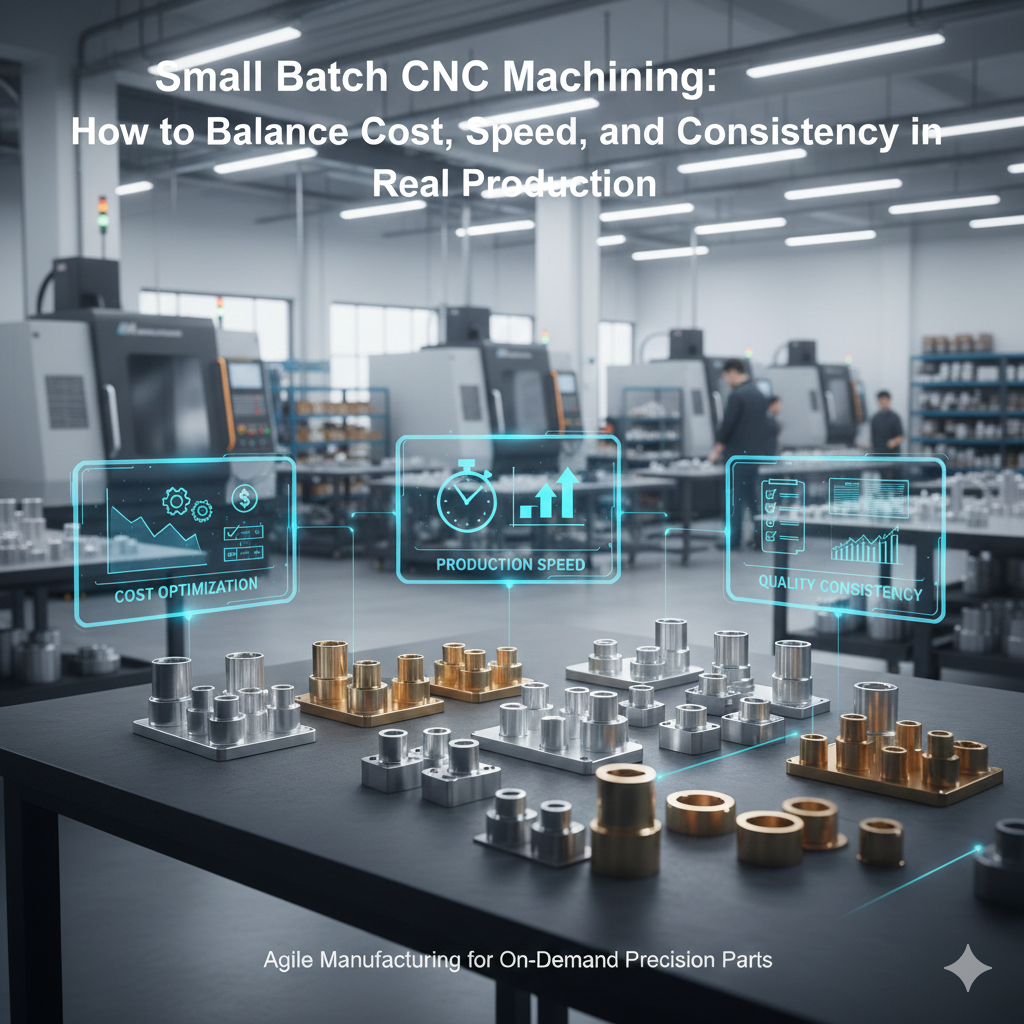
Small Batch CNC Machining: How to Balance Cost, Speed, and Consistency in Real Production
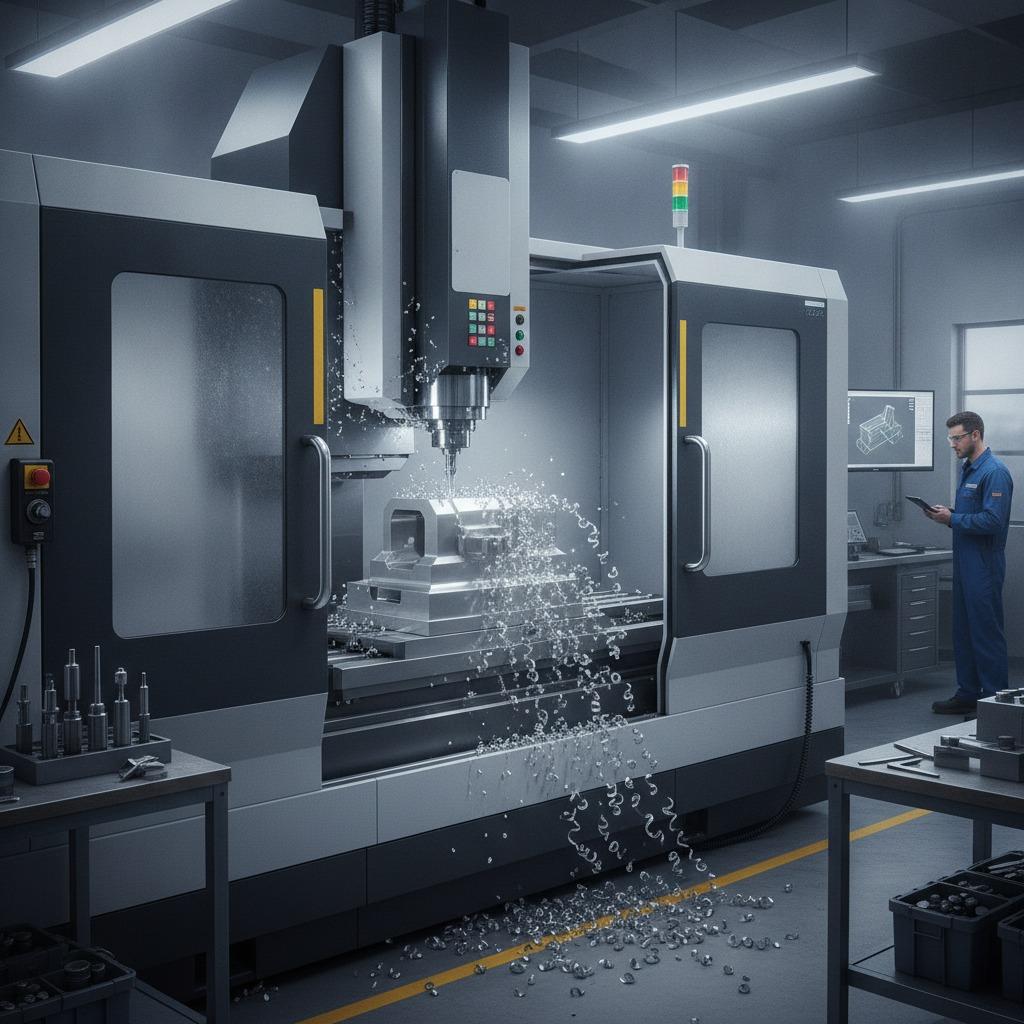
Small batch CNC machining is often used at the most critical stage of a project—when designs are still evolving, timelines are tight, and decisions made here will affect full-scale production later. Many teams focus on speed during this phase, only to encounter problems when moving to repeat orders: inconsistent dimensions, unstable costs, or the need to redesign machining processes entirely.
The key is not just producing parts quickly, but ensuring that early-stage production is aligned with future scalability from the start.
Material and Process Alignment for Early Production Runs
In low-volume CNC machining, material selection and process setup are often treated as temporary decisions. This leads to variation when scaling later.
A stable approach includes:
-
using the same material grade intended for future production
-
selecting machining strategies that can be replicated at higher volumes
-
avoiding one-off setups that cannot be repeated efficiently
By aligning early-stage machining with long-term production conditions, small batch CNC machining becomes a foundation rather than a temporary step.
Machining Strategy: Avoiding “Prototype-Only” Processes
One of the most common issues in small batch CNC machining is the use of processes that work only for prototypes but fail in production.
Typical risks include:
-
excessive manual adjustments during machining
-
non-standard tooling used to speed up initial delivery
-
tolerance settings that are not sustainable at scale
Our approach focuses on:
-
defining machining sequences that remain valid for repeat orders
-
minimizing manual intervention during production
-
structuring toolpaths for consistency rather than one-time success
This ensures that small batch CNC machining results can transition directly into scalable production.
Application Scenario 1: Product Development and Engineering Validation
Early-stage product development relies on fast and flexible machining, but uncontrolled processes often create hidden risks.
Challenges in this stage
-
frequent design revisions
-
unclear tolerance requirements
-
need for fast turnaround
Our approach
-
machining programs allow parameter-level adjustments without full reprogramming
-
critical features are identified early to avoid unnecessary over-tolerancing
-
machining feedback is used to refine design for manufacturability
This allows development teams to move forward without accumulating process debt.
Application Scenario 2: Pilot Production Before Scaling
Before mass manufacturing, pilot runs validate assembly, performance, and logistics under controlled conditions.
Challenges in this stage
-
inconsistent results between prototype and pilot runs
-
cost increases due to inefficient setups
-
delays caused by process adjustments
Our approach
-
pilot batches follow production-level machining logic
-
fixturing is designed for repeatability rather than speed alone
-
inspection focuses on trend consistency across parts
This ensures that small batch CNC machining provides reliable data for scaling decisions.
Application Scenario 3: Ongoing Low-Volume Custom Orders
Certain industries rely on continuous low-volume production rather than mass manufacturing.
Challenges in this environment
-
high variation between orders
-
difficulty maintaining cost efficiency
-
inconsistent quality across batches
Our approach
-
modular machining strategies adapt to different geometries without rebuilding processes
-
standardized inspection criteria maintain consistency
-
material sourcing is stabilized across batches
This allows small batch CNC machining to remain efficient even under changing requirements.
Measurable Impact of Structured Production Control
| Control method applied | Production outcome | Typical improvement |
|---|---|---|
| Production-aligned machining strategy | Reduced scaling issues | 20–35% reduction |
| Standardized tooling and setup | Faster repeatability | 15–30% efficiency gain |
| Functional tolerance zoning | Higher yield in pilot runs | 15–25% increase |
| Reduced manual intervention | Lower variation between parts | ~30% reduction |
| Process continuity across batches | Consistent quality | >95% conformity |
How This Supports Transition to Full Production
When small batch CNC machining is structured correctly, it becomes a controlled step toward mass production rather than a disconnected phase. Process parameters, tooling strategies, and inspection standards are already validated, reducing risk during scaling.
For engineering and procurement teams, this means:
-
faster transition from development to production
-
fewer process changes later
-
more predictable cost and delivery
Common Buyer Questions
Q: Why do prototypes work but fail during pilot production?
A: Because prototype machining often uses non-repeatable processes that are not suitable for scaled production.
Q: Can low-volume machining reduce overall project cost?
A: Yes, when aligned with production processes, it reduces redesign, rework, and scaling risk.
Q: How can I ensure consistency in repeat small-batch orders?
A: By working with a supplier that applies production-level process control even in early-stage machining.
Conclusion and Next Steps
Effective small batch CNC machining is not just about speed, but about building a stable bridge between design and production. When material selection, machining strategy, and process control are aligned from the beginning, early-stage production delivers reliable results and supports smooth scaling.
To review CNC machining capabilities and production support, visit:
👉 https://jinglefix.com/
If you are preparing prototypes, pilot batches, or customized CNC parts and want to ensure smooth transition to production without rework or delays, early technical coordination can significantly improve project outcomes:
👉 https://jinglefix.com/contact-us