Understanding Plastic Nylon Washers
Plastic nylon washers are essential components in various mechanical and industrial applications, prized for their durability and versatility. Made from high-quality nylon material, these washers provide a reliable seal and cushioning between fasteners and surfaces, preventing damage from vibration or corrosion. In industries like automotive, electronics, and construction, plastic nylon washers ensure secure assemblies without the weight or conductivity issues of metal alternatives. Their lightweight nature makes them ideal for applications where space and efficiency matter.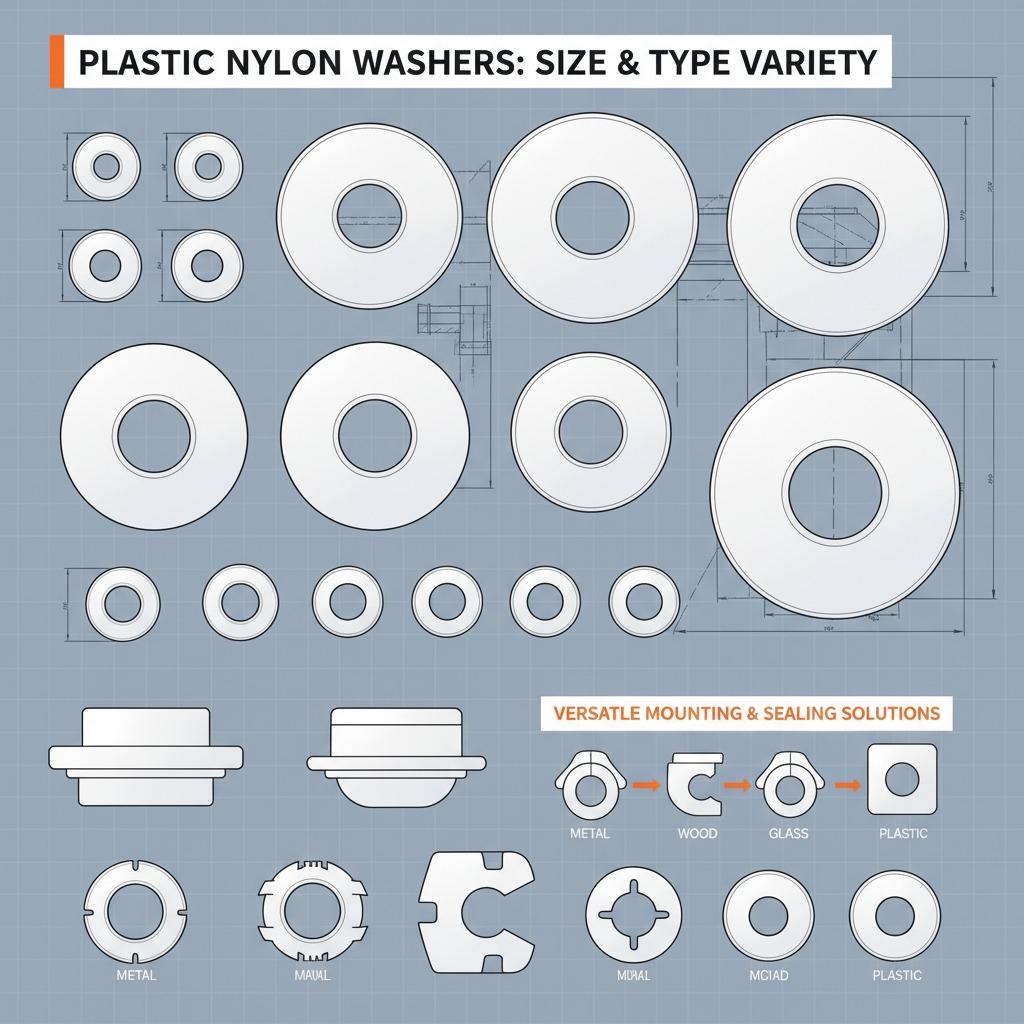
Key Benefits of Using Plastic Nylon Washers
One of the primary advantages of plastic nylon washers is their resistance to chemicals and moisture, which extends the lifespan of equipment in harsh environments. Unlike metal washers, they don't rust, making them perfect for outdoor or marine settings. Additionally, plastic nylon washers offer excellent electrical insulation, safeguarding sensitive circuits in electronic devices. They are also cost-effective, reducing overall project expenses while maintaining high performance. Engineers appreciate their flexibility, allowing for easy installation and removal without stripping threads.
Applications and Versatility
Plastic nylon washers find use in a wide array of scenarios, from securing plumbing fixtures to stabilizing machinery parts. In the automotive sector, they help absorb shocks in suspension systems, enhancing ride comfort and safety. For DIY enthusiasts, these washers are invaluable in home repairs, such as assembling furniture or mounting shelves, where their non-abrasive surface protects delicate materials. Available in various sizes and thicknesses, plastic nylon washers can be customized to fit specific needs, ensuring a snug fit every time.
Choosing the Right Plastic Nylon Washers
Selecting the appropriate plastic nylon washers involves considering factors like load-bearing capacity, temperature tolerance, and compatibility with other materials. High-grade nylon variants withstand temperatures up to 250°F, suitable for demanding conditions. It's advisable to source them from reputable suppliers to guarantee quality and consistency. By opting for UV-resistant options, users can prevent degradation in sunlight-exposed applications. Proper storage in a cool, dry place maintains their integrity, ensuring long-term reliability.
Maintenance and Longevity Tips
To maximize the effectiveness of plastic nylon washers, regular inspections for wear and tear are recommended. While inherently low-maintenance, cleaning them with mild soap and water removes debris that could compromise their sealing properties. In high-vibration environments, pairing them with lock nuts enhances stability. Overall, investing in quality plastic nylon washers not only streamlines assembly processes but also contributes to safer, more efficient operations across diverse fields.