Which Screws Work Best? A Practical Guide for Drywall, Wood, and Deck Applications
Whether you're sourcing for a construction project, a furniture line, or outdoor assembly kits, one question matters:Are you using the right screw for the right task?Misuse can lead to damaged material, corrosion, or failure under load. This guide explains how to differentiate and select the right type of screws —drywall,wood, anddeck— based on performance, reliability, and real application needs.
Drywall Screws: Precision for Interior Wall Installation
Problem: Inconsistent embedding depth, surface paper tears, and long-term wallboard instability are common issues when using general-purpose screws for drywall.
Solution: Drywall screws are designed with bugle heads to sit flush and reduce tear-out, along with fine or coarse threads optimized for gypsum or wood studs. Jingle suppliesself-drilling drywall screwswith phosphate coatings, ideal for interior applications and automatic screw gun use.
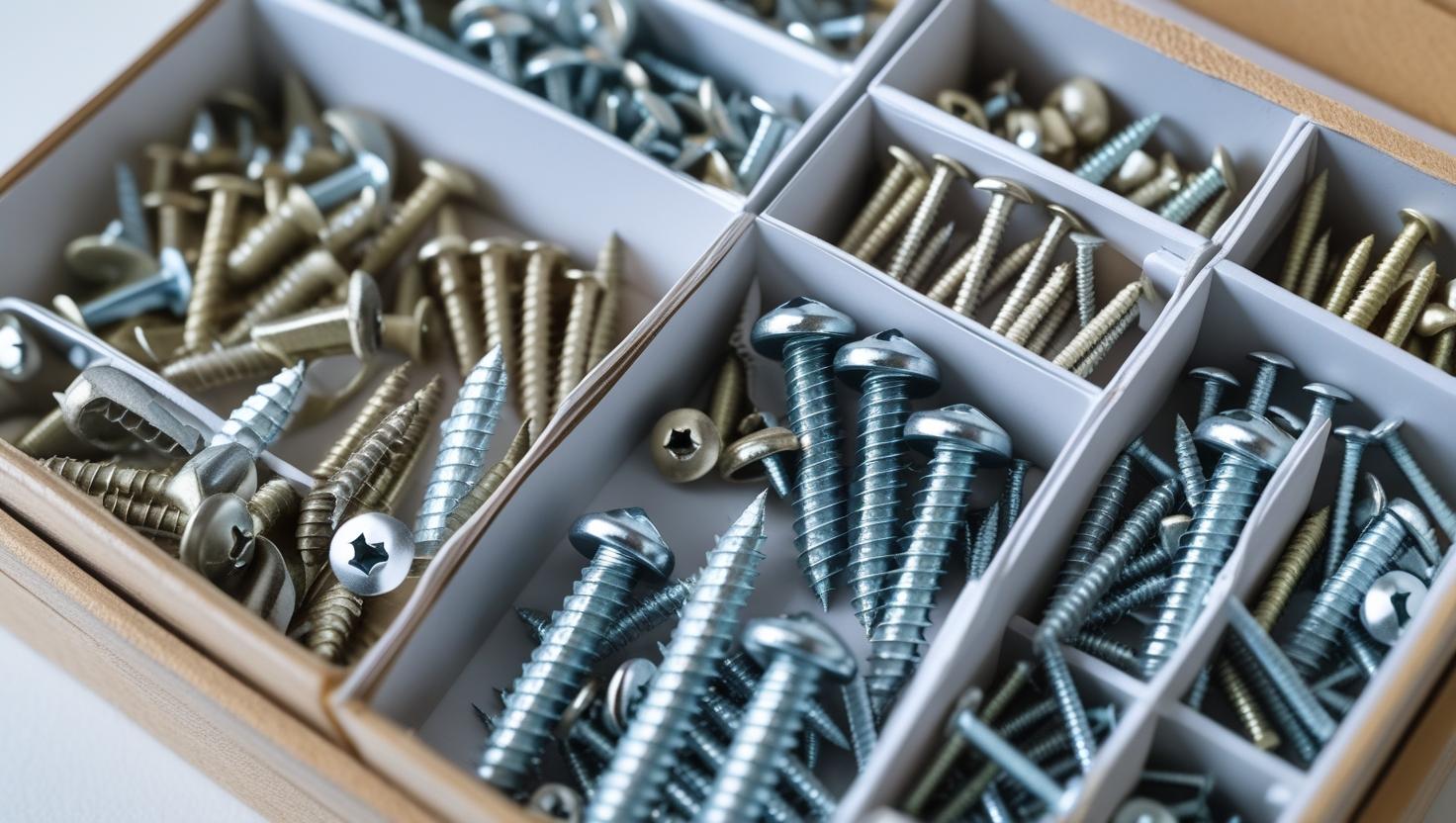
Scene: Interior builders often requestbulk drywall screw kitswith consistent lengths (25mm, 38mm, 50mm), pre-sorted inOEM-labeled boxesto match project BOM requirements. All packaging isbarcode-ready, compatible with warehouse systems.
Wood Screws: Grip Strength with Less Splitting
Problem: Wood materials, especially hardwood and MDF, are prone to splitting or stripping if the wrong thread type is used.
Solution: Wood screws have partially threaded shafts that pull materials tight without cracking. Options likecountersunk heads,sharp point tips, andzinc or brass finishesincrease versatility. For tough materials, we offerhardened steel wood screwswith reinforced drive heads.
Scene: Furniture factories and pallet manufacturers typically orderOEM wood screw setscustomized by shank diameter and finish (black oxide, yellow zinc). Jingle offerskitting servicesfor retail-ready combo packs orproject-specific assortments.
Deck Screws: Built for Outdoor Exposure
Problem: Outdoor assemblies face threats like rain, UV, and pressure-treated timber chemicals — all of which accelerate rust or screw failure.
Solution: Deck screws are built forcorrosion resistance, often coated withceramic or epoxy finishes, and featureType-17 pointsfor self-drilling into treated wood. Jingle providesrust-resistant deck screwscertified for exterior use and salt spray tested to exceed 500h.
Scene: Construction suppliers sourcebulk deck screwswithsquare or star drive headsfor reduced cam-out. Commonly used in fencing, outdoor flooring, and pergolas, deck screws are offered in neutral,custom-printed cartonsfor wholesalers.
Integrated Solutions: From Packaging to Export
Jingle isn’t just a screw supplier. We provide aturnkey OEM solution, including:
-
Screw type kits tailored by usage (interior, furniture, outdoor)
-
Neutral cartons,heat-sealed polybags, orPET retail boxes
-
Export-ready documents: CO, CI, PL, HS labels
-
Support for Amazon, retail, or B2B wholesale models
Our QC workflow coverswire drawing → heading → thread rolling → heat treatment → surface coating → packaging → inspection. Every screw is tracked to its batch and meets CE/ISO/ROHS export compliance.
Choose Smart, Build Safer
If you're in the business of supplying screws, accuracy matters. The wrong fastener isn’t just a waste — it can be a liability. Choosing between drywall, wood, and deck screws isn’t just about cost, butfit-for-purpose performance.
Jingle helps global buyers source the right screws at scale, backed by real factory capability and OEM flexibility.
Explore ourproduct catalogorcontact us for custom OEM kits.
Let your fasteners work harder — not your sourcing team.