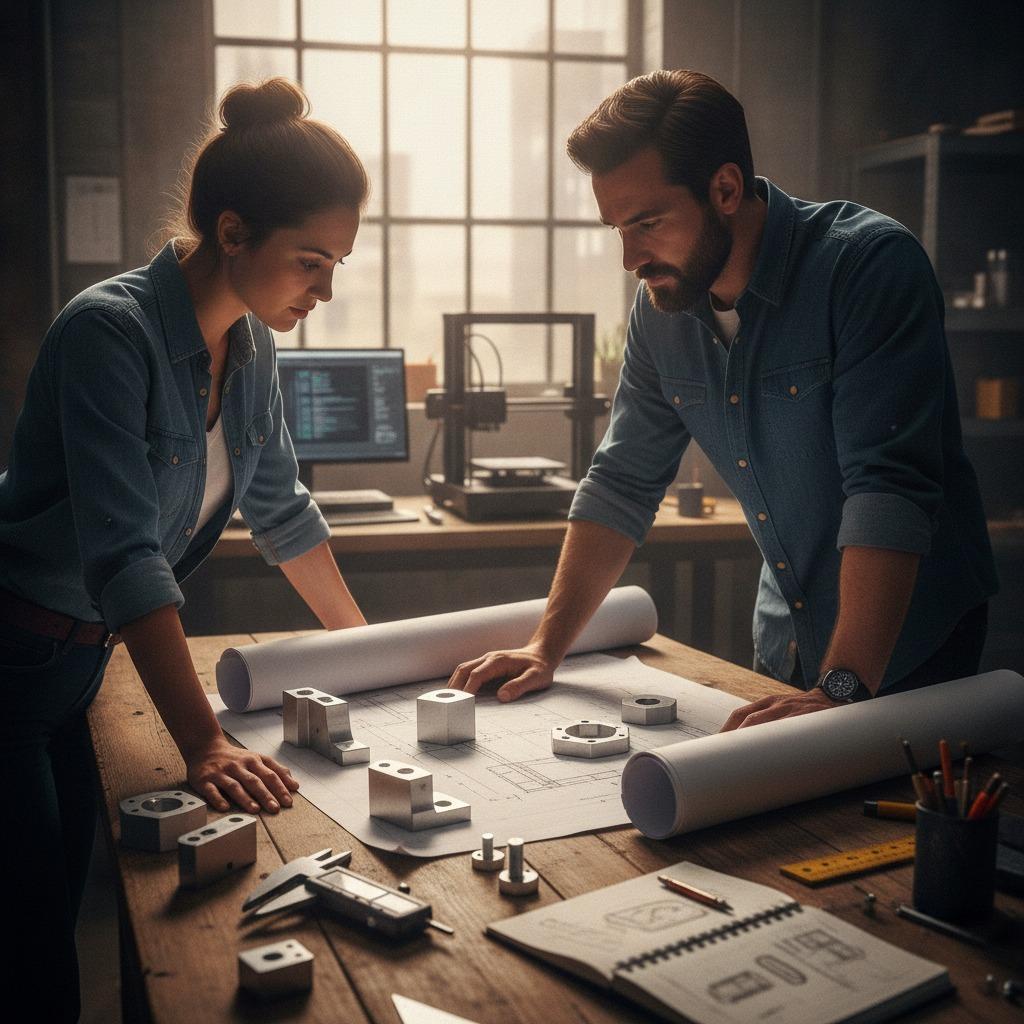
What Buyers Really Need to Know About a CNC Machining Part
A cnc machining part is rarely just a drawing turned into metal. For engineers, sourcing managers, and product teams, it is a decision point that affects fit, repeatability, cost, and sometimes the whole pace of a launch. The challenge is that two parts can look similar on paper and behave very differently in production. A pocket may be easy to machine but expensive to inspect. A thin wall may meet the print in the prototype stage and turn troublesome once quantity climbs. That is why buyers who understand the basics usually avoid the worst surprises.

The real question is not only “Can this part be machined?” but “What is the most sensible way to make it, inspect it, and scale it without creating avoidable risk?” That is the lens worth using before you send out a request for quotation.
Why the Machining Method Matters
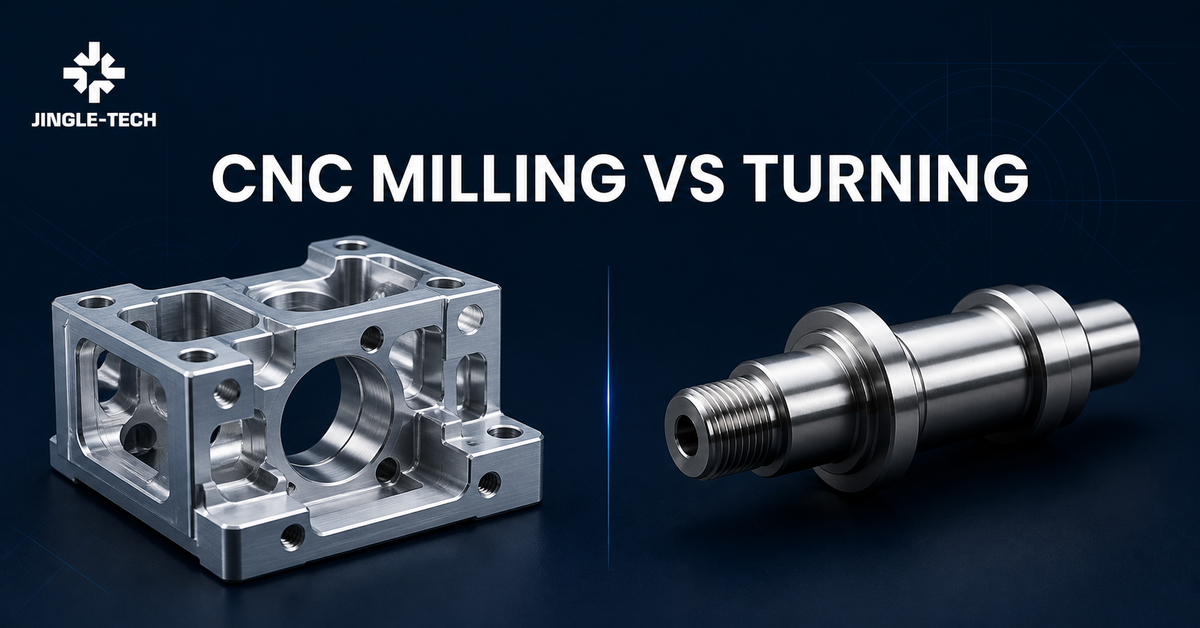
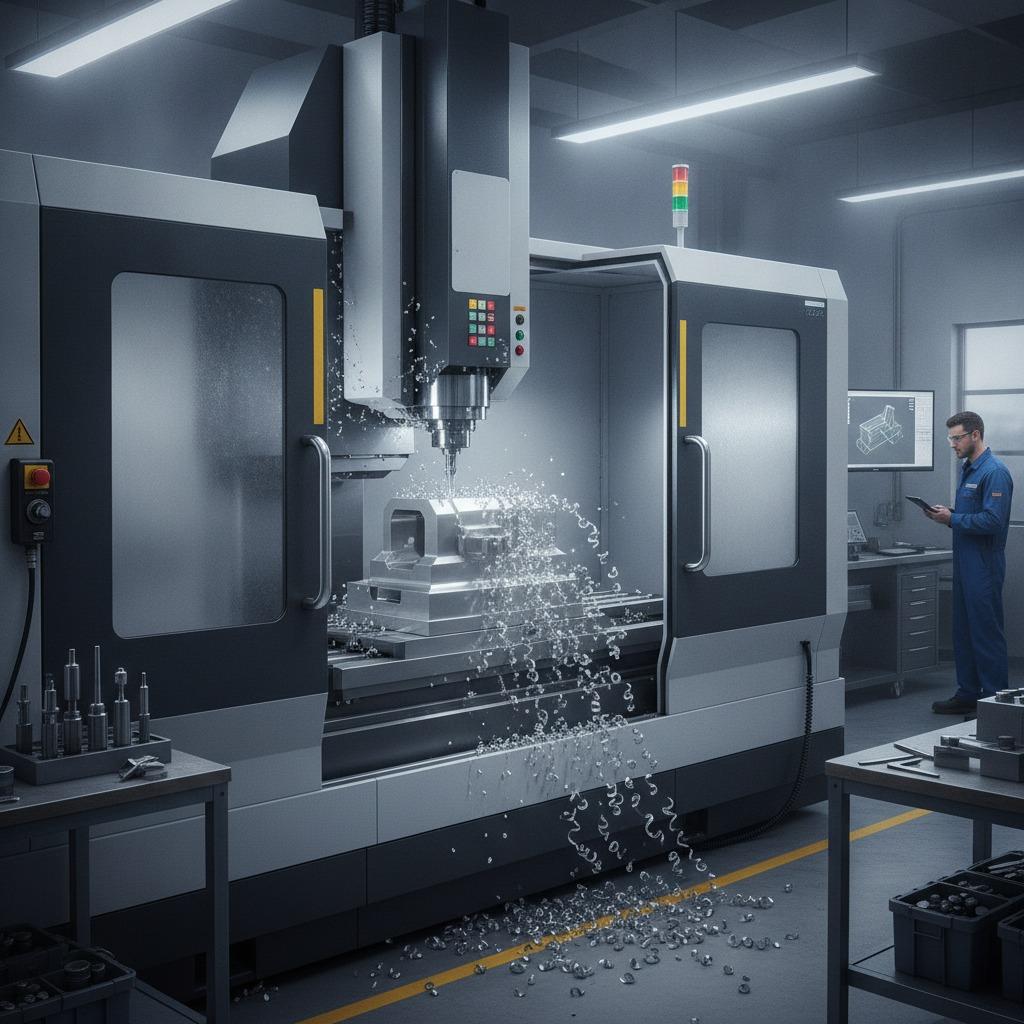
CNC machining remains popular because it offers flexibility across metals and plastics, and it suits both one-off parts and repeat production. Still, the method chosen has a direct effect on cost and manufacturability. A simple milled block is a different story from a deep cavity, a threaded housing, or a part with multiple setups. More axes can reduce handling, but they do not remove physics. Tool access, chip evacuation, and workholding still matter.
For buyers, this is where practical judgment pays off. A part that looks elegant in CAD may require special fixtures, extra deburring, or secondary operations. Those details do not always appear in the first conversation, yet they often drive final quality and schedule.
Common Features That Change the Job
When evaluating a cnc machining part, a few features deserve close attention:
Wall thickness: Thin walls can be machined, but they may distort or vibrate during cutting. If the part must stay flat, that should be stated clearly.
Internal corners: Sharp corners are usually a red flag in machining because cutters leave a radius. If a corner must be square for assembly, the drawing may need to account for that reality.
Threads and tapped holes: These are common, but thread depth, location, and material all affect tool wear and pull-out risk.
Surface finish: A finish requirement is not cosmetic alone. It can affect sealing, sliding fit, appearance, and post-processing.
Material Choice Is Not a Side Note
Material selection often determines how well the part can be produced and how long it will last in service. Aluminum is widely used because it machines efficiently and is light. Stainless steel brings better corrosion resistance in many applications, though it can be slower to machine. Brass may be chosen for electrical or plumbing-related components. Engineering plastics can reduce weight and simplify certain designs, but they have their own behavior under heat and load.
There is a practical caution here: the best material on paper is not always the best material for the supply chain. If the part will be made in volume, the team should think about raw stock availability, machining time, and whether the chosen grade is stable enough for repeated use. A dependable part is usually the result of balanced tradeoffs, not a heroic material choice.
What a Good RFQ Should Clarify
Many sourcing problems begin with an incomplete request. A good RFQ for a cnc machining part should make it easy for the supplier to answer the real questions:
What is the annual or batch volume?
Which dimensions are critical to function?
Are there cosmetic requirements or only functional ones?
Will the part need anodizing, plating, passivation, or another finish?
Are there edge-break, deburring, or cleanliness expectations?
Buyers sometimes assume the print says everything. In practice, it rarely does. A short note about mating surfaces, load paths, or sealing zones can prevent a lot of back-and-forth and, frankly, some avoidable scrap.
Prototype vs. Production: Different Expectations
Prototype machining and production machining are related, but they are not identical jobs. A prototype often tolerates more manual intervention, while production needs consistency. That means a part that is fine in a one-off test may still need design refinement before it is ready for stable supply.
This is especially important when the part includes multiple faces, deep pockets, or compound geometry. The first sample can validate form and function, but production asks a second question: can the same quality be repeated without heroic effort? If the answer is unclear, the design may need adjustment.
How Buyers Can Compare Suppliers More Usefully
Price matters, but it should not be the only comparison. A better way to evaluate suppliers is to ask how they approach process planning, inspection, and problem solving. Do they flag difficult features early? Do they suggest sensible design-for-manufacture changes without overreaching? Can they explain where setup time is being spent?
Those answers often tell you more than a low quote. A supplier that notices a risky tolerance stack-up or a hard-to-reach internal surface is saving time later, even if the first estimate looks less aggressive.
Common Mistakes to Avoid
One frequent mistake is over-specifying every dimension. That can make the part more expensive than necessary and sometimes harder to inspect. Another is ignoring edge conditions, such as burrs, small radii, or surface marks on noncritical areas. Teams also get into trouble when they assume “machined” automatically means “ready to assemble.” Finishing steps and cleaning still need to be spelled out.
One more buyer-facing warning: if a part will interface with another supplier’s component, check the fit logic early. Small differences in interpretation can turn into delays that are expensive to unwind.
A Practical Next Step
If you are sourcing a cnc machining part, start by reviewing the drawing with manufacturing in mind, not just design intent. Mark the truly critical features, identify any tricky geometry, and decide what level of finish or secondary work is actually necessary. Then ask suppliers how they would make the part, not only what they would charge for it.
That small shift usually leads to better quotes, fewer revisions, and a cleaner path from prototype to production. It also helps teams make a more grounded decision: whether the part should be simplified, held to a tighter process, or scheduled with a supplier that can absorb the complexity without drama.