Hex Nut Buying Guide: What Engineers and Buyers Should Look For
A Hex Nut looks simple on a drawing, but in production it can be one of the small parts that decides whether an assembly stays reliable or becomes a service headache. Engineers specify it to hold clamp load, sourcing teams buy it in volume, and manufacturing teams discover the hard way that not every nut behaves the same once torque, vibration, plating, and installation speed enter the picture.
If you are comparing fasteners for a new build or a design refresh, the real question is not just “which nut fits the bolt?” It is which option will carry the load, survive the environment, and still be practical to source at the quality level your line needs. That is where a clear understanding of nut type, material, finish, and geometry pays off.
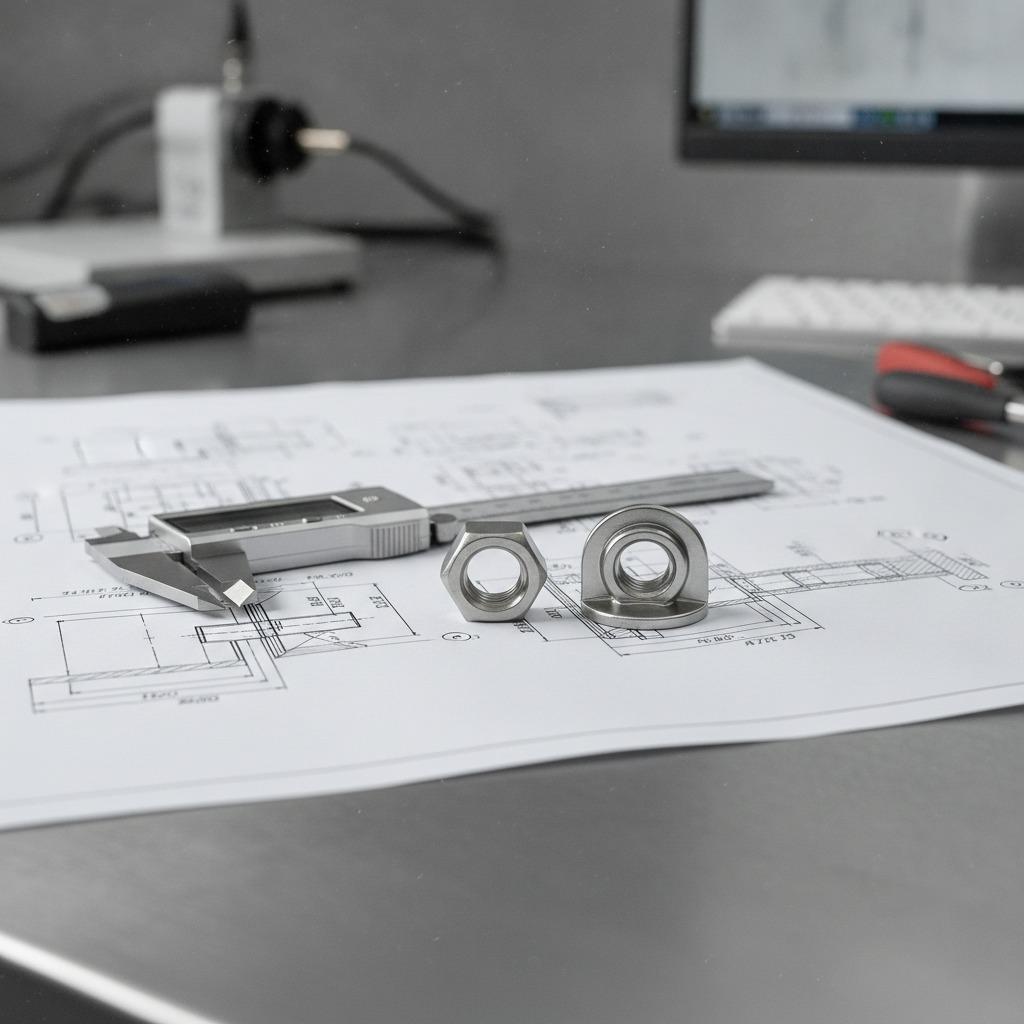
Why the shape matters more than it first appears
The six-sided profile is what makes the hex nut so familiar. It gives a wrench or socket multiple flats to grip, which is useful in assembly and maintenance. In busy plants, that matters more than it sounds. A fastener that is easy to tighten consistently is also easier to audit, easier to replace, and less likely to slow a line when a field repair comes up.
That said, the profile alone does not define performance. Thread fit, surface condition, material strength, and corrosion resistance all influence whether the joint holds up over time. For buyers, this means the cheapest part is not necessarily the lowest-risk part. For engineers, it means a nut choice should be tied to the full joint design, not treated as a commodity afterthought.
Hex Nut versus Flange Nut
One common comparison is the Flange Nut versus a standard hex nut. A flange nut adds a wider bearing surface under the head, which can help distribute load and reduce the need for a separate washer in some assemblies. In practice, that can simplify a bill of materials and speed installation.
A standard hex nut, however, is still the better fit in many cases. It is widely available, familiar to technicians, and works well when the joint design already includes a washer or a machined bearing surface. If your application depends on tight packaging, frequent service access, or standardized hardware across multiple assemblies, the plain hex form often remains the safer default.
Common material and finish choices
Most purchasing decisions start with material. Carbon steel is widely used where strength and cost control matter. Stainless steel is often chosen where corrosion resistance is a priority, especially in outdoor, washdown, or humid environments. Brass and other nonferrous options may appear in electrical or decorative applications, though they are less common in heavy mechanical service.
Finish matters too, even when it is easy to overlook on a part that is mostly hidden. Zinc plating is often used for general corrosion protection. Other coatings may be selected for appearance, friction behavior, or environmental performance. A practical caution: coating changes can affect torque-tension behavior, so a fastener that looks interchangeable on paper may not behave identically in the field.
Selection factors that actually affect performance
Thread compatibility
Matching thread size and pitch sounds obvious, but mismatches still happen in mixed sourcing environments. Metric and imperial systems can coexist in the same plant, and that is where mistakes slip in.
Load and vibration
If the assembly sees vibration, repeated cycling, or shock loading, the nut choice should be reviewed alongside the bolt, joint stack-up, and any locking feature. A standard hex nut may be enough in a stable, low-vibration assembly, but not every machine lives in that world.
Installation method
Hand tools, impact tools, and automated tightening stations each introduce their own constraints. Some nuts are friendlier to one process than another. Buyers should confirm that the chosen fastener works with the actual assembly method, not just the CAD model.
Typical mistakes in sourcing
The most common mistake is treating all nuts of the same size as equivalent. Another is ignoring the environment until rust shows up in the field. A third, less glamorous problem is documentation drift: the drawing says one thing, the approved supplier data says another, and the line keeps buying whatever is available.
It also helps to avoid over-specifying when the application does not need it. A harder material or more exotic finish can add cost and complexity without adding meaningful value. On the other hand, under-specifying a critical joint can create hidden downtime later. The better choice is the one that matches the actual duty cycle.
Practical advice for engineers and sourcing teams
Before locking in a fastener choice, ask three questions: What is the load condition? What environment will the joint see? How will the part be installed and serviced? Those questions usually expose whether a standard hex nut is enough or whether a flange-style option, a different material, or a locking feature is worth considering.
For procurement teams, consistency is just as important as unit price. Stable supply, clear specifications, and predictable packaging can matter more than a small savings on paper. Fasteners are low-cost parts, but they can create high-cost problems when the wrong variation enters the stream.
Frequently asked questions
When is a hex nut the best choice?
It is often the best choice when you need a familiar, widely available fastening solution for general mechanical assemblies.
Should a flange nut replace every hex nut?
No. A flange nut can reduce the need for a washer in some designs, but it is not a universal upgrade.
What should buyers verify first?
Start with thread size, material, finish, and the assembly environment. That short checklist eliminates many avoidable sourcing mistakes.
Next step
If you are reviewing fasteners for a new build, a cost-down exercise, or a supplier consolidation project, define the joint requirements first and then compare nut styles against that reality. The right decision is usually less about the nut alone and more about how the whole assembly is expected to behave once it leaves the factory floor.