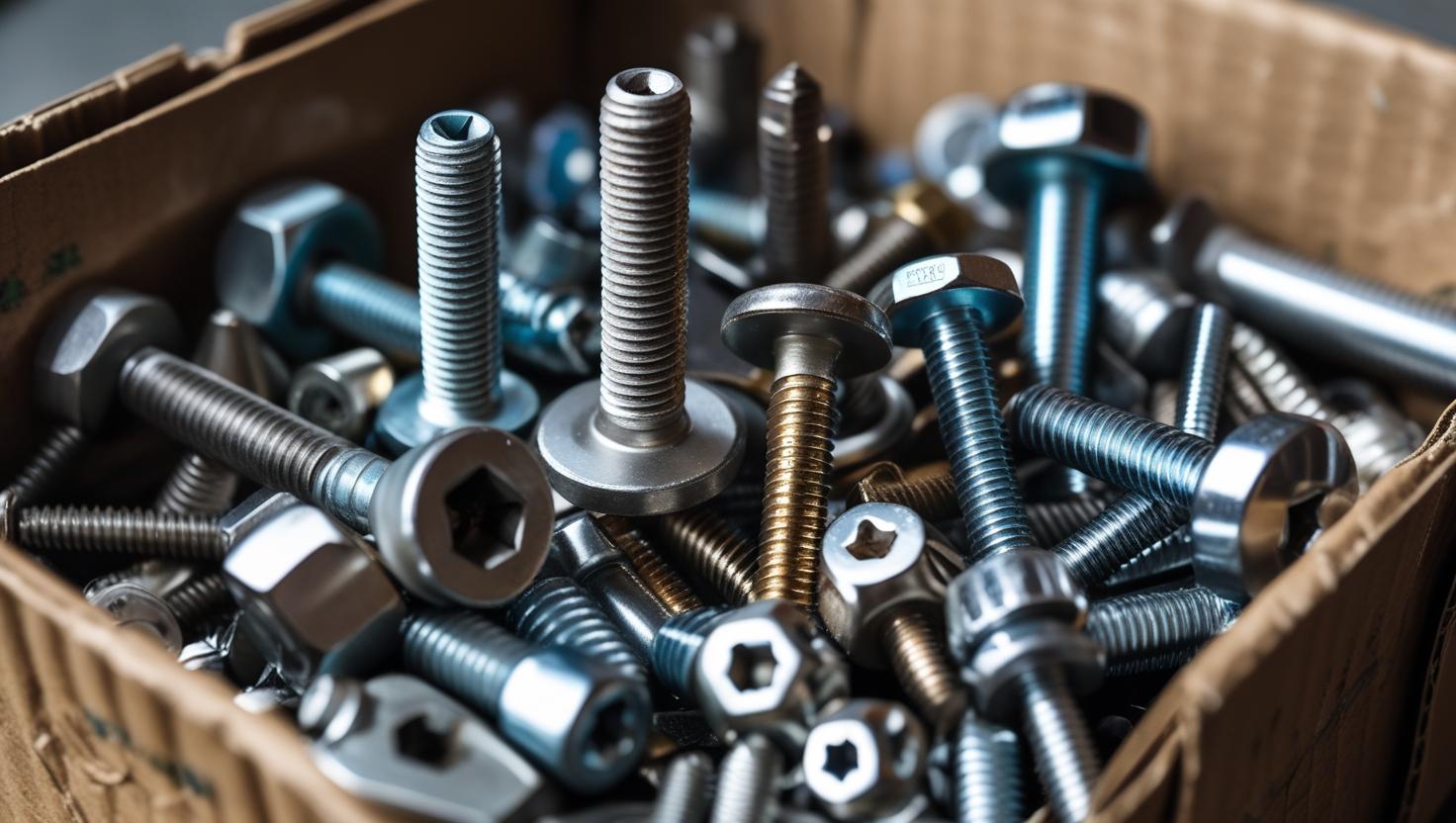
Why Your Project Needs the Right Screws: A Real-World Guide to Machine, Metal, and Thumb Screws
Selecting the right screw type isn’t just about head style or thread—it’s about long-term performance, worker efficiency, and avoiding post-installation failures. If you’re sourcing for export kits, OEM lines, or replacement parts, the real advantage comes from both the product and the supplier’s ability to meet usage requirements with precision.
Machine Screws: Precision Fastening for Industrial Reliability
Common Use Cases
-
Electrical enclosures
-
Robotic arms
-
Control panels
-
Medical device housing
Why It Matters
Machine screws are made for threaded holes or paired nuts. In industrial equipment, improper torque or size mismatch can cause thread stripping or uneven pressure on sensitive electronics.
OEM Advantage
A quality supplier provides consistent thread tolerance (±0.05 mm), material certification, and torque test results. Screws are pre-labeled by spec, bagged in unit quantities, and include datasheets to reduce confusion during line installation.
Metal Screws: Durable Grip for Sheet and Structural Materials
Common Use Cases
-
HVAC panel mounting
-
Automotive chassis
-
Appliance back panels
-
Electrical box installation
Why It Matters
Metal screws—often self-tapping—must create threads and hold under vibration or thermal change. Poor coating can lead to corrosion within weeks, especially in aluminum or outdoor environments.
OEM Advantage
Suppliers offering zinc-nickel plating, hex-flange heads, and anti-corrosion coatings reduce failure rate. Some provide heat and humidity testing reports as part of the QC package, ensuring the screws will last in field conditions.
Thumb Screws: Tool-Free Convenience for Maintenance-Friendly Design
Common Use Cases
-
Server rack mounting
-
Test benches
-
Laboratory devices
-
Light fixtures
Why It Matters
Thumb screws allow frequent, manual adjustments without tools. However, poor knurling or thread inconsistency often causes user discomfort or misalignment.
OEM Advantage
High-precision knurling, nickel plating, and optional captive thread keepers enhance usability. Suppliers can deliver pre-kitted sets for product maintenance packages with printed instruction labels for non-technical users.
Real Supplier Advantages Go Beyond the Screw Itself
What sets top-tier OEM screw suppliers apart isn’t just product catalog—it’s the packaging, consistency, and export-readiness that saves time and cost.
Key Value-Adds to Look For
-
Export-ready packaging: neutral cartons, polybags, clear English labels
-
Full document set: Certificate of Origin, Commercial Invoice, Packing List
-
Customizable kits: mix types/sizes per order with low MOQ
-
Batch control: laser marking or barcode tracking for each lot
-
Material traceability: SS304, SS316, carbon steel with full mill test certificates
-
Global delivery support: familiar with import compliance and documentation
Choose the Right Screw—and the Right Partner
Whether you're sourcing for robotic assembly lines, steel-frame HVAC systems, or server racks, the type of screw you choose—and the supplier you work with—can make or break the project.
For engineered fasteners that actually meet your specs, and export kits that reduce assembly errors, check out ourproduct solutionsorget in touch herefor detailed kits and technical support.
Don't settle for generic. Choose solutions built for real-world results.