From Factory to Field: Choosing Nut Kits That Perform Under Pressure
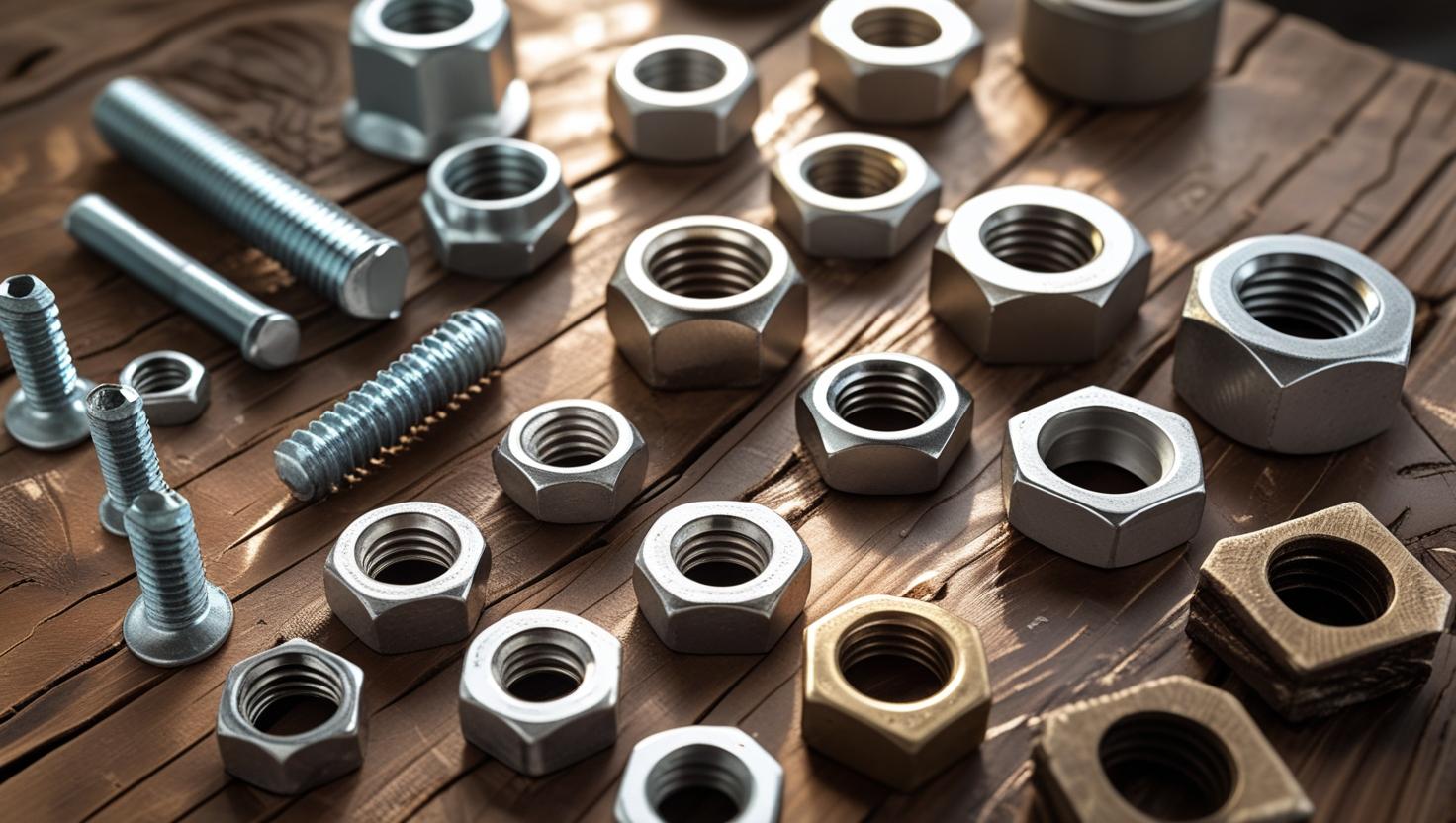
When your operations depend on consistent fastening solutions—whether for construction scaffolding, turbine assemblies, or export-ready kits—choosing the rightnut factory kitisn’t just a procurement decision. It’s a performance commitment.
In rugged environments, every component matters.Loose tolerances, weak materials, or mismatched specscan cause delays, maintenance issues, or even safety hazards. That’s why more global buyers are switching tofield-tested OEM nut kitsfrom trusted manufacturers like Jingle.
Why Industrial Buyers Need More Than Just "Nuts"
For teams infield installationorequipment maintenance, fasteners aren't just accessories—they're essential structural elements. We’ve worked with project managers who reported project stalls due to:
-
Thread incompatibilitywith bolts sourced from other suppliers
-
Corrosionfrom poor plating on hex nuts used in outdoor rigs
-
Packaging disorganization, leading to job site inefficiency
Jingle solves these problems by offeringnut factory kitsthat are:
-
Matched by thread and torque requirements
-
Packed by set type for easy identification
-
Coated for corrosion resistance (zinc, black oxide, HDG)
-
Labeled and documented with international shipping compliance
Real-World Scenario: Construction Site Kit Optimization
A recent customer managing acoastal construction siterequiredM12 galvanized hex nuts, pre-sorted by application—some for foundation anchor bolts, others for top-frame assemblies.
We delivered:
-
Customnut factory kitswith moisture-resistant packaging
-
Labeled pouches by component function
-
Export documents includingCO,packing list,invoice, andHS code declaration
-
TUV-tested batch report to satisfy local contractor compliance
This not only simplified their on-site logistics but also reduced inventory loss by 12% over the previous year.
Kit Configurations Built for Work, Not Just Display
Unlike generic mixed nut sets, ourindustrial nut kitsare purpose-built:
| Kit Type | Common Use | Typical Contents |
|---|---|---|
| Power & Utility Maintenance Kits | Field teams repairing power systems | Lock nuts, spring washers, flange nuts |
| Construction Anchor Kits | Precast and site-pour anchoring | Heavy-duty hex nuts, flat washers |
| Retail-Ready Kits | Hardware stores and online sales | Brass and stainless assortments in labeled boxes |
| Automotive Repair Kits | Garages and fleets | Flanged lock nuts, high-strength OEM nuts |
All kits are designed based on actual workflows, not just catalog options.
The Jingle Advantage: From Engineering to Export
We go beyond being anut factory parts supplier. What sets Jingle apart is our ability tointegrate design, material sourcing, and export servicesinto one streamlined supply solution:
-
Material options: Carbon steel, stainless steel, brass, zinc alloy
-
Custom toolingfor unique thread types or head profiles
-
OEM brandingon kit boxes or bags
-
Export-ready packagingwith English labels and barcode systems
-
Strict QC processfrom torque testing to salt spray resistance
Whether you’re building fordistribution,project deployment, orresale, our kits arriveready for use—not repackaging.
Ready to Upgrade Your Nut Supply?
Your team doesn’t have time for inconsistent inventory, weak components, or poor documentation. Jingle’snut factory kitsare engineered for pressure—built in the factory, and ready for the field.
Explore our full product range on ourofficial homepage, orreach out herefor custom kit recommendations, bulk quotes, or compliance documentation.