Not All Nuts Are Equal: How OEM Nut Kits Solve Real Assembly Problems
Fastening issues are often underestimated—until they delay production or compromise safety. For buyers and technicians who work across industries like HVAC, heavy machinery, or automotive repair, one-size-fits-all nuts often don’t cut it. That’s why more professionals are turning toOEM nutsandcustom nut kitsto get the exact fit, strength, and performance they need.
When Standard Nuts Fail in Real Applications
Imagine an equipment repair team working in the field. They’ve brought a general-purpose nut kit. Halfway through the job, the nuts are either too long, too loose, or don’t hold torque under vibration. It’s a common story.
Many industries require nuts that go beyond standard specs:
-
High-vibration environments(e.g., compressors, motors)
-
Precision clearancein tight housings (e.g., electronics)
-
Specific coatingsfor corrosion resistance
-
Metric/imperial cross-compatibilityfor global supply chains
Jingle helps buyers solve these issues by offering nuts tailored to the job—not just what's on the shelf。
What Makes a Good Nut Kit?
A well-designednut custom kitdoesn’t just offer variety—it offersfunctionality. Whether bundled for assembly lines, toolboxes, or field maintenance kits, a good nut kit:
-
Matches yourbolt specs and load needs
-
Includesmultiple thread types or sizes(clearly labeled)
-
Usesdurable packagingfor transport and storage
-
Comes withtraceabilityand batch quality control
One client in the agricultural equipment sector received a kit containing 6 nut types, each optimized for specific torque specs. This reduced their machine assembly error rate by 30% in the first month.
Jingle’s Edge in Custom and OEM Nut Solutions
Here’s what sets us apart when it comes toOEM nutandcustom kitorders:
-
Technical collaboration:You share the usage case, we adjust size, shape, material or coating
-
Flexible batch production:Whether you need 10,000 or 100,000 units, we scale accordingly
-
Full export-ready packaging:Neutral cartons, English labeling, detailed packing list
-
Documentation support:CO, CI, PL, and any customs forms you need
Our nuts aren’t repackaged catalog items—they’re made from scratch to solve real-world fastening problems.
Application Snapshot: Maintenance Kits for Public Infrastructure
An EU-based infrastructure contractor needed custom kits for tunnel ventilation system maintenance. Requirements included:
-
Stainless steel locking nuts
-
Nylon inserts for anti-loosening
-
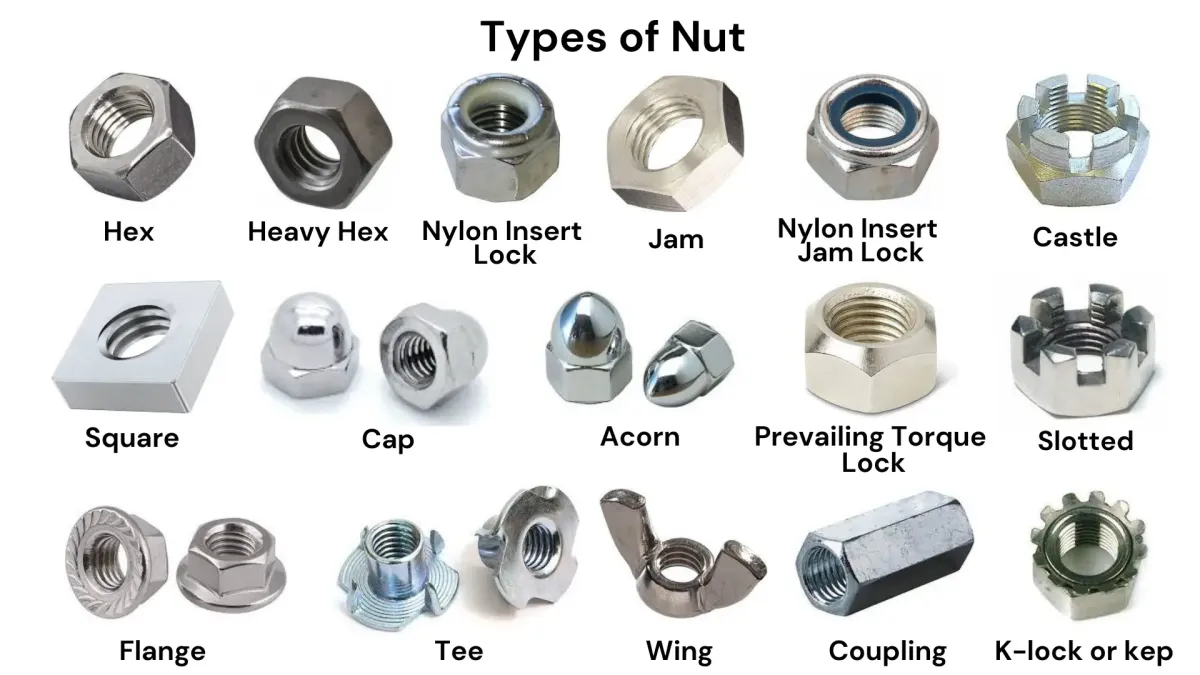
Hex and wing nut mix
-
Labeled polybags with instruction guides
Jingle produced and delivered 8,000 field kits, each meeting ISO 898-2 specs. Result:repairs were completed on schedule, with zero field failures reported after 9 months.
Choose Kits That Fit the Job—Not Just the Shelf
Choosing a nut supplier isn’t just about bulk pricing—it’s about gettingnuts that work the first time. If your business is struggling with inconsistent specs, unclear sourcing, or fitment issues, it’s time to rethink your approach.
At Jingle, we help global buyers cut costs—not quality—with customized nut kits that match your equipment, your team, and your schedule.
Visitjinglefix.comto explore more orcontact us herefor a custom quote.