Why OEM Rivets and Wholesale Parts Matter More Than You Think
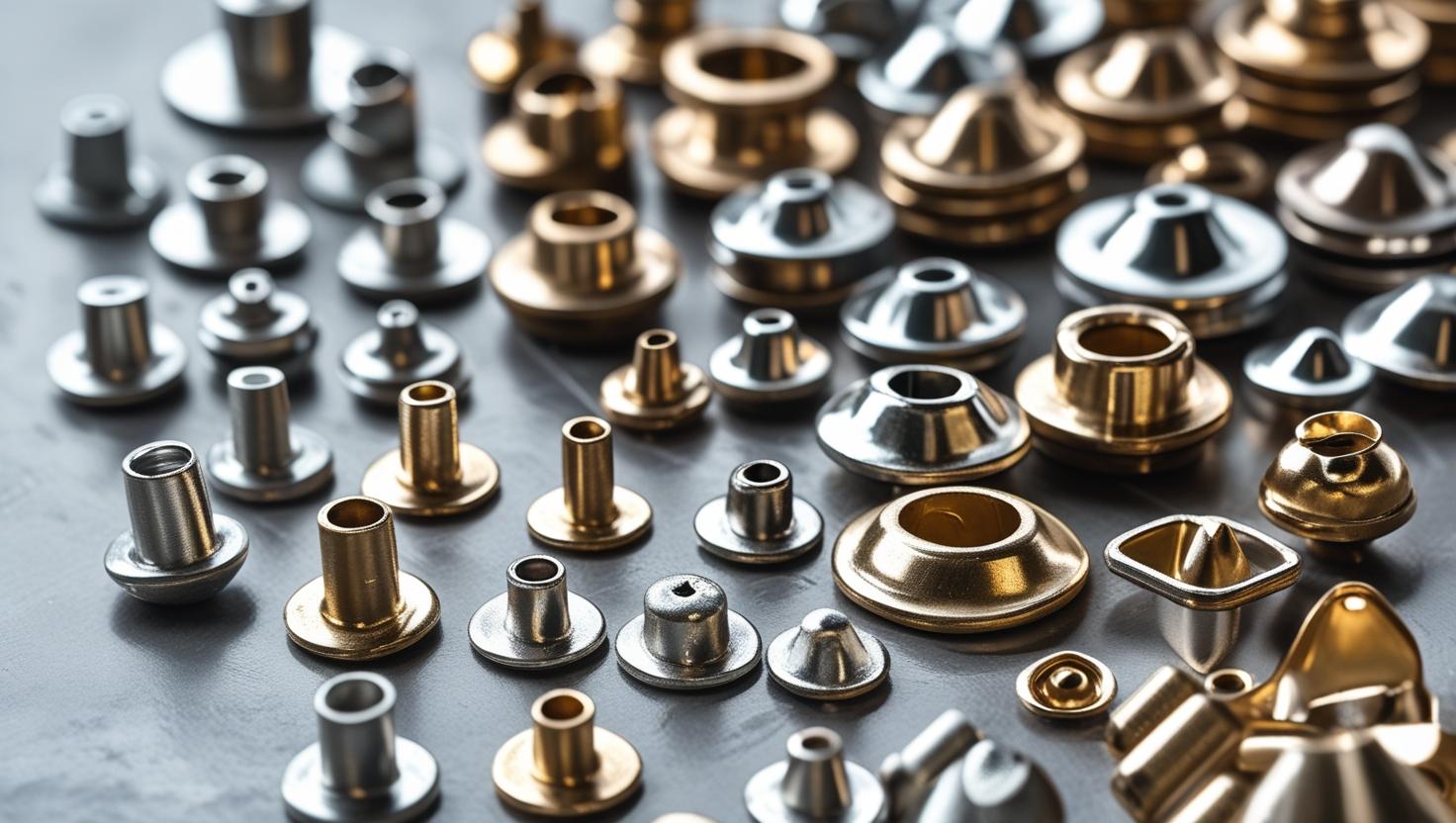
For many industries—automotive, machinery, HVAC, and electrical—the quality of rivets directly impacts assembly integrity. While often overlooked,inconsistent rivet supplycan lead to downtime, structural weaknesses, or excessive rework. Industrial buyers and distributors increasingly turn toOEM rivet suppliersandwholesale part kitsto streamline their production and inventory workflows.
Common Sourcing Challenges and Real Impacts
Based on Jingle’s long-term cooperation with international clients, we’ve observed five key pain points:
-
Unstable qualitydue to inconsistent raw material control
-
Limited diameter and head type optionsin generic market offerings
-
Kits missing clear labeling, causing identification errors on the line
-
Packaging damage during transit, resulting in material loss
-
Lack of full export documentation, delaying customs clearance
These aren’t isolated incidents—they happen frequently to buyers importing rivets without a robust sourcing partner. The result? Hidden costs that reduce your overall competitiveness.
What You Gain from an OEM Rivet Manufacturer
Partnering with an OEM-focused manufacturer offers distinct benefits beyond just price. At Jingle, for example, the entire rivet supply process is engineered for industrial usage:
-
Raw Material Consistency: In-house quality checks on aluminum, steel, or copper inputs
-
Custom Specifications: Match exact grip range, body diameter, and head finish
-
Packaging Customization: Options for plastic boxes, PE bags, or cardboard trays
-
Testing Support: Shear/tensile strength data available upon request
-
Shipping Readiness: Neutral cartons, barcode labels, export documents, and COs included
This gives procurement teams the flexibility to meet production needs and audit requirements without surprises.
Inventory-Friendly Wholesale Rivet Solutions
Efficient inventory planning is one of the most overlooked cost drivers in fastener supply. A poorly structured supply model often results in:
-
Overstocking of low-use rivet types
-
Stockouts of fast-moving SKUs
-
Excessive packaging waste from non-standard kits
-
Warehouse handling issues due to unlabeled bulk cartons
That’s why wholesale buyers increasingly requestpre-sorted rivet kitstailored to their sales cycles. Jingle supports:
-
Mixed diameter kits with consistent labeling
-
Barcode-scannable packaging
-
Palletized cartons with reinforced corners for export
-
Clear documentation with HS codes and net/gross weights
These improvements reduce warehouse labor time, minimize risk of shipment damage, and accelerate picking/packing.
Key Standards and What to Ask Your Supplier
Rivets used in structural or electrical applications must meet specific standards—DIN 7337, ISO 15977, or even ASTM specs in some U.S. markets. Unfortunately, many bulk vendors lack transparency or third-party validation.
When evaluating a rivet supplier, always ask:
-
Can they providebatch test resultsor mechanical property reports?
-
Are materials traceable to certified mills or verified by in-house labs?
-
Do packaging and labels follow your country’s import norms?
-
Can they handle OEM stamping, custom codes, or branded printing?
Jingle integrates these services into its export model—helping you meet both engineering and compliance needs without third-party delays.
Get a Better Rivet Supply Partner
Switching to an OEM rivet or wholesale partner is not just about price—it’s about control, visibility, and long-term consistency. If you’re managing fastener inventory for regional distribution, assembly factories, or large procurement contracts, it pays to work with a manufacturer that understands your operational demands.
Learn more atjinglefix.com, orcontact our team hereto get tailored quotations, samples, and packaging suggestions.