Introduction to Precast Angled Sockets
In the realm of modern construction, efficiency, precision, and structural integrity are paramount. Precast angled sockets are vital components that contribute significantly to achieving these objectives, especially when dealing with precast concrete elements. These engineered inserts are specifically designed to create strong, reliable connections at predetermined angles, simplifying the assembly process on-site and ensuring the robust performance of the overall structure. Unlike standard straight sockets, angled variants allow for more complex geometries and load transfers, making them indispensable for innovative architectural designs and challenging structural requirements. They are typically embedded within the concrete elements during the manufacturing phase, ensuring they are securely anchored and ready for connection once the elements arrive at the construction site.
The Advantages of Using Angled Sockets in Precast Construction
The adoption of angled sockets in precast concrete construction brings forth a multitude of benefits. Firstly, they significantly accelerate the construction timeline. With sockets pre-installed at precise angles, on-site assembly becomes quicker and requires less skilled labor for alignment and fixing. Secondly, precision is greatly enhanced. Factory-controlled installation of these sockets ensures accurate angles and positioning, which is often difficult to achieve with on-site methods, thereby reducing errors and rework. Thirdly, structural integrity is improved; these sockets are designed to handle specific load capacities and distribute stresses effectively, contributing to the overall safety and durability of the structure. Furthermore, they offer increased design flexibility, allowing architects and engineers to realize more intricate and aesthetically pleasing designs that involve non-orthogonal connections between precast members.
Key Applications in Modern Building Projects
Precast angled sockets find their application across a diverse range of construction projects, demonstrating their versatility and effectiveness. They are commonly used in the erection of precast concrete wall panels, allowing for angled connections to other walls, slabs, or structural frames, facilitating curved or faceted facades. In bridge construction, they can be used for connecting precast segments or parapets at specific inclines. For buildings, the use of precast angled sockets is critical in joining precast columns to foundations or beams where an angular interface is required. They are also employed in the installation of precast staircases, balconies, and architectural cladding, where precise angular alignment is essential for both aesthetics and structural performance. Essentially, any scenario where precast elements need to be joined at an angle other than perpendicular can benefit from these specialized connectors.
Design Variations and Material Considerations
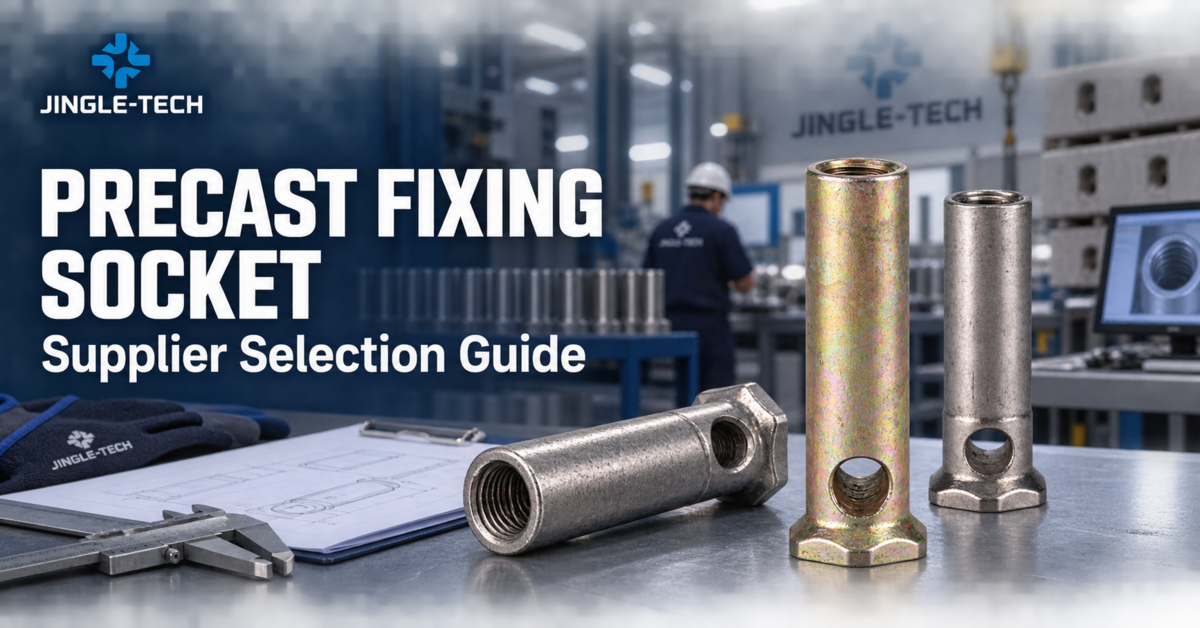
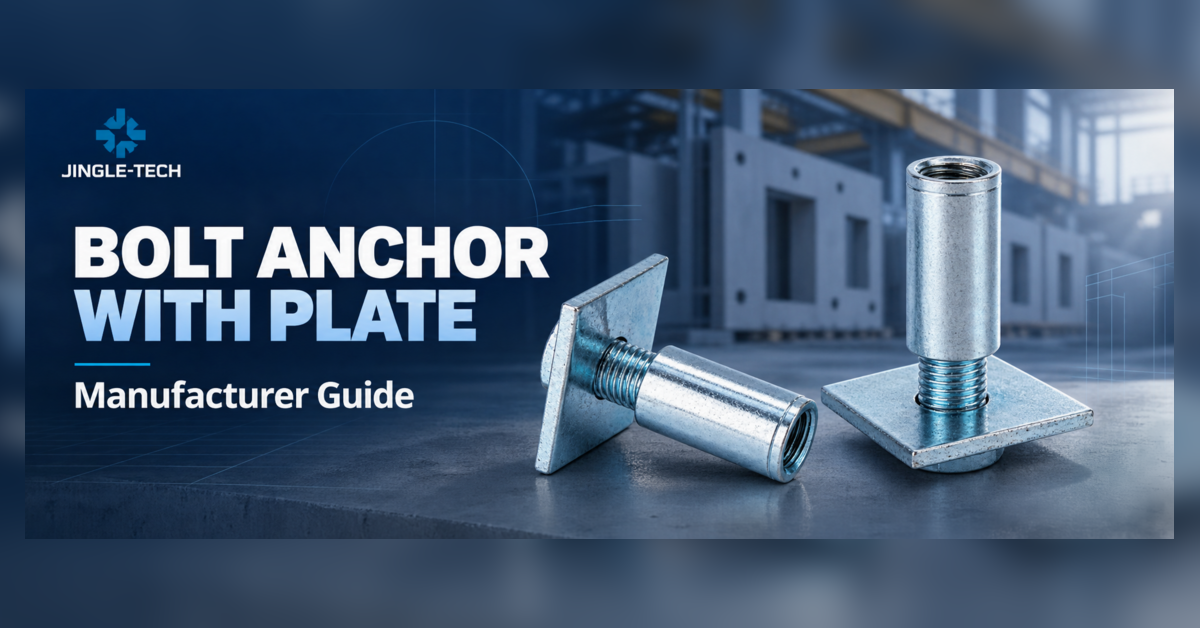
There is a variety of design variations available for angled sockets, catering to different structural requirements and connection types. These variations can include different thread types and sizes (e.g., metric, RD threads), varying socket lengths, and a range of permissible angles. The materials used for manufacturing these sockets are also crucial. Typically, they are made from high-strength steel, often galvanized or stainless steel, to ensure durability and corrosion resistance, especially in aggressive environments. The choice of material depends on factors such as the expected load, exposure conditions (e.g., marine environments, industrial atmospheres), and the required service life of the structure. Some designs may also incorporate features to enhance bond with the concrete, such as ribs or a roughened surface, ensuring optimal load transfer from the socket to the concrete element.
Installation Insights for Optimal Performance
Proper installation is key to leveraging the full potential of angled sockets. This process begins in the precast factory, where the sockets are accurately positioned within the formwork according to the engineering drawings before the concrete is poured. Care must be taken to ensure the socket maintains its specified angle and position during concrete placement and vibration. Protection of the threads from concrete ingress is also important, often achieved using temporary plastic caps. Once the precast element is cured and transported to the site, the corresponding connecting elements (e.g., threaded rods, bolts) are inserted into the sockets to make the final connection. Site crews must ensure correct bolt engagement and tightening torque as per specifications to achieve the designed connection strength.
Choosing the Right Precast Angled Sockets
Selecting the appropriate precast angled sockets for a specific project involves several critical considerations. Engineers must first determine the load requirements, including tension, shear, and any moment forces that the connection will need to withstand. The angle of connection is obviously a primary factor. Environmental conditions at the installation site will dictate the necessary material properties, particularly corrosion resistance. It is also important to consider the type of precast element and the overall structural design. Consulting with reputable manufacturers and suppliers is advisable, as they can provide technical data, test reports, and design assistance. Ensuring that the chosen sockets comply with relevant industry standards and certifications will provide an additional layer of confidence in their performance and reliability. The ease of installation and compatibility with other construction components should also be evaluated.
The Future of Connections with Precast Technology
As precast concrete construction continues to grow in popularity due to its speed, quality, and sustainability benefits, the demand for sophisticated connection systems like angled sockets is also set to rise. Innovations in material science and manufacturing processes are likely to lead to even stronger, more versatile, and easier-to-install socket solutions. The integration of digital tools, such as Building Information Modeling (BIM), will further enhance the precision in designing and placing these components. The role of such advanced connection systems is crucial in pushing the boundaries of what can be achieved with precast concrete, enabling more complex, efficient, and resilient structures for the future. These developments underscore a broader trend towards smarter and more integrated construction methodologies.