Understanding the Swivel Lifting Eye: A Vital Tool in Rigging and Lifting
In the world of heavy machinery, construction, and industrial operations, safety and efficiency are paramount. One essential component that often goes unnoticed but plays a critical role is the swivel lifting eye. This versatile hardware piece allows for secure attachment points during lifting tasks, enabling loads to be hoisted with minimal risk of twisting or misalignment. Designed to rotate freely, the swivel lifting eye ensures that chains, cables, or slings can pivot without binding, which is crucial for maintaining balance and preventing accidents on job sites.
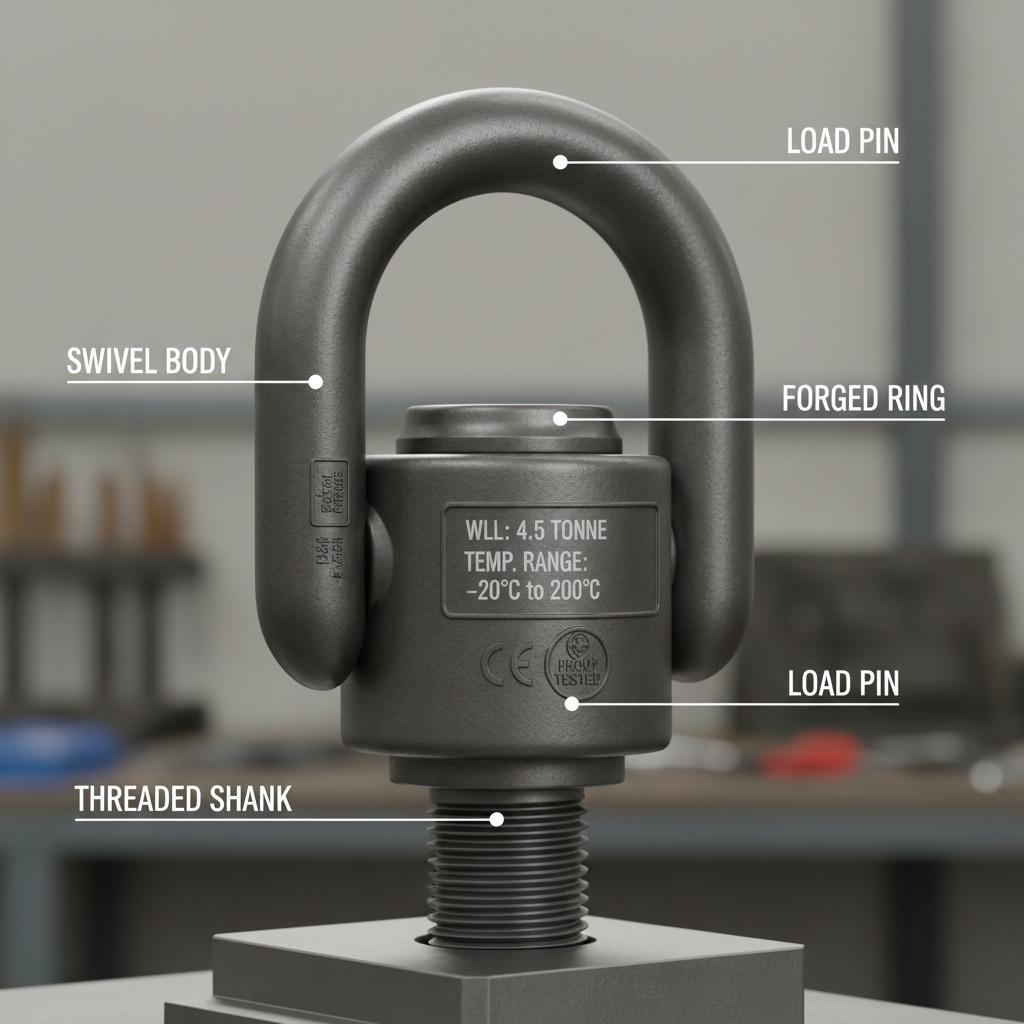
The swivel lifting eye is typically forged from high-strength steel, often alloyed for enhanced durability and resistance to corrosion. Its design includes a threaded shank that screws into equipment or a plate, topped with a ring that swivels 360 degrees. This rotation capability is what sets it apart from standard lifting eyes, making it ideal for applications where the load might shift during elevation, such as in crane operations or overhead lifting in manufacturing. Engineers and riggers appreciate its ability to handle dynamic forces, with load capacities ranging from a few tons to over 50 tons, depending on the model and certification standards like ASME B30.26.
Key Benefits and Applications of Swivel Lifting Eyes
One of the primary benefits of using a swivel lifting eye is its contribution to operational safety. By allowing the attachment to swivel, it reduces stress concentrations on the rigging hardware, minimizing the risk of fatigue failure in slings or wires. This is particularly important in industries like oil and gas, shipbuilding, and construction, where loads can be unpredictable. For instance, when lifting engines or structural beams, the swivel prevents the load from spinning uncontrollably, which could otherwise lead to dangerous swings or drops.
In practical applications, the swivel lifting eye is commonly integrated into machinery bases, pressure vessels, and even temporary rigging setups. Maintenance teams rely on it for tasks like hoisting motors during repairs, while construction crews use it for suspending scaffolding or materials. Its threaded design also facilitates easy installation and removal, saving time and labor costs. Moreover, many models come with safety features such as proof loading and markings for working load limits (WLL), ensuring compliance with OSHA and other regulatory bodies.
Selecting the Right Swivel Lifting Eye for Your Needs
Choosing the appropriate swivel lifting eye requires careful consideration of several factors. First, assess the maximum load you'll be handling; always select a model with a WLL at least 5:1 safety factor above your expected weight. Material choice is next—opt for galvanized or stainless steel versions if exposure to moisture or chemicals is a concern, as these resist rust and extend service life. Size matters too; the eye's inner diameter should accommodate your rigging hardware without excessive play.
Installation is straightforward but demands precision. Clean the threaded area thoroughly, apply anti-seize compound to prevent galling, and torque to the manufacturer's specifications using a calibrated wrench. Regular inspections are non-negotiable—check for cracks, wear, or deformation after each use, and retire the eye if any damage is evident. By following these guidelines, you not only enhance safety but also prolong the equipment's usability.
Maintenance and Best Practices for Longevity
To maximize the lifespan of your swivel lifting eye, incorporate routine maintenance into your workflow. After operations in harsh environments, such as dusty sites or saltwater exposure, clean the component with mild solvents and inspect the swivel mechanism for smooth operation. Lubricate pivot points periodically with grease rated for high-load applications to reduce friction and wear.
Training is equally important; ensure all team members understand proper usage, including never exceeding the WLL or side-loading the eye, which can halve its capacity. Integrating swivel lifting eyes into your rigging protocol can transform potentially hazardous lifts into routine, reliable procedures. As industries evolve toward safer practices, tools like the swivel lifting eye remain indispensable, bridging the gap between heavy-duty demands and risk mitigation.
In summary, the swivel lifting eye is more than just a fastener—it's a cornerstone of safe lifting operations. Whether you're in manufacturing, logistics, or heavy construction, incorporating this tool can significantly boost efficiency while safeguarding your workforce.