Challenges in the Agricultural Sector: Precision Parts Failures
In the agricultural sector, parts machining plays a critical role in maintaining equipment efficiency, yet many farmers and operators face significant problems due to imprecise or low-quality components. Imagine a harvester breaking down mid-season because of a poorly machined gear that leads to misalignment and costly downtime. This is a common issue where substandard agricultural sector parts machining results in reduced productivity, higher maintenance costs, and delayed harvests. With the increasing demand for food production, such failures can ripple through the entire supply chain, affecting farmers' livelihoods and global markets. The core problem lies in the lack of precision in manufacturing processes, which often stems from outdated machinery or inadequate quality controls in suppliers.
Solutions Through Advanced Machining Techniques
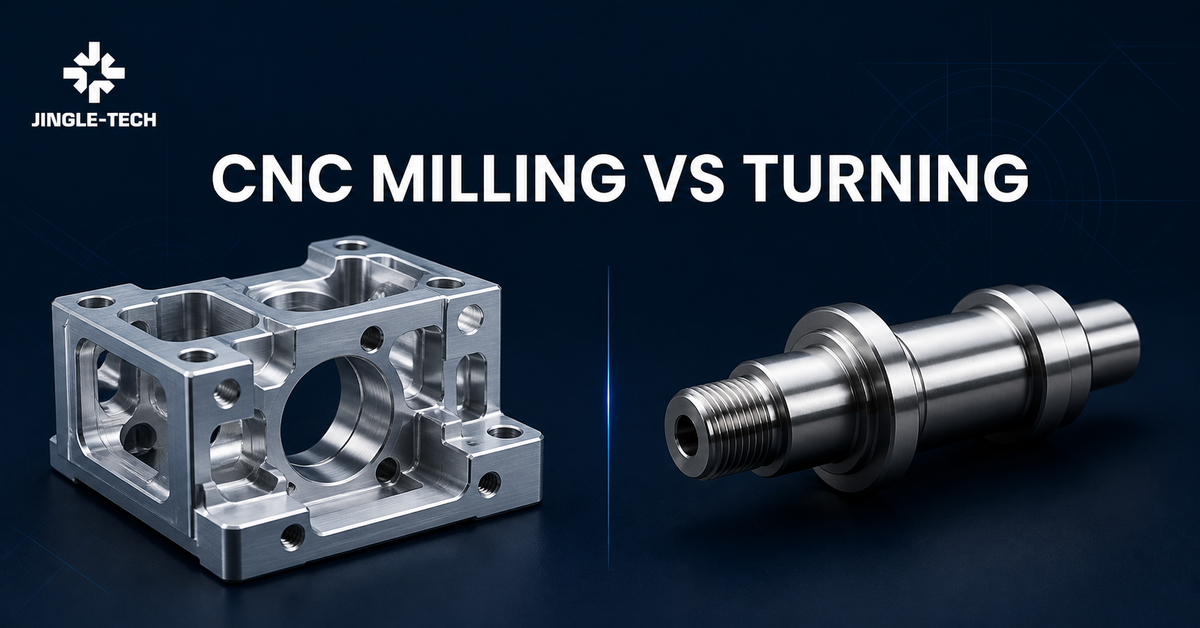
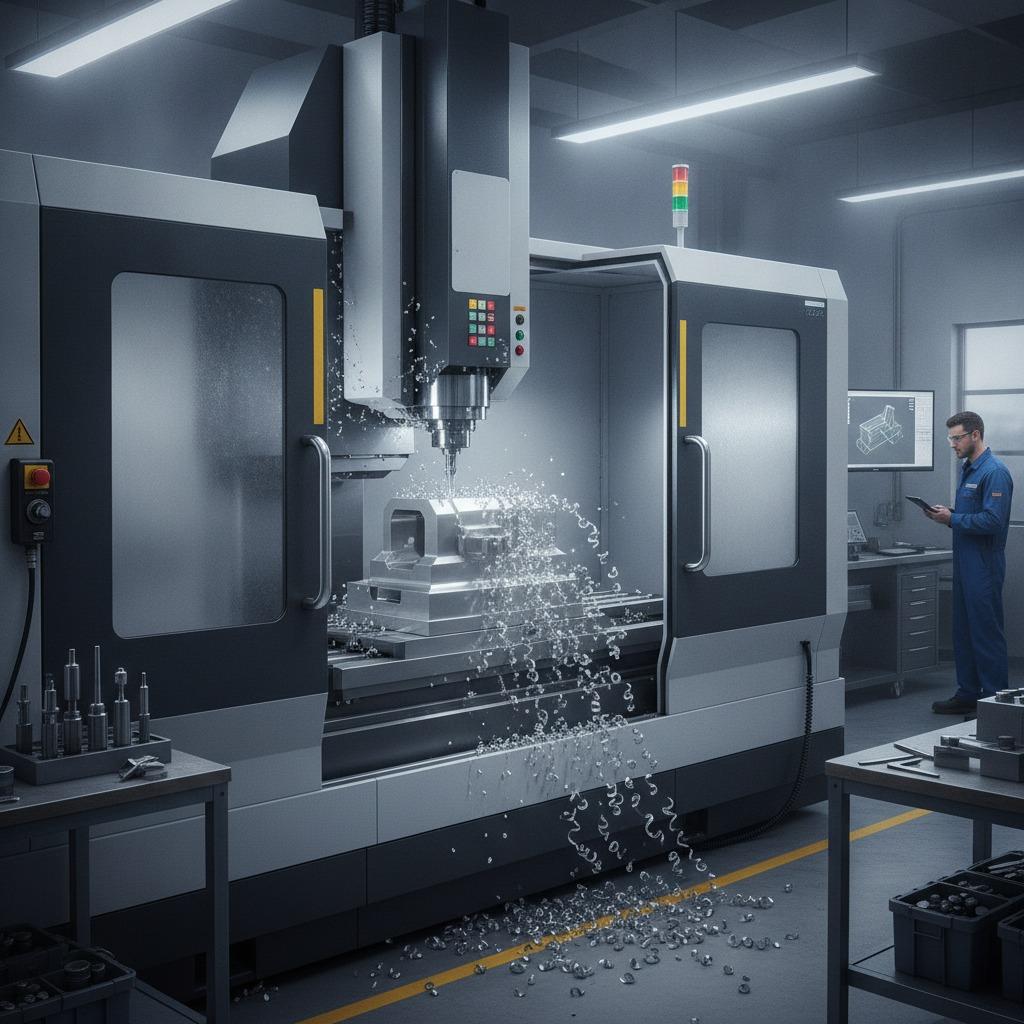
To address these challenges in agricultural sector parts machining, adopting advanced CNC (Computer Numerical Control) machining technologies offers a reliable solution. CNC systems allow for high-precision cutting, milling, and turning of metal and alloy parts, ensuring tolerances as tight as 0.001 inches—essential for components like tractor axles, plow blades, and irrigation pump fittings. By integrating CAD/CAM software, manufacturers can design and produce custom parts that fit seamlessly into modern agricultural equipment, reducing wear and tear. For instance, switching to multi-axis machining centers minimizes human error and speeds up production, enabling quicker turnaround times for repairs during peak farming seasons. This approach not only solves the precision problem but also enhances durability, as materials like hardened steel or corrosion-resistant alloys are machined to withstand harsh field conditions.
Implementing Quality Assurance for Long-Term Reliability
Beyond the initial machining process, a comprehensive quality assurance protocol is vital to fully resolve issues in agricultural sector parts machining. This includes rigorous inspections using tools like CMM (Coordinate Measuring Machines) to verify dimensions and surface finishes, ensuring every part meets ISO standards for agricultural applications. Partnering with specialized machining services that offer traceability—from raw material sourcing to final assembly—prevents defects and recalls. For example, in cases where vibration from unevenly machined shafts causes equipment failure, post-machining balancing techniques can be applied to restore stability. By investing in these solutions, agricultural businesses can achieve up to 30% longer equipment lifespan, lower operational costs, and improved safety for operators. Ultimately, prioritizing precision in agricultural sector parts machining transforms potential breakdowns into opportunities for seamless, efficient farming operations.
Case Study: Real-World Impact of Improved Machining
Consider a mid-sized farm in the Midwest that struggled with frequent breakdowns of their combine harvesters due to inferior aftermarket parts. After transitioning to suppliers using state-of-the-art agricultural sector parts machining, they reported a 40% reduction in downtime and significant savings on repairs. This real-world example highlights how targeted solutions can directly boost yield and profitability. Moreover, with the rise of precision agriculture, integrating IoT sensors into machined parts allows for predictive maintenance, further preventing failures before they occur. As the sector evolves with automation and sustainable practices, mastering agricultural sector parts machining becomes not just a fix but a strategic advantage for staying competitive.
In summary, the problems plaguing agricultural equipment through faulty parts can be effectively tackled with innovative machining solutions, fostering a more resilient and productive industry. By focusing on precision, quality, and integration, stakeholders can ensure their operations run smoothly year-round.