


Understanding the Need for Best Heavy-Duty Hose Clamps for High Pressure
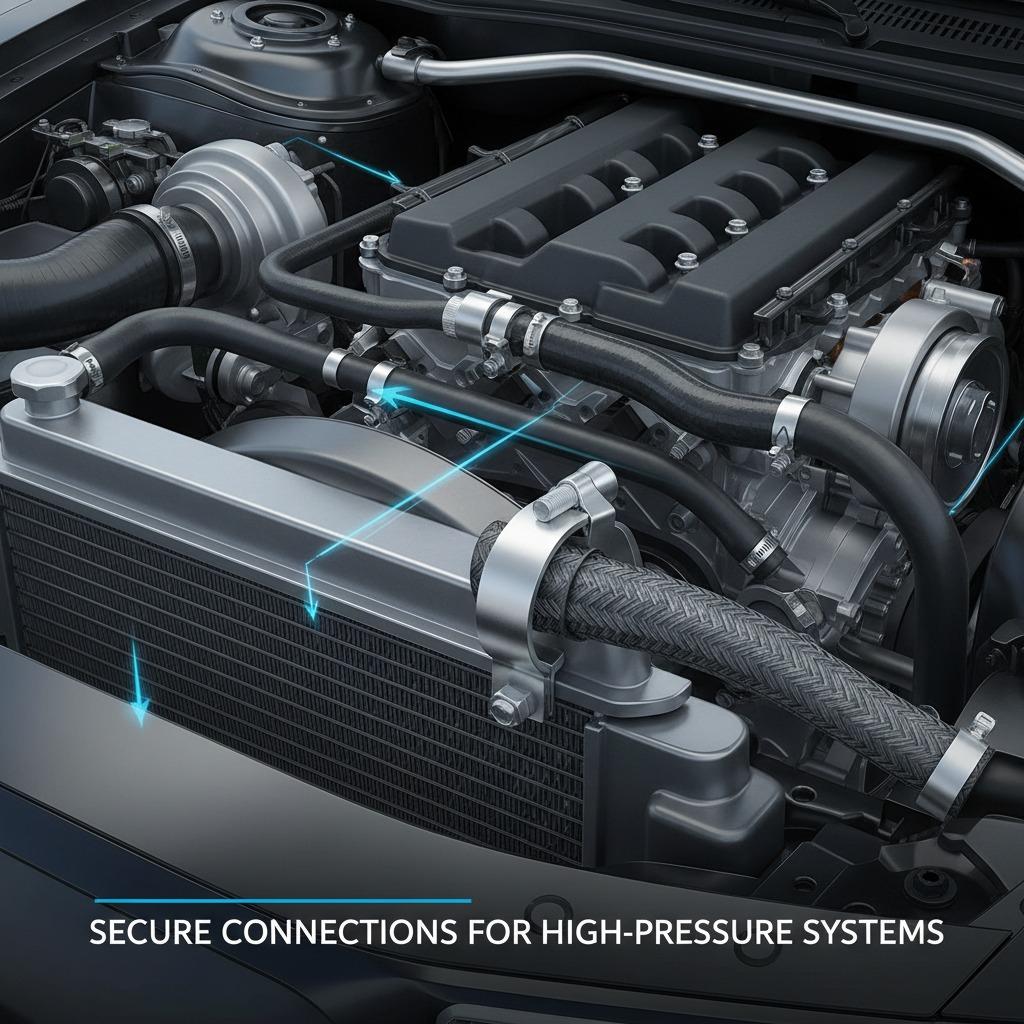
When it comes to securing hoses in demanding environments, the best heavy-duty hose clamps for high pressure are essential for ensuring safety and reliability. These clamps are designed to withstand extreme conditions, preventing leaks and failures that could lead to costly downtime or hazards. Whether you're working in automotive, industrial, or hydraulic systems, choosing the right clamp is crucial for maintaining optimal performance under high-pressure scenarios.
Key Features of Top Heavy-Duty Hose Clamps
The best heavy-duty hose clamps for high pressure typically feature robust materials like stainless steel or heavy-gauge carbon steel to resist corrosion and fatigue. Look for clamps with a wide band width, often 1/2 inch or more, to distribute pressure evenly and provide superior holding power. Worm-drive mechanisms are popular for their adjustability, allowing precise tightening without damaging the hose. Additionally, high-torque options with hex-head screws ensure a secure fit even in vibrations-heavy applications. Brands like Breeze, Ideal, and Murray excel in offering clamps rated for pressures up to 300 PSI, making them ideal for fuel lines, water systems, and heavy machinery.
Selecting the Right Clamp for Your Application
To find the best heavy-duty hose clamps for high pressure, consider the hose diameter, operating temperature, and environmental exposure. For instance, marine or outdoor uses demand marine-grade stainless steel to combat rust, while chemical processing might require clamps with PTFE coatings for added resistance. Always match the clamp's size range to your hose—oversized clamps can slip, while undersized ones may crush the material. Testing under simulated conditions, such as pressure bursts, helps verify durability. Experts recommend inspecting clamps regularly for wear and replacing them if signs of deformation appear, ensuring long-term reliability in high-stakes setups.
Installation Tips for Maximum Effectiveness
Proper installation is key to leveraging the best heavy-duty hose clamps for high pressure. Start by cleaning the hose and fitting surfaces to remove debris that could compromise the seal. Position the clamp so the screw faces away from the flow direction to minimize wear. Use a torque wrench to tighten to the manufacturer's specifications—typically 50-60 inch-pounds for standard heavy-duty models—to avoid over-tightening, which can weaken the hose. In high-pressure systems, consider using multiple clamps for redundancy on longer hose sections. Following these steps not only enhances security but also extends the lifespan of your setup, reducing maintenance needs.
Benefits and Maintenance of High-Pressure Hose Clamps
Investing in the best heavy-duty hose clamps for high pressure yields significant benefits, including enhanced safety, reduced leakage risks, and improved system efficiency. These clamps prevent pressurized fluids from escaping, protecting both equipment and personnel. Over time, they contribute to lower operational costs by minimizing repairs. For maintenance, periodically check for tightness and corrosion, especially in harsh environments. Lubricating the screw mechanism with a suitable agent keeps it smooth, while storing spares in a dry place ensures readiness. By prioritizing quality clamps, you build a more resilient infrastructure tailored to high-pressure demands.





