


Understanding the Essentials of a Roofing Screw
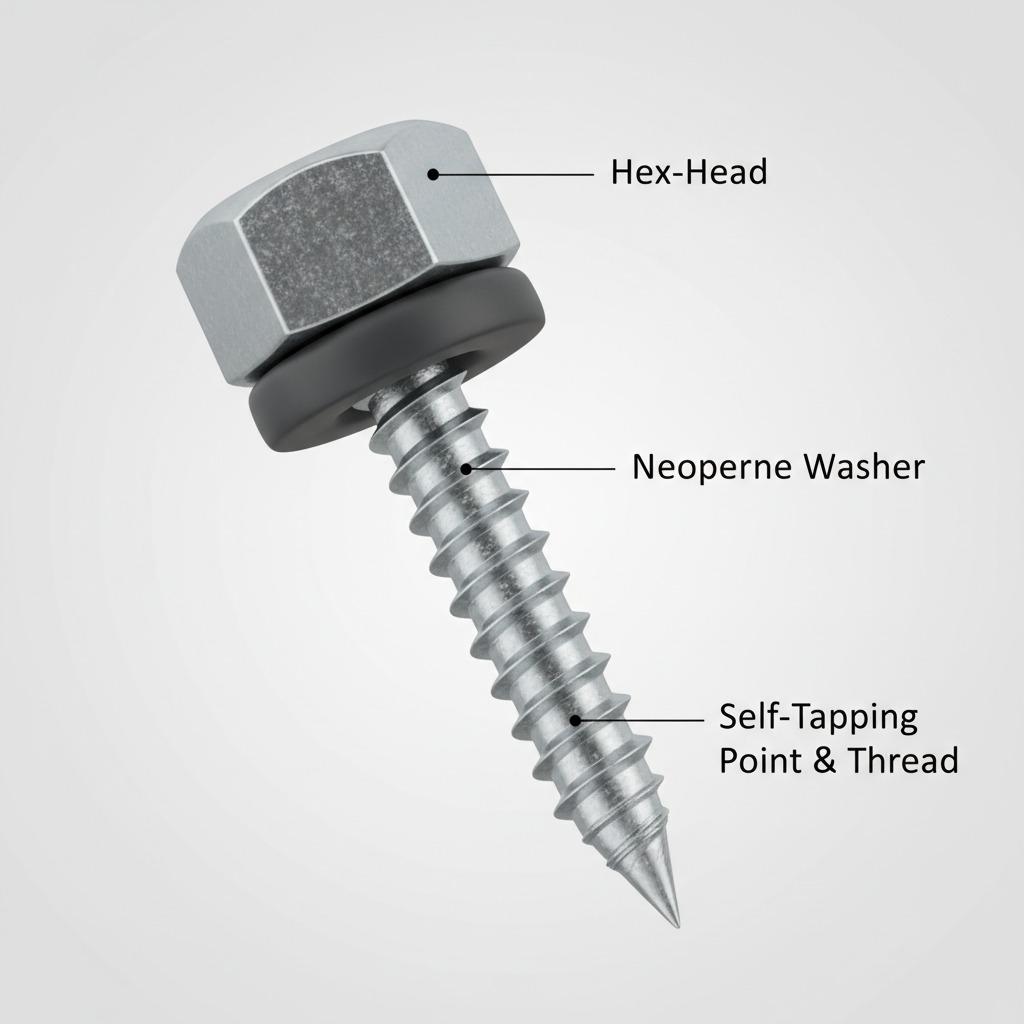
When it comes to securing your roof, selecting the right hardware is crucial, and a roofing screw stands out as a fundamental component. A roofing screw is specifically designed to fasten roofing materials like metal sheets, shingles, or panels to the underlying structure with reliability and durability. Unlike regular screws, these are engineered to withstand harsh weather conditions, preventing leaks and ensuring the longevity of your roof. Whether you're a homeowner embarking on a DIY project or a contractor handling a large-scale installation, understanding the nuances of a roofing screw can make all the difference in achieving a secure and weather-resistant roof.
Key Features and Benefits of Roofing Screws
One of the primary advantages of using a roofing screw is its robust design, which typically includes a sharp, self-tapping point that eliminates the need for pre-drilling in many cases. This feature saves time and reduces labor costs during installation. Roofing screws often come with neoprene washers that create a watertight seal, effectively preventing water infiltration that could lead to costly repairs. Available in various materials such as stainless steel, galvanized steel, or coated options, a roofing screw resists corrosion, making it ideal for coastal or high-humidity environments. Additionally, their hex-head design allows for easy driving with power tools, ensuring a firm grip without stripping. By choosing high-quality roofing screws, you not only enhance the structural integrity of your roof but also contribute to energy efficiency by minimizing drafts and heat loss.
Types of Roofing Screws and Their Applications
Roofing screws come in diverse types to suit different roofing needs. For instance, wood grip roofing screws are perfect for attaching to wooden substrates, providing excellent holding power in soft or hardwoods. Metal-to-wood screws, on the other hand, are tailored for securing metal roofing panels to wooden purlins, featuring a low-profile head to avoid interfering with the panel's aesthetics. For metal-to-metal applications, self-drilling roofing screws with a drill-point tip can penetrate steel up to a certain thickness without predrilling, speeding up the process on commercial buildings. It's essential to match the screw length and gauge to your project's specifications—typically, lengths range from 1 inch to 3 inches, while gauges vary from #8 to #14 for optimal performance. Always consult local building codes to ensure compliance, as using the appropriate roofing screw can prevent issues like wind uplift or material warping over time.
Installation Tips for Optimal Performance
Proper installation is key to maximizing the effectiveness of a roofing screw. Begin by aligning your roofing material precisely over the frame, then drive the screw perpendicular to the surface at a spacing of about 12 to 24 inches, depending on the roof pitch and material type. Avoid over-tightening, as this can damage the washer or strip the hole; instead, aim for a snug fit that compresses the washer without crushing it. For sloped roofs, consider using screws with enhanced thread patterns to resist pull-out forces from wind or snow loads. Regular maintenance, such as inspecting screws for signs of rust or loosening every few years, will extend the roof's lifespan. If you're unsure about the process, hiring a professional ensures safety and precision, especially for complex roofs involving multiple layers or skylights.
Maintaining Your Roofing Screws for Longevity
To ensure your roofing screws perform optimally over time, incorporate routine checks into your home maintenance schedule. Look for any discoloration or pitting on the screw heads, which might indicate corrosion, and replace them promptly to avoid compromising the roof's integrity. In areas prone to extreme temperatures, opt for screws with UV-resistant coatings to prevent degradation from sun exposure. By investing in quality roofing screws and following best practices, you can protect your investment and enjoy peace of mind knowing your roof is fortified against the elements. This simple yet vital hardware plays a pivotal role in safeguarding your home from environmental stresses.





