


Exploring Threaded Rod Uses in Everyday and Industrial Applications
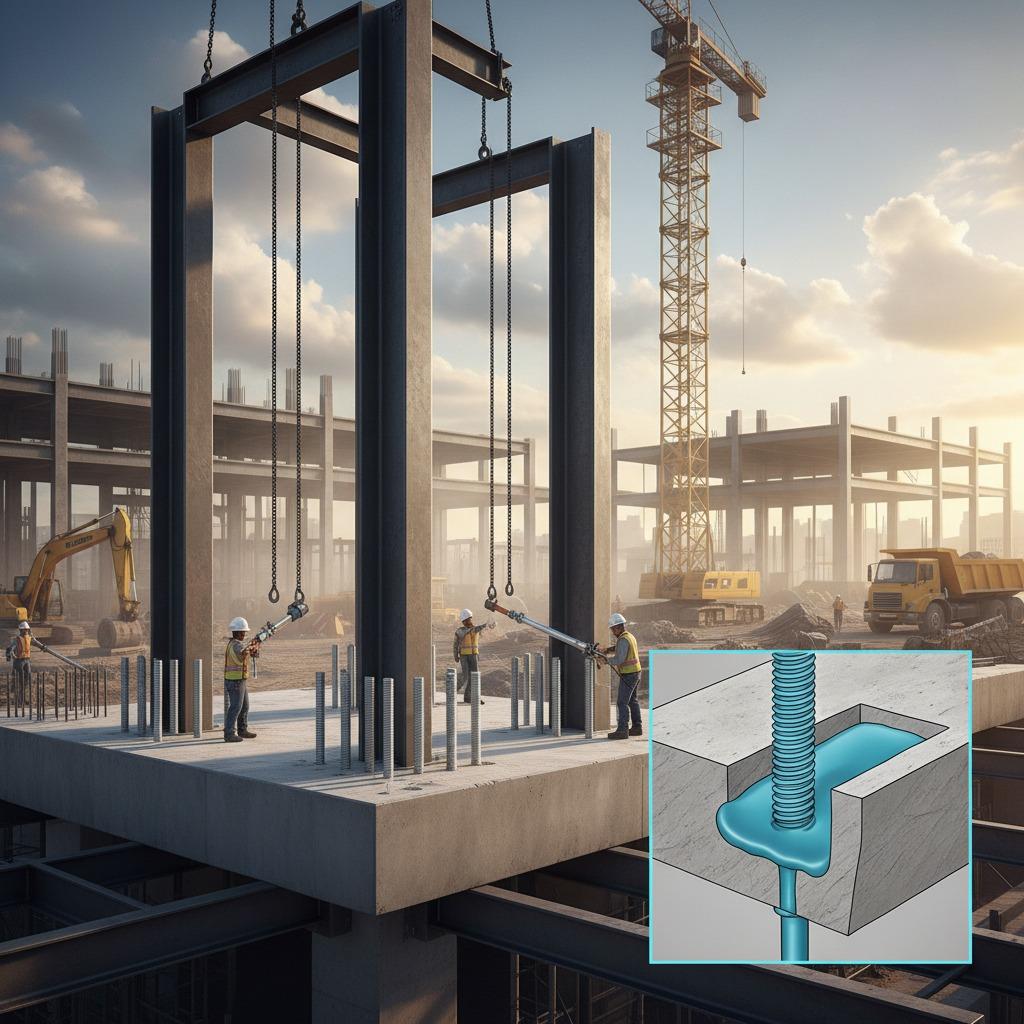
Threaded rod uses extend far beyond simple fastening; they are essential in creating secure, durable connections in various settings. A threaded rod, essentially a long metal bar with continuous threading, offers versatility that makes it a staple in hardware and construction. Whether you're a DIY enthusiast or a professional contractor, understanding threaded rod uses can enhance your projects' efficiency and strength. In this article, we'll dive into the primary applications, focusing on threaded rod construction and other innovative implementations.
Primary Threaded Rod Uses in Construction
Threaded rod construction is one of the most common applications, where these rods serve as critical components for structural integrity. In building projects, threaded rods are frequently used to anchor heavy machinery or structural elements to concrete foundations. For instance, in commercial buildings, they secure steel beams and columns, ensuring stability against seismic activity or wind loads. Threaded rod construction techniques involve embedding the rod into concrete with epoxy or mechanical anchors, providing a robust hold that withstands tension and shear forces. This method is particularly vital in high-rise constructions, where safety regulations demand reliable fastening solutions. Beyond anchoring, threaded rods facilitate the suspension of HVAC systems, piping, and electrical conduits from ceilings, allowing for adjustable heights and easy maintenance. Their corrosion-resistant options, like stainless steel variants, make them ideal for outdoor or humid environments, prolonging the lifespan of installations.
Industrial and Manufacturing Applications of Threaded Rods
In industrial settings, threaded rod uses expand to machinery assembly and maintenance tasks. Factories rely on these rods to connect conveyor systems, robotic arms, and assembly line equipment, where precise threading ensures components align perfectly without slippage. Threaded rod construction principles apply here too, often involving custom-cut lengths to fit specific machinery tolerances. For example, in automotive manufacturing, threaded rods secure engine mounts and chassis components, enduring vibrations and high temperatures. They also play a role in creating jigs and fixtures for welding operations, providing temporary yet strong supports. Additionally, in the renewable energy sector, threaded rods anchor solar panel arrays and wind turbine bases, contributing to sustainable infrastructure. Their adaptability allows for easy adjustments during installation, reducing downtime and labor costs in fast-paced production environments.
DIY and Home Improvement Projects Involving Threaded Rods
For homeowners and hobbyists, threaded rod uses offer practical solutions for home improvement endeavors. In garage organization, threaded rods can form shelving supports or hanging racks for tools and storage bins, combining threaded rod construction simplicity with customizable designs. A popular project is building a modular workbench, where rods connect tabletops to sturdy legs, adjustable for height as needed. In landscaping, they secure fence posts or trellises in soil or concrete, resisting weather elements. Creative uses include DIY lighting fixtures, where threaded rods suspend pendant lights from ceilings, adding an industrial aesthetic to modern interiors. Safety is key in these applications; always select the appropriate diameter and material to match load requirements. With basic tools like nuts, washers, and cutters, anyone can leverage threaded rod uses to tackle renovations efficiently.
Advanced and Specialized Threaded Rod Applications
Beyond standard uses, threaded rods find niche roles in specialized fields like aerospace and marine engineering. In aviation, lightweight threaded rods made from alloys secure avionics and interior panels, meeting stringent weight and strength standards. Marine applications involve galvanized threaded rods for boat rigging and dock constructions, combating saltwater corrosion. Threaded rod construction in these areas often incorporates advanced coatings for enhanced durability. In the entertainment industry, they support stage rigging for lighting and scenery, ensuring safe performances. Emerging trends include 3D-printed threaded rod alternatives for rapid prototyping, though traditional metal rods remain preferred for their proven reliability. Overall, the versatility of threaded rods continues to evolve, addressing diverse challenges across industries.
In summary, threaded rod uses are indispensable for secure, adaptable fastening in construction, industry, and beyond. By integrating threaded rod construction best practices, projects gain longevity and performance, making these humble hardware items true workhorses.





