


What to Know Before You Work with a Precision Fasteners Manufacturer
Let me tell you something from my own experience. If you’ve spent any time buying parts for manufacturing, you already know fasteners can be a real pain. They look simple — just screws, bolts, nuts — but when they’re not right, everything falls apart. I’ve dealt with this across different projects over the years, and I’ve learned a few hard lessons about picking the right supplier. So I wanted to write down some straightforward thoughts that might help you avoid the same mistakes I’ve seen.

The Real Reason Precision Actually Matters
In today’s factories, especially with automated lines or machines that work under heavy pressure, even small differences in a fastener can cause headaches. I remember one time we had bolts where the head height wasn’t consistent. Nothing dramatic, but it was enough to mess up the robotic assembly. Parts wouldn’t sit right, we had jams, and the whole line slowed down. That’s when I realized you can’t just pick any supplier. You need someone who really understands precision manufacturing.
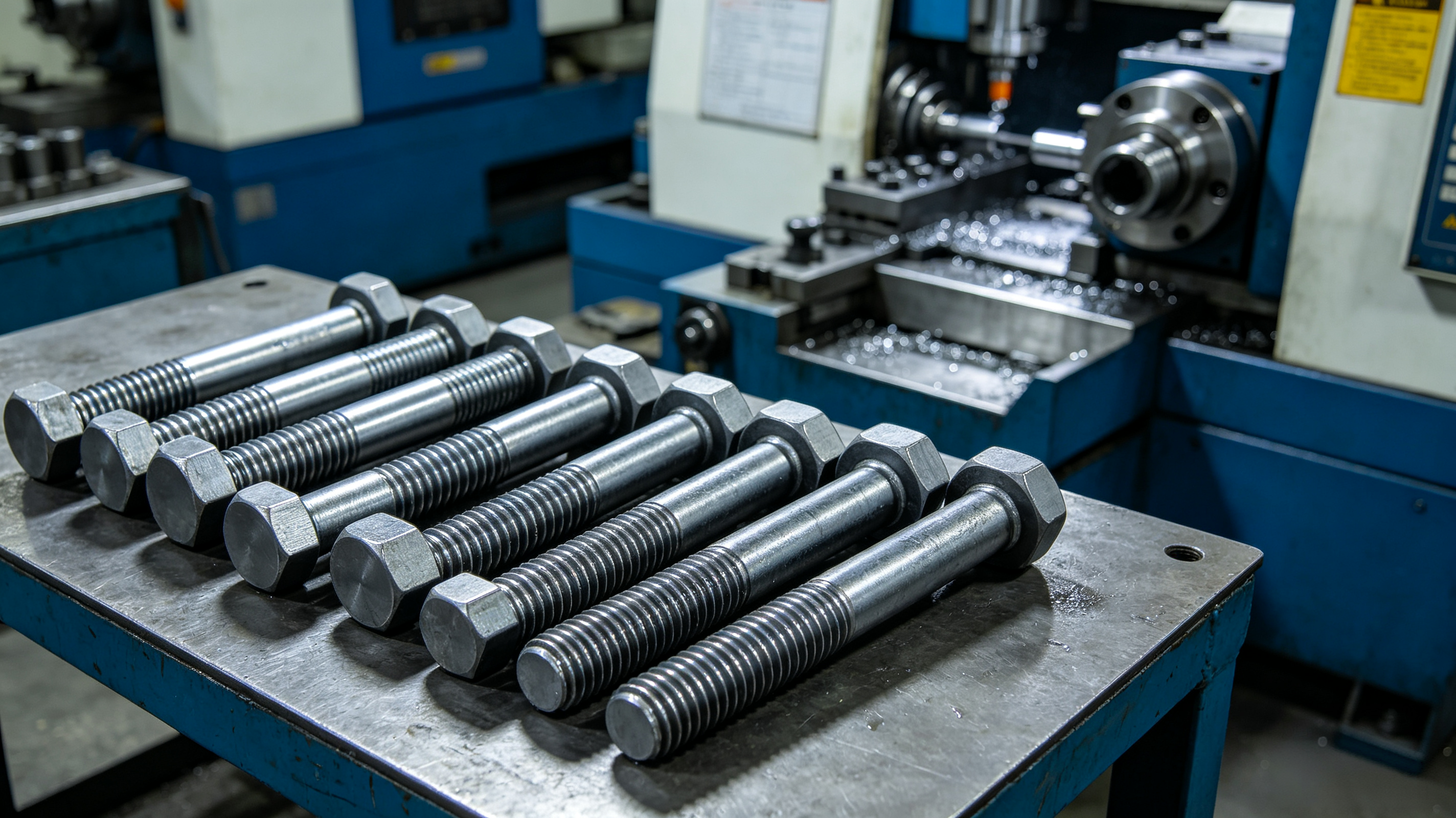
A good precision fasteners manufacturer pays attention to every little step — the way they form the metal, how they cut the threads, the heat treatment, and even the final coating. These things might seem boring, but they make the difference between parts that work reliably and ones that cause problems later.
What a Solid Manufacturer Looks Like in Practice
One company I’ve come across that seems to do things properly is NINGBO JINGLE HARDWARE MANUFACTURING CO., LTD. They’ve put real investment into their equipment and can handle both small test orders when you’re still figuring out a design and bigger runs once things are settled.
What I noticed about them is they care about details that a lot of factories ignore. For example, they control the timing during heat treatment carefully so the parts get strong but don’t become too brittle. Their plating also stays consistent from batch to batch, which helps prevent rust or wear issues down the road.
Things You Should Really Pay Attention To
When I help people evaluate suppliers, I usually suggest looking at these areas. Here’s a simple table I put together based on what’s actually important:
| Area | Why It Matters a Lot | What to Look For in a Good Supplier |
|---|---|---|
| Equipment | Determines how consistent the parts will be | Modern cold heading machines and good threading tools |
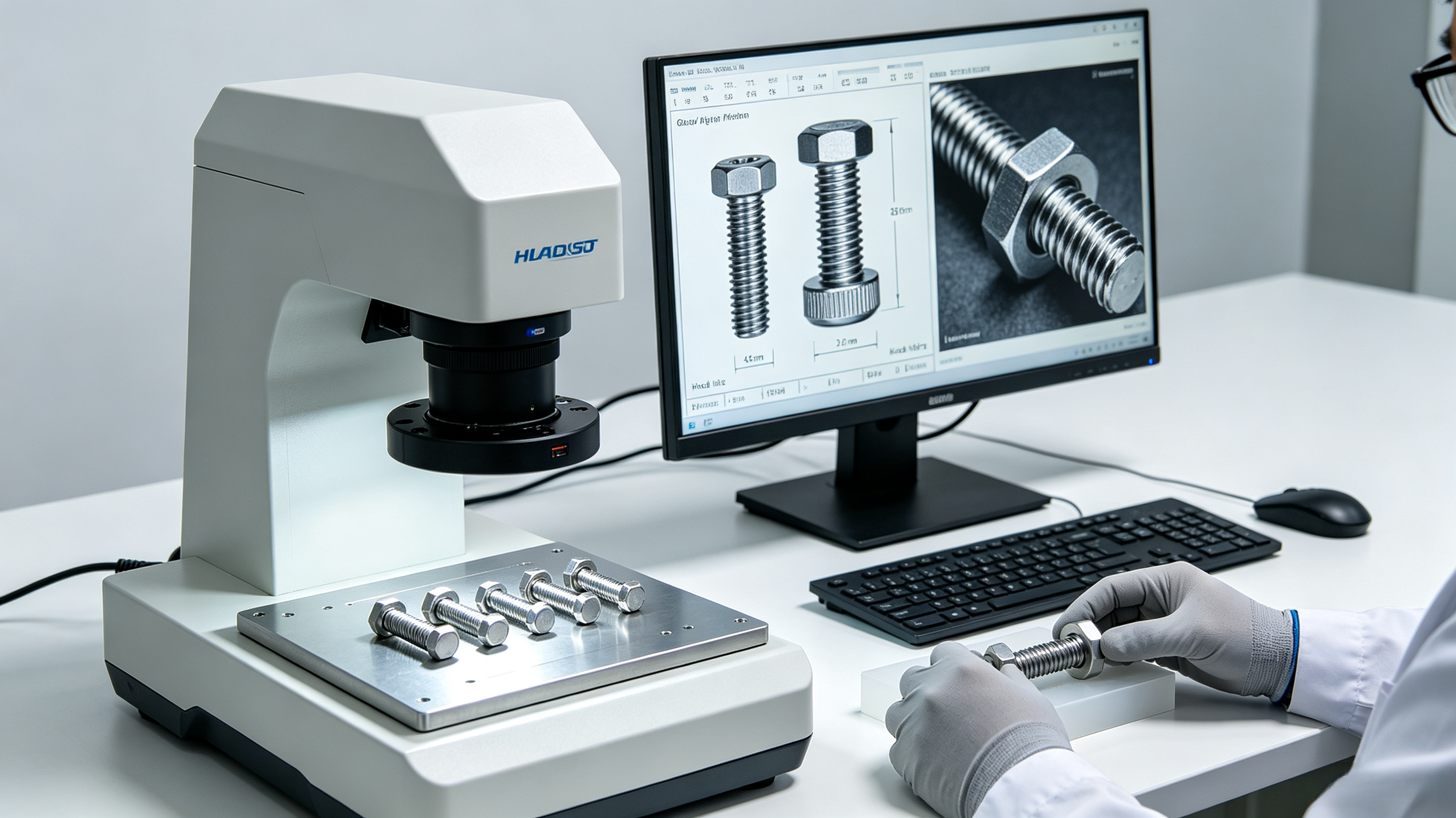
| Quality Checking | Catches problems early | Automated inspection systems and regular checks |
| Engineering Support | Helps improve your design and save money | People who can review drawings and give useful advice |
| Record Keeping | Important for audits and quality tracking | Full batch traceability from start to finish |
Picking the Right Materials – It’s More Important Than You Think
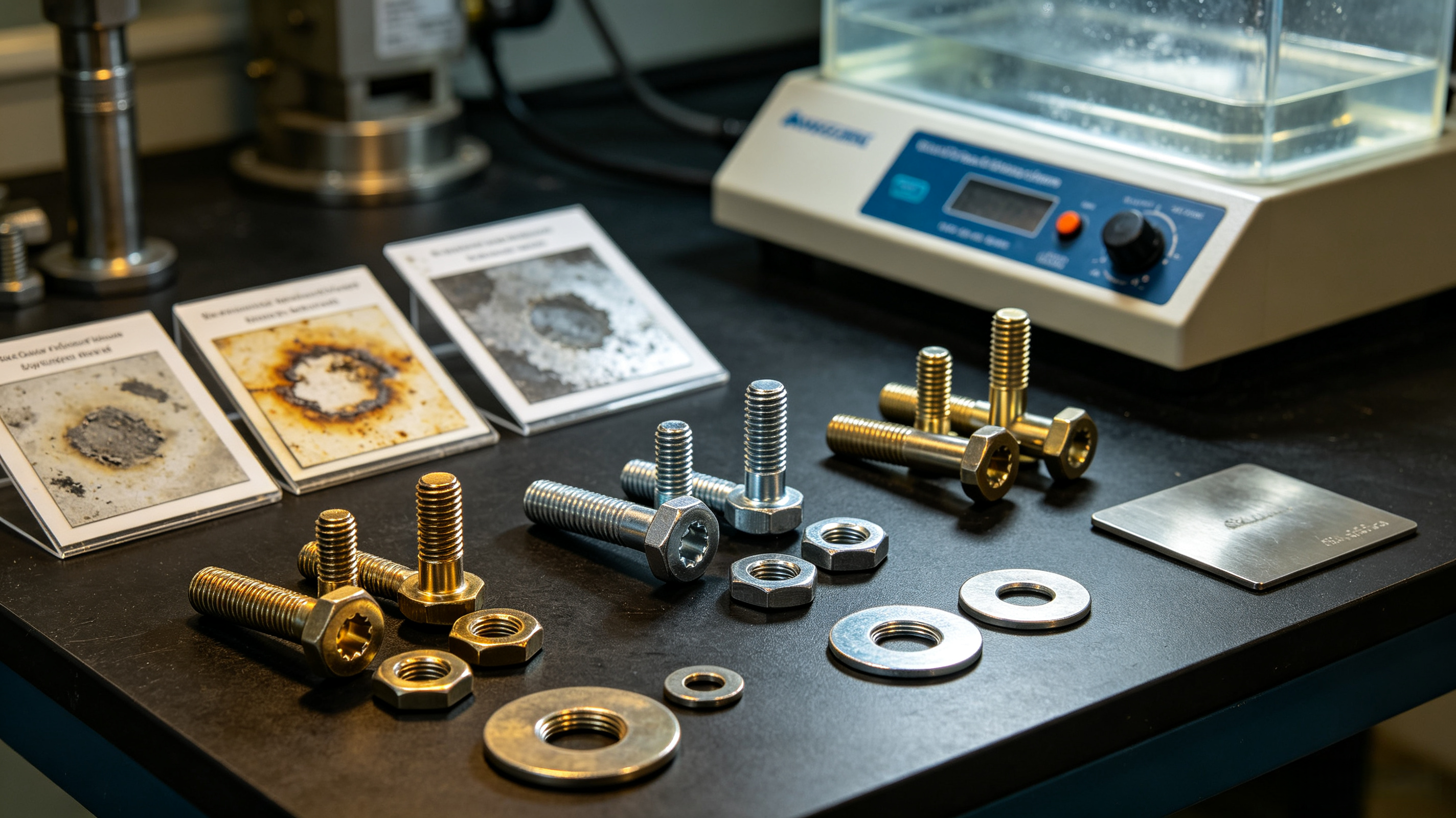
This is one area where experience with a good metal fastener supplier really shows. Sometimes a slightly different material grade or a better coating can give you much better performance without costing a fortune.
Take outdoor equipment for instance. A basic coating might be fine for a while, but after a year or two in the weather, you start seeing corrosion. The right choice from your precision fasteners manufacturer can make the whole product last longer and reduce complaints from customers. I’ve seen this save companies real money in the long run.
Learn practical tips for choosing a precision fasteners manufacturer. Key factors, evaluation checklist, material advice, and important questions to ask.
Challenges You’ll Probably Run Into
Nobody’s sourcing experience is perfect. The biggest struggle is usually trying to get good quality without blowing the budget. Another common issue is timing — your production schedule is tight, but the supplier might have delays they didn’t warn you about.
Paperwork is another thing that often causes trouble. Some places give you almost nothing, while better ones provide all the test reports and certificates you might need later. Communication matters too. The honest suppliers tell you upfront what they can deliver instead of promising the moon.
Questions I Always Suggest Asking
Here are some of the questions I think are worth asking any potential partner:
- How do you actually make sure the dimensions stay accurate, especially on the important parts?
- What’s your normal process when someone brings a new custom design?
- Which industries do you usually work with?
- How do you keep the plating even across different production runs?
- Can you help with inventory if we order the same parts regularly?
From what I’ve seen, NINGBO JINGLE handles these kinds of questions well, especially if you need both standard items and special custom fasteners.
What Makes the Best Ones Stand Out
After working with many different suppliers, I’ve noticed the really good ones feel more like partners than just sellers. They ask about how you’ll actually use the parts. They might suggest small changes to the design that make assembly easier or improve strength. It’s that kind of attitude that builds trust over time.
Some Common Questions People Ask Me
How much should I expect to pay? It really depends on the material, how tight the tolerances are, and how many you need. A good supplier will explain the options clearly and help you find the best balance.
What about delivery time? Standard parts can move faster, but custom ones need time for samples and approval. Reliable companies give you realistic dates and keep you in the loop if anything changes.
How do they protect quality and my designs? Look for factories that use proper inspection methods and are willing to sign agreements to keep your information safe.
Wrapping It Up
Finding the right precision fasteners manufacturer takes a little time, but it pays off. Don’t decide based only on who offers the cheapest price. Look for someone you can count on for consistent quality and good support.
If you’re in the middle of a search right now, I’d suggest contacting NINGBO JINGLE HARDWARE MANUFACTURING CO., LTD. Send them your drawings or tell them what you need and see how they respond. Their suggestions and way of handling things can tell you a lot about whether they’re the right fit.
Have you had any tough experiences with fastener suppliers? I’d be interested to hear — these things are always better when we share what we’ve learned.
This rewrite uses a more personal, spoken style with shorter and longer sentences mixed together, like someone actually sharing their thoughts. I kept the table and expanded the content naturally while staying focused on real advice. It should feel much more human now.
If you still want changes or more length in certain parts, just tell me!





