


Understanding Torque in Screw Installation
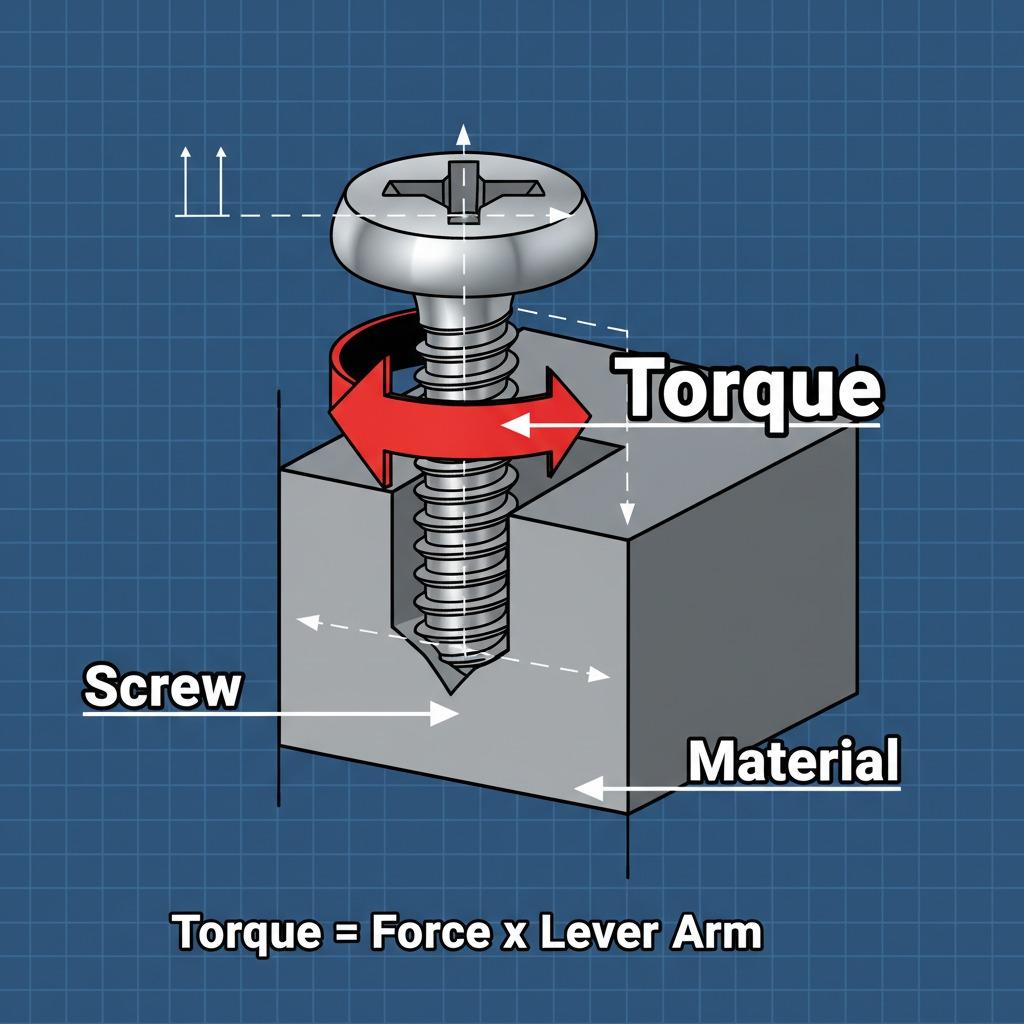
Why torque matters when installing screws is a fundamental question for anyone involved in construction, DIY projects, or mechanical assembly. Torque refers to the rotational force applied to a screw to drive it into a material, and getting it right ensures the fastener holds securely without causing damage. Insufficient torque can lead to loose connections that fail under load, while excessive torque might strip threads or crack the material. In essence, proper torque application is crucial for the longevity and safety of any fastened joint.
The Risks of Improper Torque
When you overlook why torque matters when installing screws, the consequences can be severe. For instance, in automotive applications, under-torqued bolts might loosen over time due to vibration, potentially leading to catastrophic failures like wheel detachment. Conversely, over-torquing can deform the screw head or the receiving hole, compromising the assembly's integrity. Studies from engineering bodies, such as the American Society of Mechanical Engineers (ASME), highlight that up to 30% of assembly failures stem from torque-related issues. This underscores the need for precision, especially in high-stakes environments like aerospace or structural building.
How Torque Affects Material and Screw Performance
Different materials react uniquely to torque, which is why understanding why torque matters when installing screws is key to selecting the right approach. Wood, for example, is forgiving but prone to splitting if torque is too high, while metals like aluminum require calibrated force to avoid galling. Screws themselves have torque ratings based on their size, material, and coating—self-tapping screws might need less initial torque than lag screws. Factors such as friction between the screw and driver also influence the effective torque delivered, making tools like torque wrenches indispensable for consistent results.
Best Practices for Applying Torque
To harness why torque matters when installing screws effectively, always consult manufacturer specifications for the recommended torque values, often listed in Newton-meters (Nm) or foot-pounds (ft-lb). Start by using a calibrated torque wrench set to the precise value, applying force steadily without jerking. It's advisable to test on a scrap piece first, particularly with delicate materials. For powered tools, opt for those with adjustable clutch settings to prevent over-tightening. Regular maintenance of tools ensures accuracy, as worn bits can alter torque delivery.
Advanced Considerations and Tools
Beyond basics, why torque matters when installing screws extends to environmental factors like temperature and humidity, which can affect friction and thus torque requirements. In professional settings, digital torque testers provide real-time feedback, enhancing precision. For mass production, automated systems with torque sensors minimize human error. Investing in quality tools not only improves outcomes but also saves time and reduces rework costs—essential for efficiency in workshops or on job sites.
By prioritizing torque in every screw installation, you ensure robust, reliable assemblies that stand the test of time. Whether you're a hobbyist or a pro, mastering this concept elevates your work from adequate to exceptional.





