What buyers really need from an Anchor Bolt Manufacturer
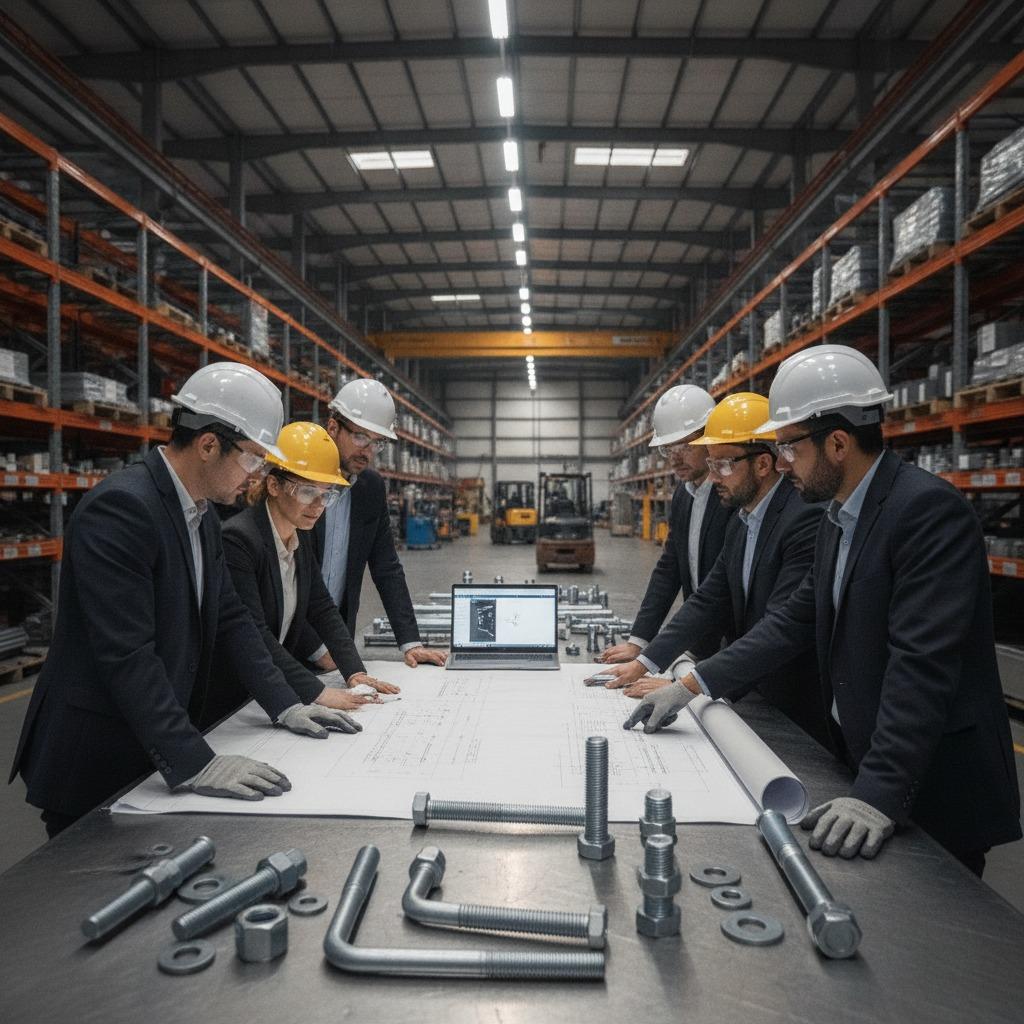
When engineers and sourcing teams start comparing an Anchor Bolt Manufacturer, they are usually not shopping for a simple fastener. They are buying confidence in a structural connection that has to behave predictably under load, in concrete, and often in less-than-ideal site conditions. That is why the choice of supplier matters more than the bolt alone. A good anchor bolt may look ordinary on paper, but the wrong manufacturing approach can create problems that show up later as installation delays, misalignment, corrosion concerns, or rework in the field.
The real decision is not just price. It is whether the manufacturer can produce the right geometry, material, coating, and consistency for the application. For procurement teams, that means separating vendors who merely sell hardware from an Anchor Bolt Supplier that understands structural performance, fabrication control, and the practical realities of construction and industrial assembly.
Why anchor bolts are a small part with outsized consequences
Anchor bolts transfer loads from equipment, steel columns, frames, and fixtures into concrete foundations. They are used in buildings, plant equipment bases, utility structures, racks, and other installations where movement is not acceptable. Because they sit at the interface between steel and concrete, they are exposed to both mechanical stress and site variability.
That creates a common buyer mistake: assuming all anchor bolts are interchangeable. They are not. The design may call for a specific bend, thread length, embedment depth, head style, or coating. In practice, these details affect installation speed and how forgiving the connection is when the slab, template, or anchor cage is slightly off. Small differences become expensive when crews are waiting on-site.
Key manufacturing variables worth checking early
A serious supplier should be able to discuss the basics clearly, without hiding behind vague product language.
Material selection
The starting point is the base material. Depending on the application, buyers may need carbon steel, alloy steel, or corrosion-resistant options. The environment matters as much as the load. Indoor equipment anchoring and outdoor or coastal installations do not belong in the same purchasing bucket.
Thread quality and dimensional consistency
Threads must engage properly with nuts and base plates, and they need to remain usable after transport and site handling. Poor thread finish can create unnecessary torque variation or make final assembly slower than it should be.
Coating or surface protection
Corrosion protection is often underestimated. A coating that looks acceptable in a warehouse may not be enough for long exposure, wet storage, or aggressive environments. Buyers should ask how the coating is applied and what parts of the bolt are covered. A half-protected fastener can become a maintenance issue sooner than expected.
Geometry and fabrication method
Straight anchor rods, L-shaped bolts, J-shaped bolts, and custom bent forms each bring different manufacturing considerations. Bending method, straightness control, and repeatability all matter, especially when anchor bolts must fit templates or slip into preplanned foundation locations.
How to evaluate an Anchor Bolt Supplier without overcomplicating it
The best supplier conversations are practical. Ask what sizes they regularly produce, whether they can support custom drawings, and how they manage batch consistency. If the project is structural or time-sensitive, ask for documentation on material traceability, inspection practice, and packaging approach. Loose bundles with damaged threads are a nuisance; in a large installation, they can stall a crew.
It also helps to ask whether the supplier has experience with repeat orders versus one-off custom fabrication. A manufacturer that handles both can be useful, but only if it treats the custom work with the same discipline as standard parts. That is not always a given.
Common buying mistakes that create field problems
One frequent mistake is specifying the bolt before the base plate or foundation details are fully settled. Another is assuming a standard item will work because it is close enough in appearance. “Close enough” is not a design method.
Another practical issue is overlooking packaging and storage. Anchor bolts can be structurally sound and still arrive with thread damage, coating scuffs, or bend inconsistency if the supplier does not ship them properly. It is a small detail until it stops an installation crew.
What a good purchasing decision looks like
The right manufacturer should help you reduce risk, not just place an order. For engineers, that means receiving bolts that match the design intent. For sourcing managers, it means fewer surprises on delivery and less back-and-forth over drawings and substitutions. For product teams, it means a repeatable supply path that supports both prototyping and production.
If you are comparing suppliers now, ask for a plain-English review of the application, the material option, the finish, and the manufacturing method. A capable anchor bolt partner will answer those questions without making them feel like an inconvenience.
Next step for buyers
Before you approve the next purchase, gather the drawing, foundation details, loading context, and environmental requirements in one place. Then use that package to compare each Anchor Bolt Manufacturer on technical fit, not just catalog availability. That usually separates the dependable source from the one that only looks ready on the surface.