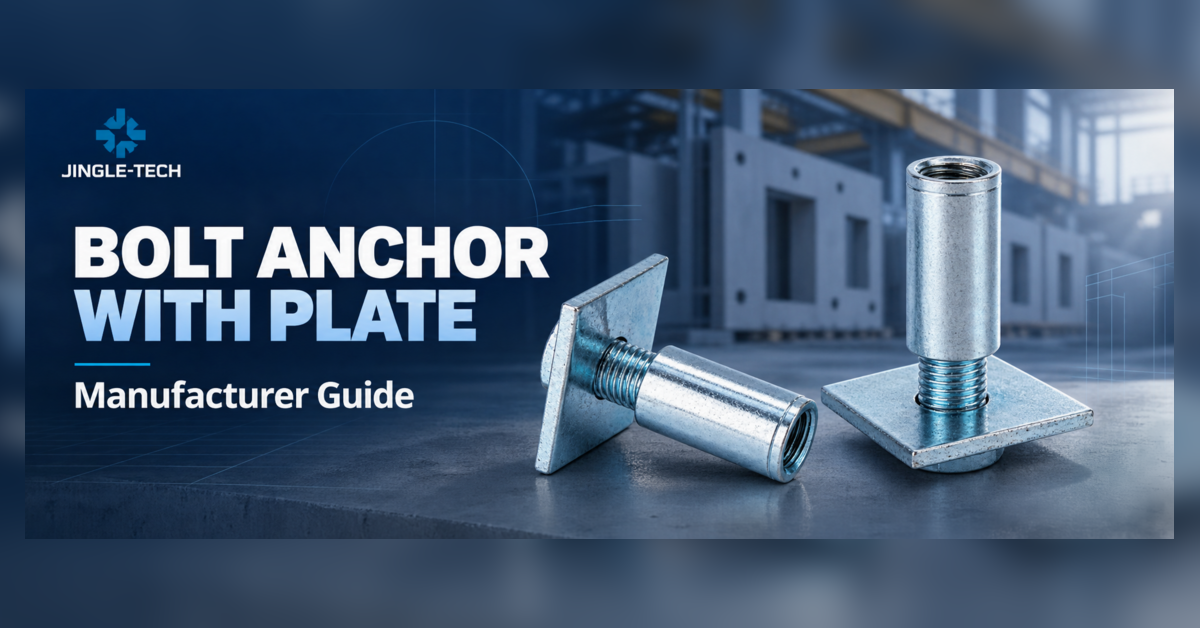
Best Lifting Anchor Systems for Precast Concrete in 2026: Ultimate Guide to Safe & Efficient Handling
In the precast concrete industry, choosing the best lifting anchor systems for precast concrete is critical for safe handling, faster production cycles, and reduced risk of concrete failure or accidents. These cast-in anchors enable efficient lifting, tilting, transporting, and erecting of heavy elements like wall panels, beams, slabs, pipes, and utility structures.
Whether you're operating a precast plant or managing on-site installation, the right precast concrete lifting anchors can improve productivity while meeting strict safety standards (including OSHA's 4:1 safety factor). This guide compares the top systems available in 2026, their applications, pros & cons, and key selection factors.
Why Precast Concrete Needs Reliable Lifting Anchor Systems
Precast elements are heavy, bulky, and often lifted multiple times—from the production bed to storage, transport, and final installation. Improper lifting can cause edge breakout, shear cone failure, or dangerous drops.
Professional precast concrete lifting anchors are embedded during casting to:
- Distribute loads evenly
- Allow early-age lifting (when concrete strength is still developing)
- Support various lifting angles and configurations
- Provide a clean, recessed finish that can be grouted later
Top systems are forged from high-strength steel, tested extensively, and designed for repeated use with matching clutches or hooks.
Top Lifting Anchor Systems for Precast Concrete Compared
Here are the most popular and highly recommended lifting anchor systems used by precast manufacturers worldwide:
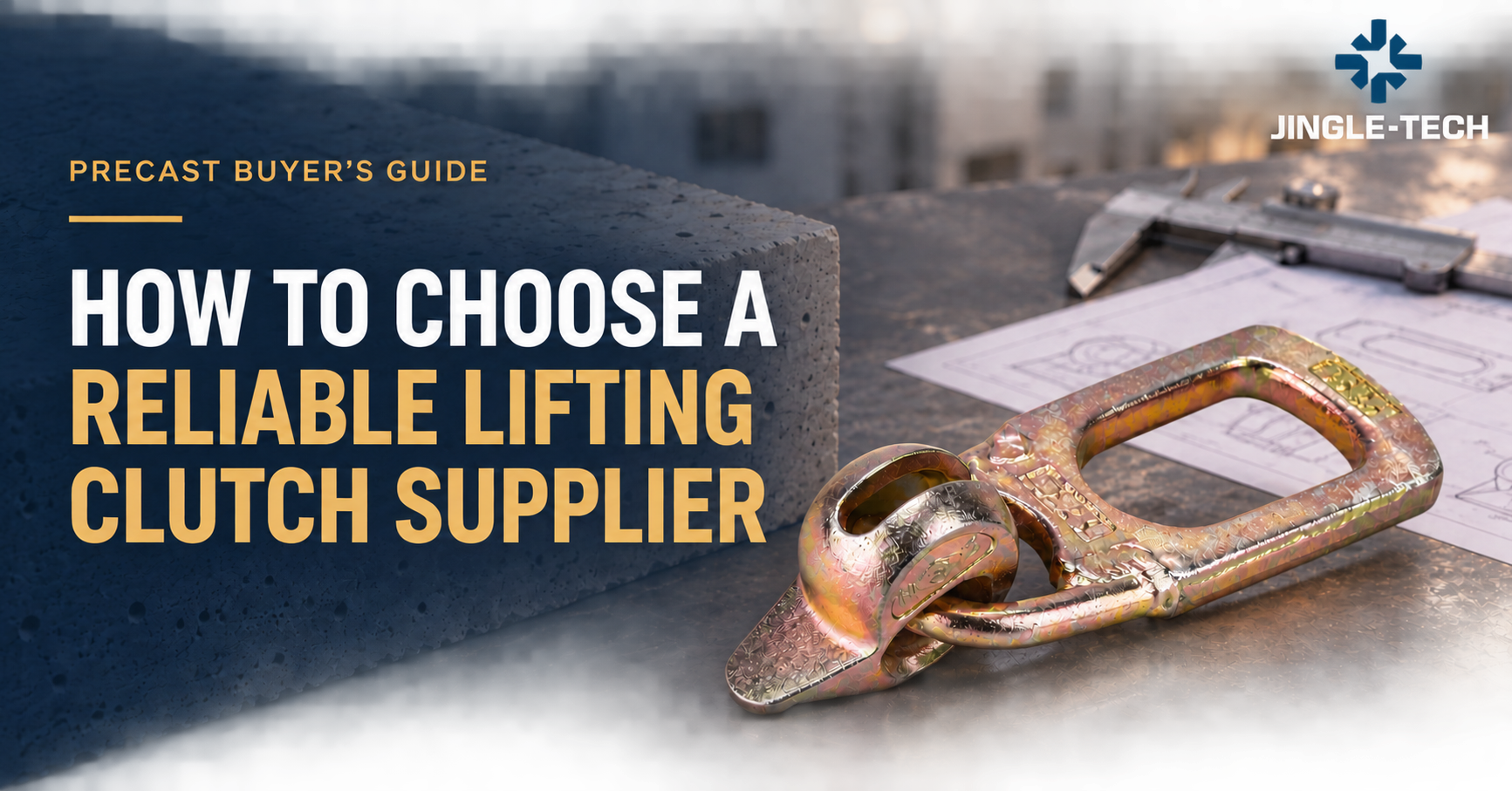
- Swift Lift® / Spherical Head (Dog Bone) Anchors + Lifting Clutches The most versatile and widely used system globally (often called Swift Lift by Dayton Superior or similar spherical head systems). Key Features: Forged spherical head engages quickly with a universal lifting eye or clutch. Supports 360° rotation and multiple lifting points. Load Capacity: From 1 ton up to 20+ tons (SWL), with a standard 4:1 safety factor. Advantages: Fast connect/disconnect, excellent for repeated handling, works in various orientations, recessed design for aesthetics. Best For: Wall panels, beams, slabs, and most structural precast elements. Popular with Dayton Superior, PFEIFER equivalents, and Reid systems.
- Utility Anchor® System (Dayton Superior) An economical, user-friendly option designed to simplify lifting without special hardware. Key Features: Connects directly with standard crane hooks or shackles. High-strength design up to 24,000 lbs SWL. Advantages: Lower cost, no dedicated clutches needed, ideal for medium-duty applications. Can also serve as pulling irons. Best For: Utility structures, vaults, manholes, flat slabs, and lighter precast products.
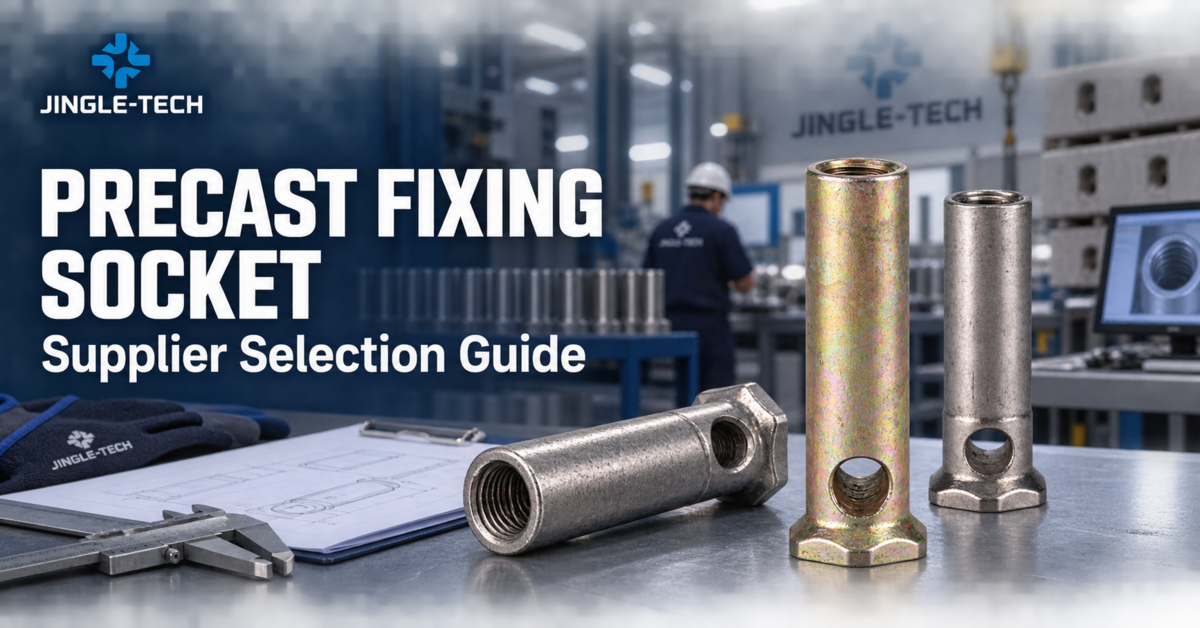
- Threaded Lifting Systems (Lifting Sockets / Inserts) Popularized by PFEIFER Thread System and similar solutions. Key Features: Threaded sockets cast into the concrete paired with bolts, lifting keys, or swivel eyes. Advantages: Great for thin elements, high precision, reusable hardware, and adjustable lifting. Wide range of configurations (0.5–20 tons). Best For: Thin wall panels, elements requiring exact positioning, or projects needing versatile embedment depths.
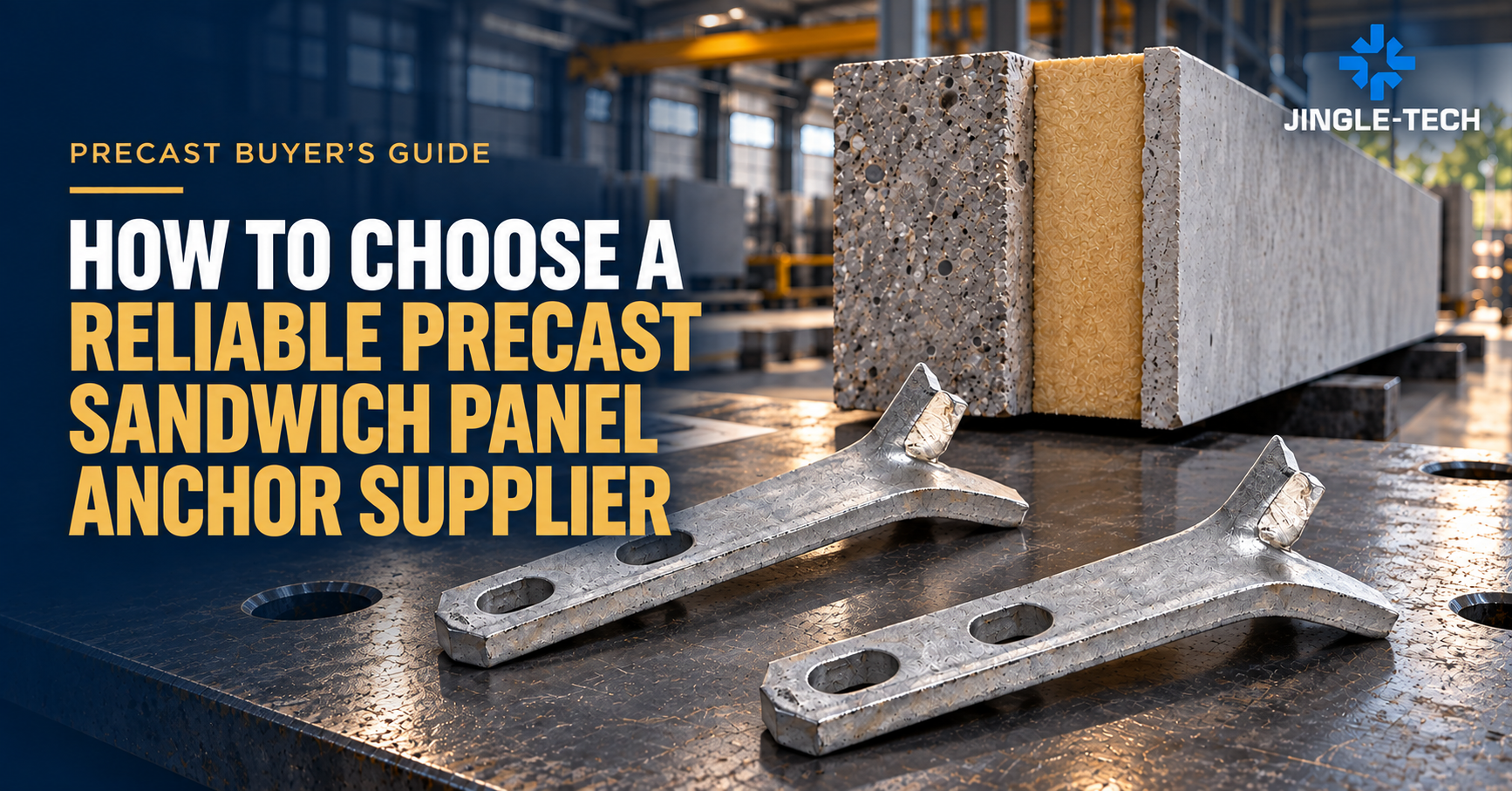
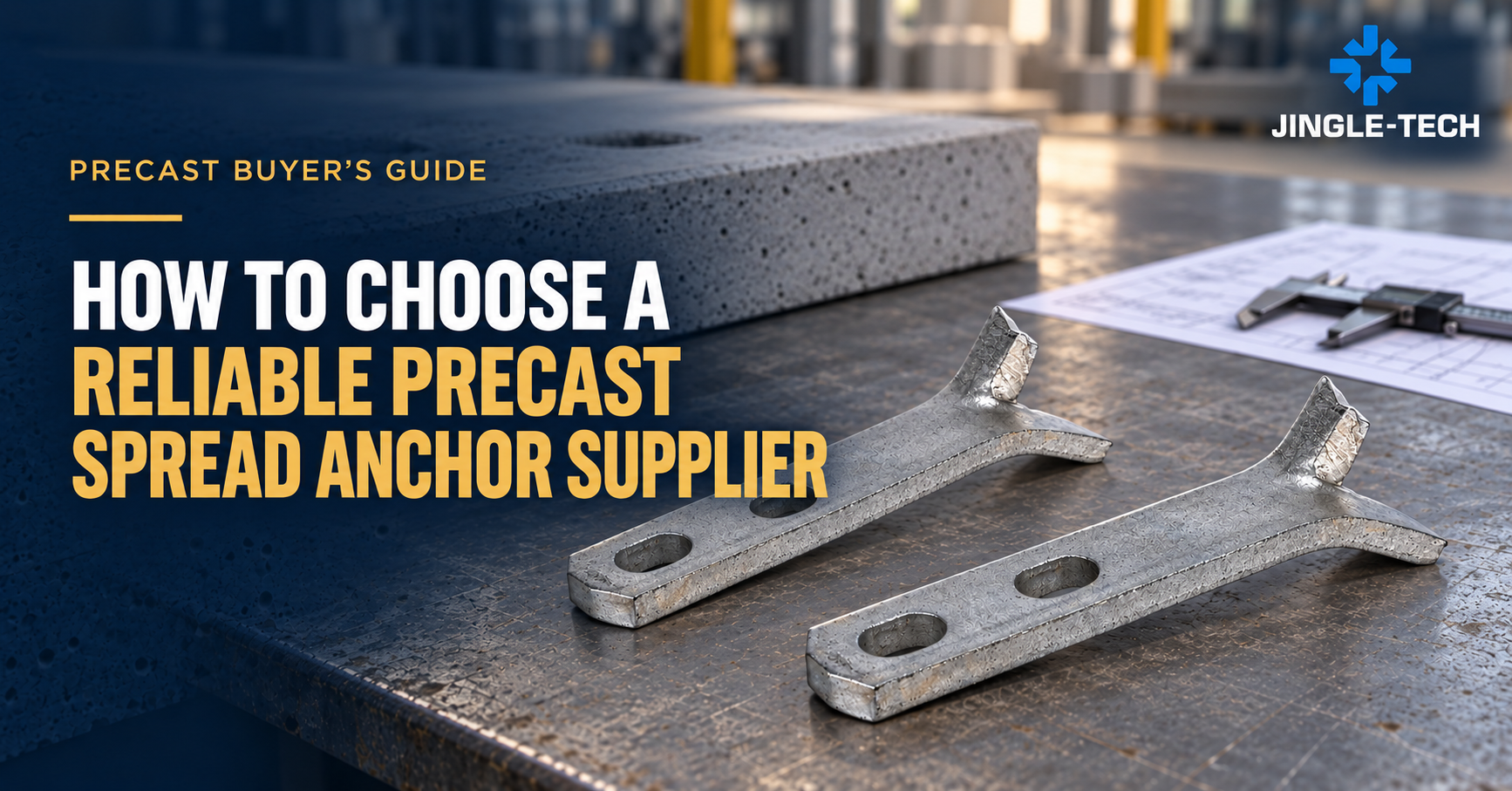
- Spread Anchor Systems Engineered for high-frequency industrial use, especially narrow or thin panels. Key Features: Rapid-action clutches with load ranges from 0.7t to 22t. Allows lifting from horizontal beds without tilting in some setups. Advantages: Excellent efficiency in high-volume production, strong performance in tight spaces. Best For: Large-scale precast wall production and repetitive manufacturing.
- Foot Anchors / Erection Anchors Forged anchors with a flat base or shear plate for better load distribution. Key Features: Enhanced anchorage in thinner concrete sections and superior shear resistance. Advantages: Ideal for edge lifting and thin slabs where standard anchors may not perform well. Best For: Thin precast elements, erection phases, and applications with limited embedment depth.
Other notable options include Hook Lift Anchors (Meadow Burke style) for utility precast and specialized systems for manholes or pipes.
How to Choose the Best Lifting Anchor System for Your Project
Selecting the optimal precast concrete lifting anchors depends on several factors:
- Element Weight & Center of Gravity — Calculate required SWL with adequate safety margin.
- Concrete Thickness & Edge Distance — Thin sections favor Foot Anchors or short Swift Lift variants to prevent breakout.
- Lifting Configuration — Multi-point lifts, tilting, or vertical erection may require different systems.
- Production Volume — High-frequency plants benefit from quick-engage Spread or Swift Lift systems.
- Budget & Compatibility — Utility Anchors save on hardware; premium forged systems offer maximum safety.
- Concrete Strength at Lift — Always consult manufacturer load tables for early-age capacities.
- Standards Compliance — Prioritize systems tested to 4:1 safety factors and local regulations (NPCA guidelines, OSHA, etc.).
Never mix anchors and clutches from different manufacturers without verification. Work with a structural engineer and use design software or load charts provided by suppliers like Dayton Superior or PFEIFER.
Safety Best Practices for Precast Lifting Anchors
- Verify concrete compressive strength before lifting.
- Follow minimum edge distances and spacing to avoid concrete failure.
- Inspect anchors, clutches, and rigging before every use.
- Use matching hardware and never exceed rated SWL.
- Grout recesses after final installation for durability and appearance.
- Train operators thoroughly on proper engagement and release.
Conclusion: Invest in the Right Lifting System for Safety and Efficiency
In 2026, the Swift Lift / Spherical Head system remains the go-to choice for most precast producers due to its balance of speed, safety, and versatility. For cost-sensitive utility work, the Utility Anchor System excels, while Threaded and Spread Anchor systems shine in specialized or high-volume scenarios.
Choosing high-quality lifting anchor systems for precast concrete reduces downtime, minimizes damage, and enhances overall project safety. Consult reputable manufacturers (Dayton Superior, PFEIFER, Meadow Burke, and others) for the latest load tables, recess formers, and technical support tailored to your needs.
Need a detailed comparison table, specific load capacities, or recommendations for a particular precast element type? Leave a comment or contact a precast accessories specialist for personalized advice.
Primary Keywords: Best Lifting Anchor Systems for Precast Concrete, Precast Concrete Lifting Anchors Related Terms: Swift Lift Anchor, Utility Anchor System, Threaded Lifting Sockets, Spread Anchor, Foot Anchor, Precast Lifting Clutches