Building Connection Hardware: what buyers actually need to get right
Building Connection Hardware sits in the background of a lot of structures, which is exactly why it deserves more attention than it usually gets. When a connector, bracket, insert, or fixing point fails, the problem is rarely dramatic at first; it starts as a loose fit, a misaligned panel, a tolerance issue on site, or a corrosion complaint that shows up after handover. For engineers, sourcing managers, and product teams, the real question is not whether the hardware is small. It is whether the hardware can be trusted to carry load, fit the assembly method, and survive the environment it will live in.
That makes this a practical buying decision, not just a catalog decision. The right choice affects installation speed, rework risk, long-term durability, and even how much freedom the designer has when detailing a system. In projects involving concrete elements, steelwork, façade components, or modular assemblies, the connection point often decides whether the rest of the product performs as intended.
Why connection hardware matters more than it looks
A connection is not only a fastening point. It is a transfer path for forces, movement, and sometimes a fair amount of abuse during installation. If the connection is too rigid, the structure may crack, distort, or transmit stress where it should not. If it is too forgiving, the assembly can loosen, shift, or wear prematurely.
That is why buyers should look beyond the name on the drawing. They need to ask what the hardware is actually doing: holding a precast panel in place, joining structural members, anchoring to concrete, or creating repeatable alignment across a product line. The answer changes the material choice, geometry, coating, and test expectations.
Where Precast Concrete Accessories and Concrete Fixing Systems fit
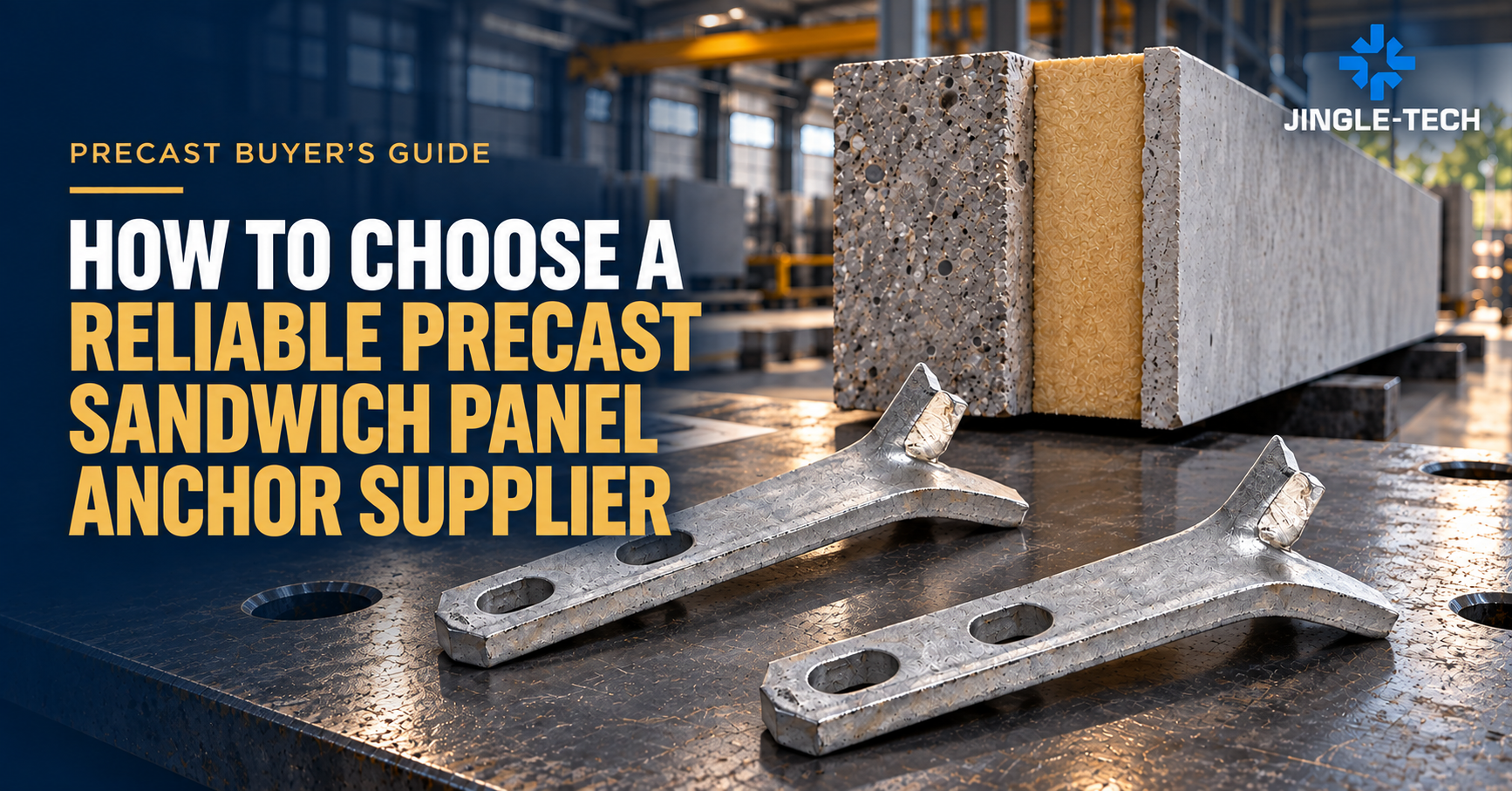
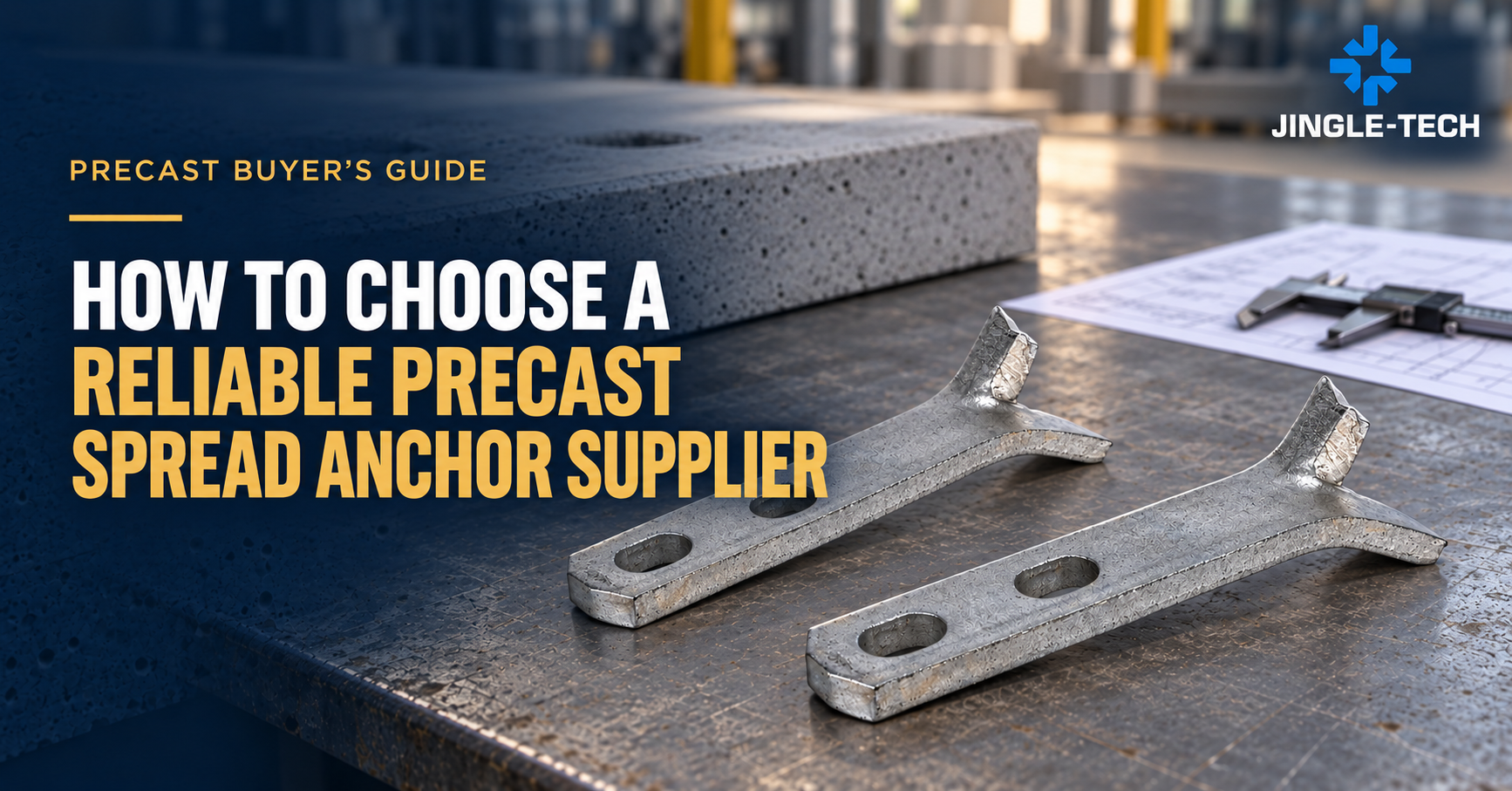
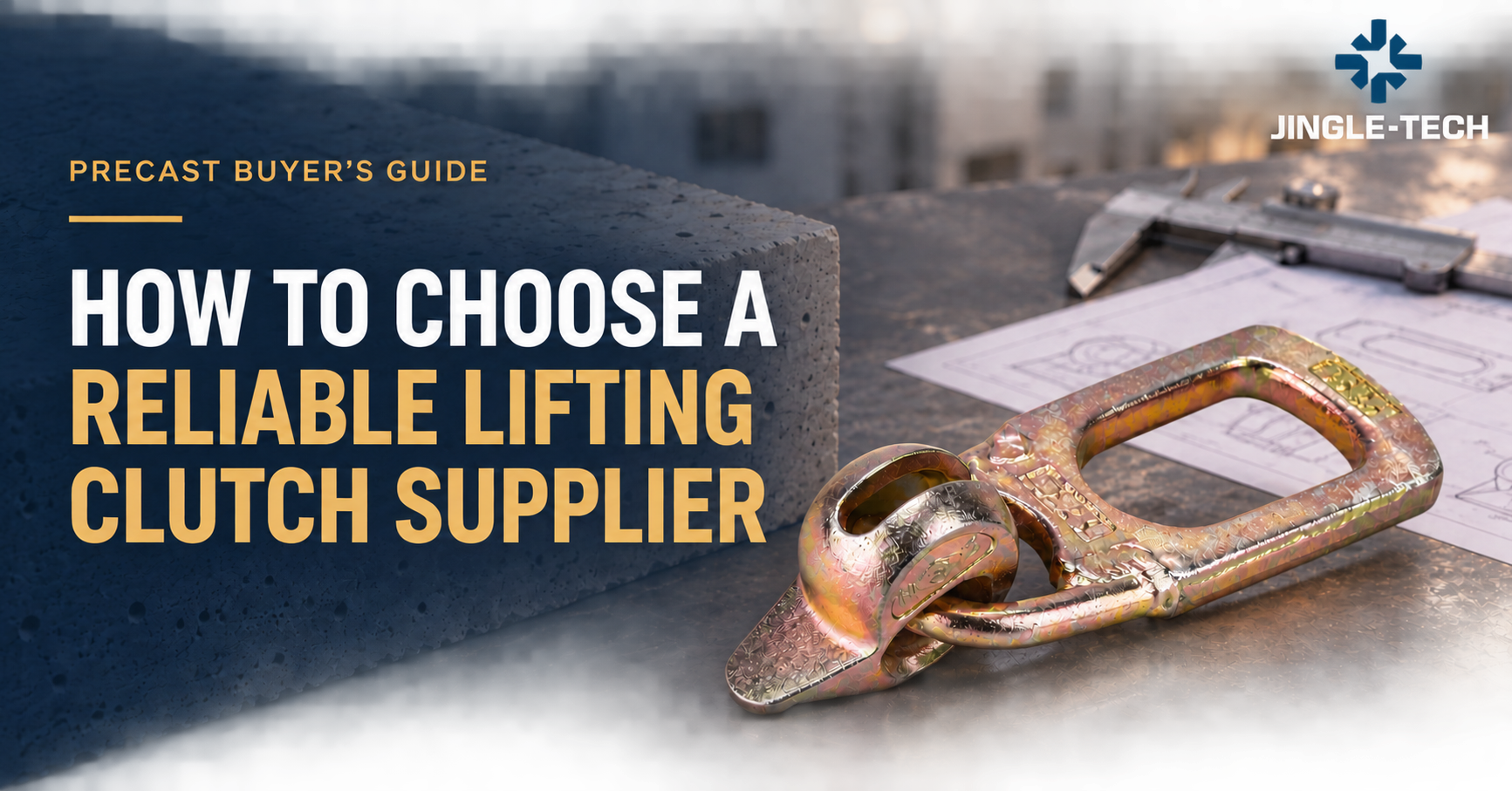
In concrete construction and precast work, Precast Concrete Accessories are often part of the detailing conversation long before anyone thinks about the final fixing. They may support lifting, alignment, anchoring, temporary bracing, or the interface between factory-made elements and site-installed components. The point is to create a reliable connection that can be reproduced across many pieces without turning every installation into a custom job.
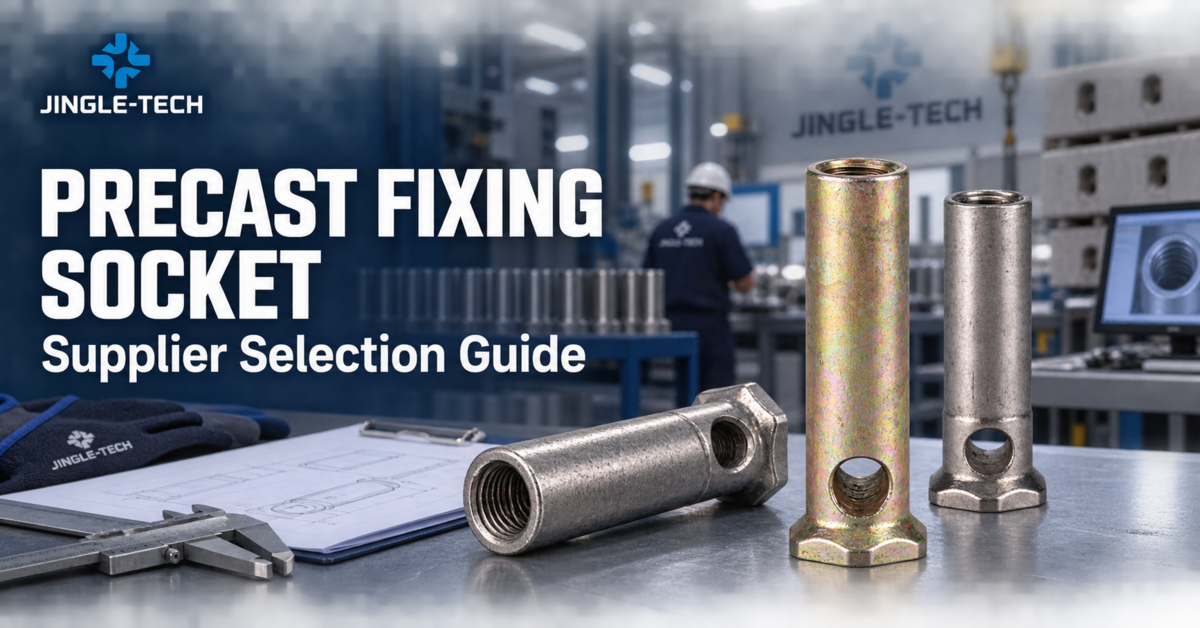
Concrete Fixing Systems serve a related but slightly different role. They are usually chosen to secure elements to concrete substrates or to create attachment points that can handle service loads and environmental exposure. In practice, buyers should treat these systems as part of the load path, not as an afterthought. A weak substrate, poor embedment, or unsuitable anchor selection can undermine even well-made hardware.
Quick comparison for buyers
Precast accessories are often selected with repeatability, casting integration, and install efficiency in mind.
Concrete fixing systems are often selected with substrate condition, pull-out performance, installation method, and service environment in mind.
The overlap is obvious, but the decision logic is not identical. That distinction matters when a project moves from design tables to the shop floor or the construction site.
Selection criteria that save time later
Most sourcing mistakes happen because teams focus on the visible part and ignore the system around it. A connector may look robust, but if it is difficult to install, impossible to inspect, or sensitive to one small variation in casting or drilling quality, it becomes expensive fast.
Useful buyer questions include:
What load path is the hardware supporting, and is it static, dynamic, or repetitive?
What substrate or mating part will it connect to?
Will the hardware be cast in, welded, bolted, or mechanically anchored?
Does the application need corrosion resistance, fire performance, or outdoor durability?
How much installation tolerance does the job really have?
That last point is often underappreciated. On paper, many systems look elegant. On site, tolerances are rarely perfect, and installers do not have time for delicate assemblies that only work when every dimension is ideal.
Common mistakes that create avoidable cost
One common mistake is specifying hardware by appearance or legacy habit rather than by the actual connection requirement. Another is assuming all concrete connections behave the same. They do not. Density, edge distance, reinforcement layout, embedment depth, and site conditions can all affect performance.
A second problem is underestimating corrosion exposure. Hardware that looks acceptable in a dry interior may be a poor fit for exterior, coastal, or chemically aggressive environments. Buyers should be careful here; coatings and base material selection need to match the environment, not the brochure image.
There is also the quieter issue of installation complexity. If a system requires special tools, unusual sequencing, or highly controlled workmanship, it may be technically sound but commercially awkward.
What engineers and sourcing teams should ask suppliers
A useful supplier conversation is usually less about sales language and more about fit for purpose. Ask how the connection is intended to be installed, what variability it can tolerate, and what documentation is available for the intended use case. If the supplier cannot explain the application in plain terms, that is a warning sign.
It also helps to request dimensional information, material descriptions, finish or coating details, and guidance on compatibility with the surrounding assembly. For building connection hardware, small mismatches create large headaches later.
A practical next step
If you are comparing options, start by mapping the connection itself: what it carries, what it touches, how it is installed, and what environment it must survive. Then narrow the field between Precast Concrete Accessories, Concrete Fixing Systems, and other connection types based on that reality rather than on habit.
That is usually where the better decisions are made. Not in choosing the strongest-looking part, but in selecting the hardware that fits the structure, the process, and the people who have to assemble it.