Understanding the Channel Rail System
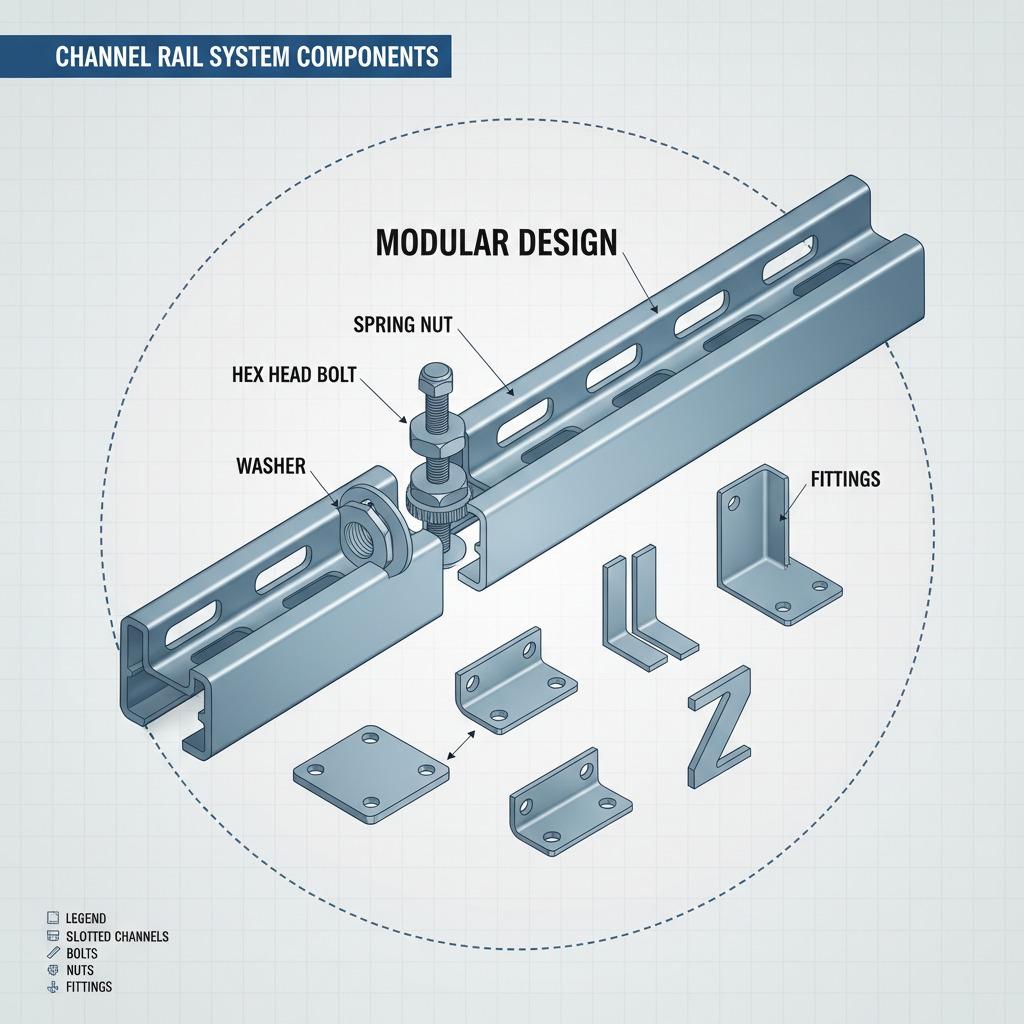
The channel rail system is a versatile and essential component in modern engineering and construction projects. Designed to provide secure mounting and support for various fixtures, this system consists of slotted metal channels, often made from galvanized steel or aluminum, that allow for easy adjustment and installation. Commonly used in electrical, plumbing, and structural applications, the channel rail system offers unparalleled flexibility, making it a go-to solution for professionals seeking durable and efficient support structures. Whether you're building a new facility or retrofitting an existing one, integrating a channel rail system can streamline your workflow and enhance overall stability.
Key Benefits of Implementing a Channel Rail System
One of the primary advantages of the channel rail system is its adaptability. The slotted design enables users to position bolts, nuts, and fittings precisely where needed, accommodating changes in load requirements or design specifications without extensive modifications. This modularity reduces labor costs and downtime, which is particularly beneficial in fast-paced industries like manufacturing and infrastructure development. Additionally, the system's corrosion-resistant materials ensure longevity, even in harsh environments such as outdoor installations or humid industrial settings. By choosing a high-quality channel rail system, you invest in a solution that not only meets current needs but also scales with future expansions, providing a solid foundation for suspended ceilings, cable trays, and piping networks.
Applications and Installation Tips for Channel Rail Systems
Channel rail systems find applications across a wide range of sectors, from commercial buildings to renewable energy projects. In data centers, they support heavy server racks and HVAC units, ensuring reliable performance under constant operation. In solar installations, they serve as mounting frames for panels, optimizing alignment and wind resistance. When installing a channel rail system, start by assessing the load-bearing capacity and selecting the appropriate channel size—typically ranging from 1-5/8 inches to 3 inches in width. Secure the channels to walls or ceilings using appropriate anchors, and always follow manufacturer guidelines to avoid structural failures. Regular inspections can help maintain the integrity of the system, preventing issues like loosening fittings or material fatigue over time.
Choosing the Right Channel Rail System for Your Project
Selecting the ideal channel rail system involves considering factors such as environmental conditions, weight loads, and compatibility with other components. Opt for systems certified to standards like ASTM or UL to guarantee safety and performance. Customization options, including pre-drilled holes or specialized coatings, can further tailor the system to your unique requirements. As industries evolve toward more sustainable practices, look for eco-friendly variants made from recycled materials that don't compromise on strength. By prioritizing a well-engineered channel rail system, you ensure your projects are not only efficient but also resilient against everyday challenges, ultimately contributing to cost savings and enhanced operational reliability.
In summary, the channel rail system stands out as a cornerstone of innovative construction techniques, offering robustness and versatility that drive project success.