DIN933 Hex Bolts: What Buyers and Engineers Should Know
DIN933 is one of those fastener standards that shows up everywhere in manufacturing, maintenance, and equipment assembly, often without much fanfare. If you are sourcing a DIN933 hex bolt, you are usually not looking for novelty; you are looking for consistency, interchangeability, and a part that fits the drawing without unnecessary debate. That is exactly why this standard still matters. In practice, it helps engineers, procurement teams, and shop-floor technicians talk about the same bolt in the same way.
For buyers, the real question is not whether DIN933 is familiar. It is whether the bolt matches the application: thread length, material, strength grade, coating, corrosion exposure, and installation constraints. A bolt can be “standard” and still be the wrong choice if the environment is harsh or the joint sees repeated vibration. That is where a little attention pays off.
What DIN933 Covers
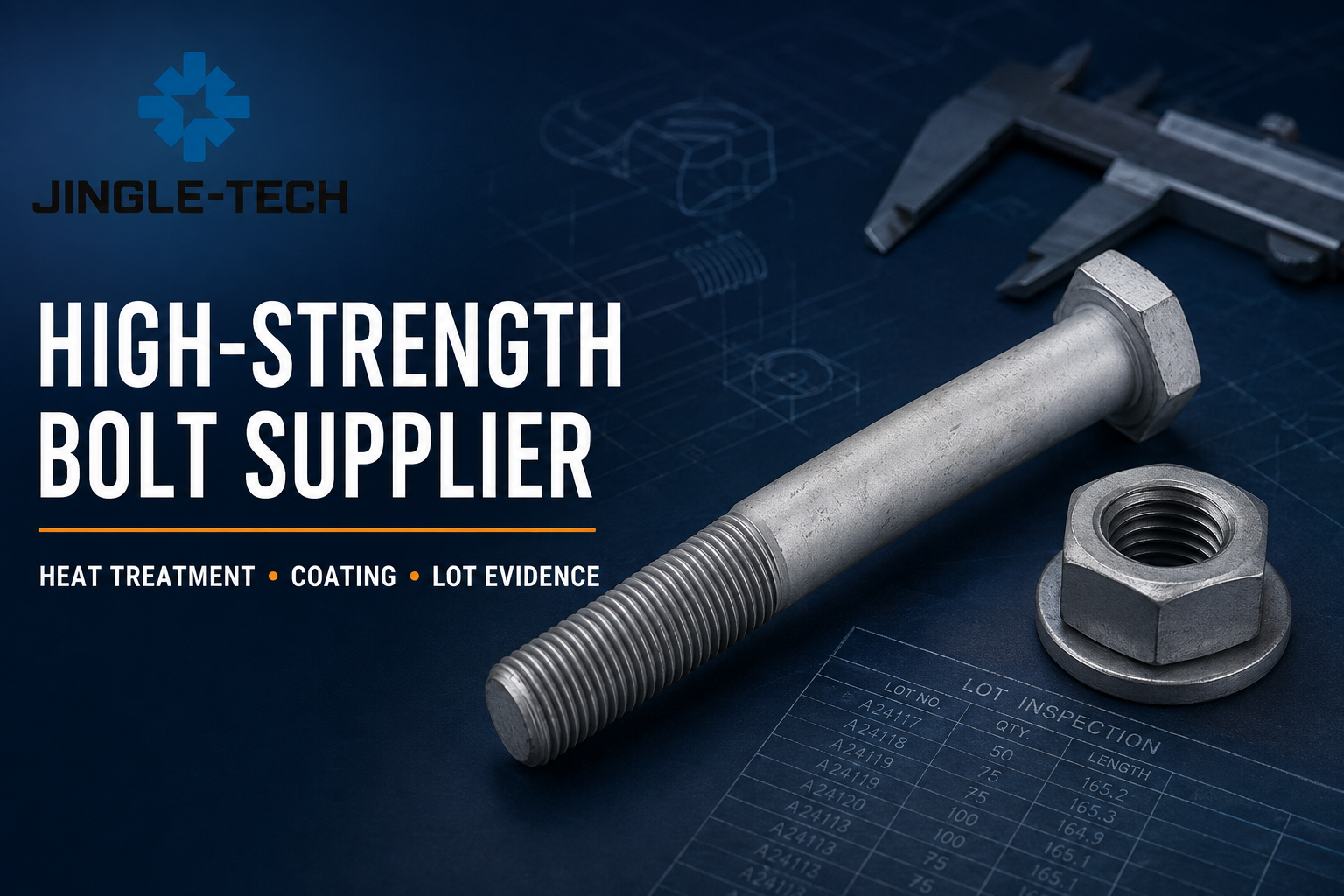
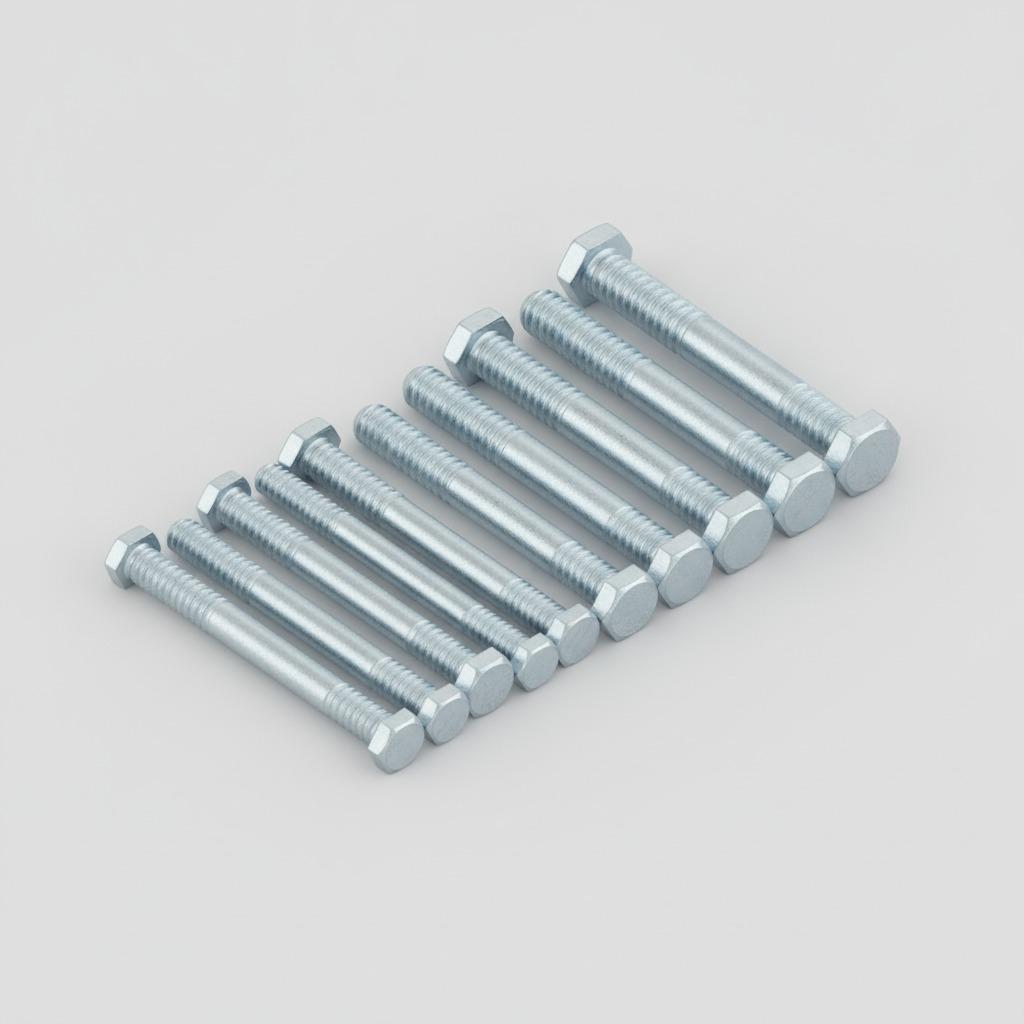
DIN933 is commonly used to describe a hexagon head bolt with a full thread along the shank length. In day-to-day purchasing, that full-thread design is the detail that matters most. Compared with partially threaded bolts, full-thread hex bolts are often selected when the joint design does not need an unthreaded grip section or when a compact assembly is preferred.
Because the standard is widely recognized, it simplifies sourcing across machines, frames, brackets, covers, and general industrial assemblies. It also makes replacement work easier. A maintenance team can identify the bolt form quickly, and the sourcing manager can compare suppliers on practical points instead of clarifying the basic geometry from scratch.
Why the Standard Matters in Real Production
In manufacturing, a fastener standard is more than a label. It shapes compatibility across suppliers and helps reduce drawing ambiguity. That is important when parts are purchased from different regions or when production runs are split across multiple vendors. If everyone is working to the same bolt form, the risk of mismatched hardware goes down.
Still, the standard alone does not define the whole buying decision. Material selection, surface finish, and load requirements can change the outcome dramatically. A carbon steel bolt with a zinc finish may be fine for indoor assemblies, while a more demanding environment may call for better corrosion resistance. The point is simple: DIN933 narrows the search, but it does not finish it.
Key Selection Points for Buyers
When evaluating a DIN933 bolt, start with the application rather than the catalog page. The first check is size: diameter, length, and thread specification need to match the mating parts and nut or tapped hole. Then look at strength grade, since not all hex bolts are built for the same load level. Engineers tend to care about this first; procurement should care about it as well, because a cheaper fastener is not cheaper if it causes assembly failures.
Next comes the material and coating. Indoor equipment, electrical enclosures, outdoor frames, and machinery near moisture all have different requirements. Buyers sometimes focus too heavily on appearance, especially with plated fasteners, but coating choice should be driven by service life and environment. A bolt that looks fine on day one can still be a poor long-term choice.
Practical cautions that save trouble later
One common mistake is treating all hex bolts as interchangeable because the head looks similar. Another is assuming a full-thread bolt will always be the best option. In some joints, thread engagement location and clamping behavior matter more than convenience. It is also worth checking whether the installation method needs a particular head style or wrench access, since cramped assemblies can turn a standard bolt into an annoying one.
Where DIN933 Often Fits Best
This standard is widely used in general machinery, metal fabrication, structural brackets, enclosures, frames, and repair work. It is especially useful where repeatability matters and where fastener identification should be straightforward. In mixed-supplier environments, a widely recognized bolt standard can reduce confusion at receiving, in kitting, and on the assembly line.
That said, buyers should resist the temptation to specify only the standard and nothing else. A complete fastener callout should define the size, material, grade, finish, and any other requirements relevant to the assembly. Otherwise, the purchasing team may receive a technically correct bolt that still does not suit the job.
Buying Advice for Engineering and Sourcing Teams
If you are building a procurement spec, use DIN933 as the foundation and then tighten the other variables. Ask whether the joint needs corrosion protection, whether the line uses automated assembly tools, and whether the parts will be stored for long periods before use. Those details affect packaging, finish choice, and supply reliability more than many teams realize.
For engineering teams, it helps to confirm whether a full-thread bolt supports the design intent. For sourcing teams, it helps to compare suppliers on consistency, documentation, and the ability to supply the exact size range needed without substitutions. In fastener buying, substitution is rarely harmless.
FAQ: Quick Answers on DIN933
Is DIN933 the same as any hex bolt?
No. It refers to a specific hex-head bolt form, commonly understood as a full-thread design. The exact purchasing details still need size and material information.
Can DIN933 be used in outdoor applications?
Sometimes, but only if the material and coating are appropriate for the environment. The standard itself does not guarantee corrosion resistance.
What should I verify before placing an order?
Check dimensions, thread size, strength grade, surface finish, and the application environment. Those points determine whether the bolt will actually perform as intended.
A sensible next step
If you are comparing suppliers, start with a clear technical callout and sample drawings, then ask for confirmation on material, finish, and thread specification before approving a bulk purchase. That one step often prevents the sort of fastener problem that only shows up after the first assembly run.