Best Lifting Anchor Systems for Precast Concrete
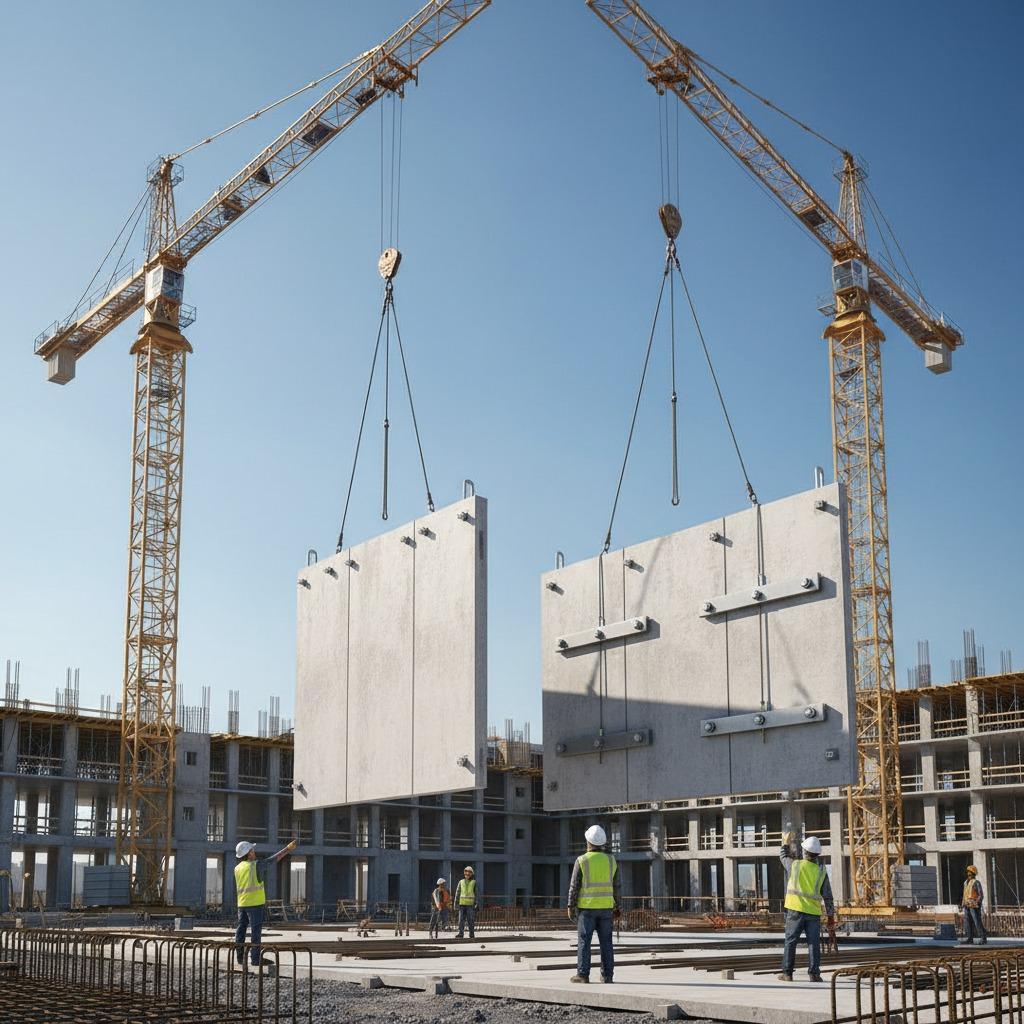
When it comes to constructing durable and efficient structures, the Best Lifting Anchor Systems for Precast Concrete play a pivotal role in ensuring safe and reliable handling during manufacturing, transportation, and installation. These systems are engineered to provide secure attachment points for cranes and lifting equipment, minimizing risks and enhancing productivity on precast projects. Precast concrete, known for its strength and versatility, requires robust lifting solutions that can withstand heavy loads without compromising the integrity of the concrete elements.
Understanding Lifting Anchors in Precast Applications
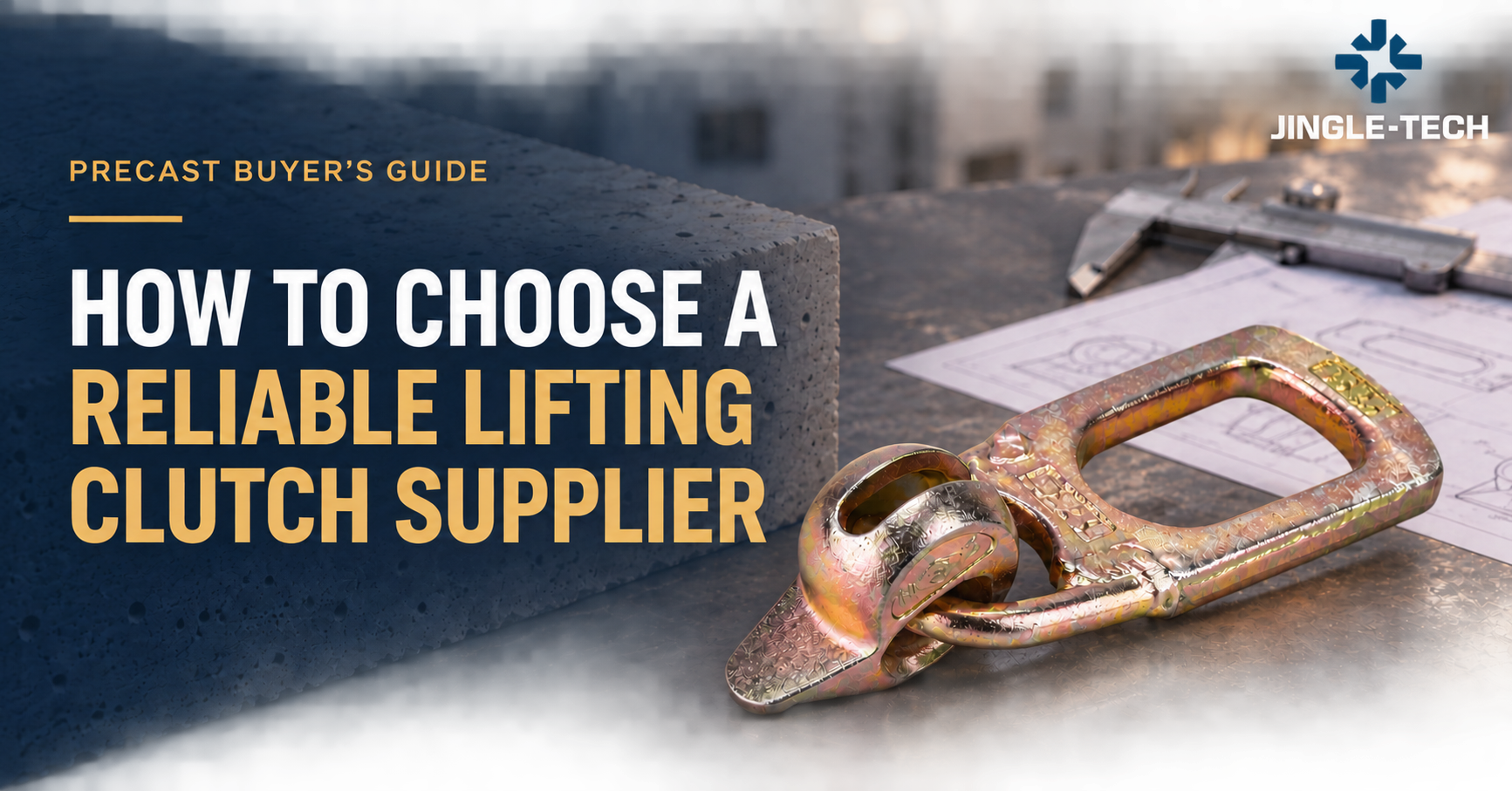
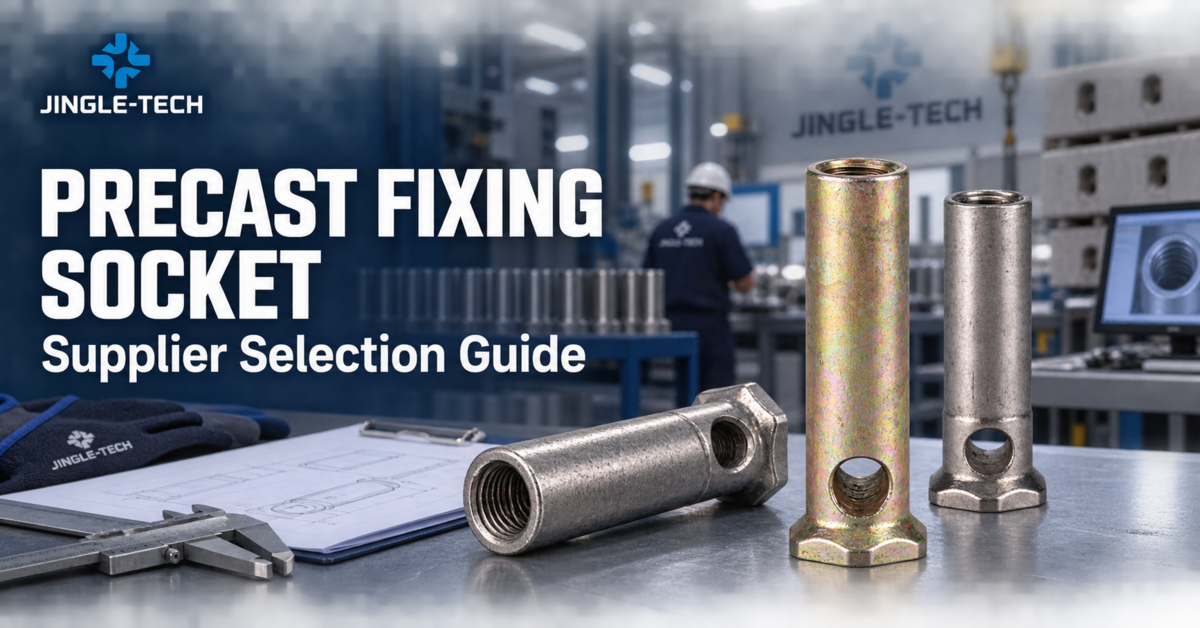
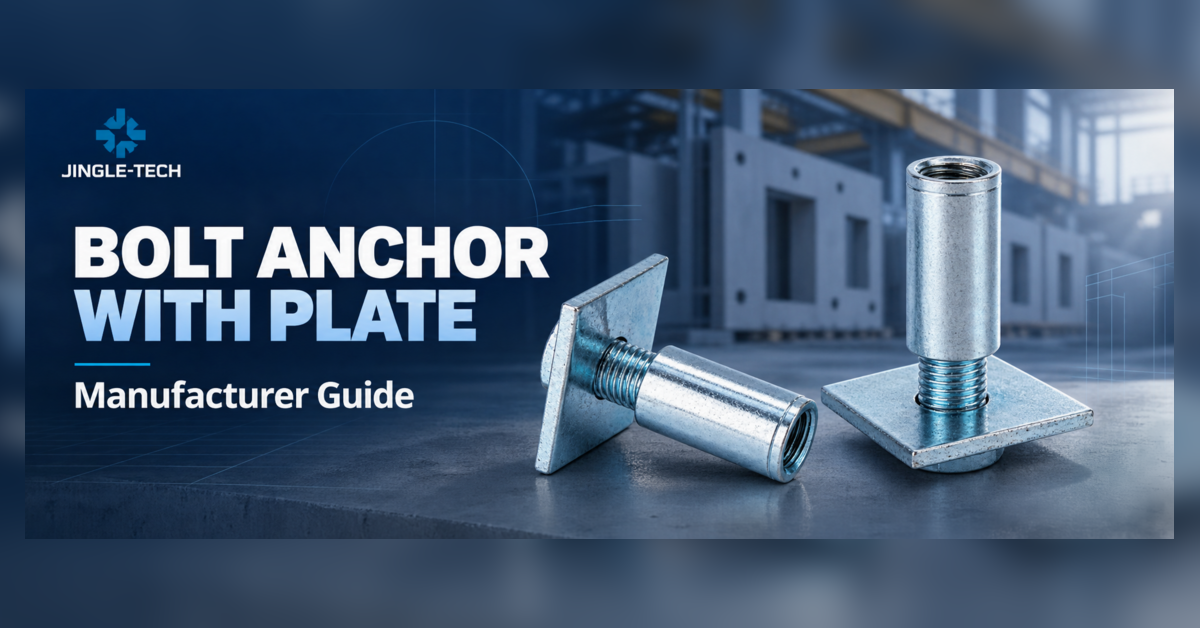
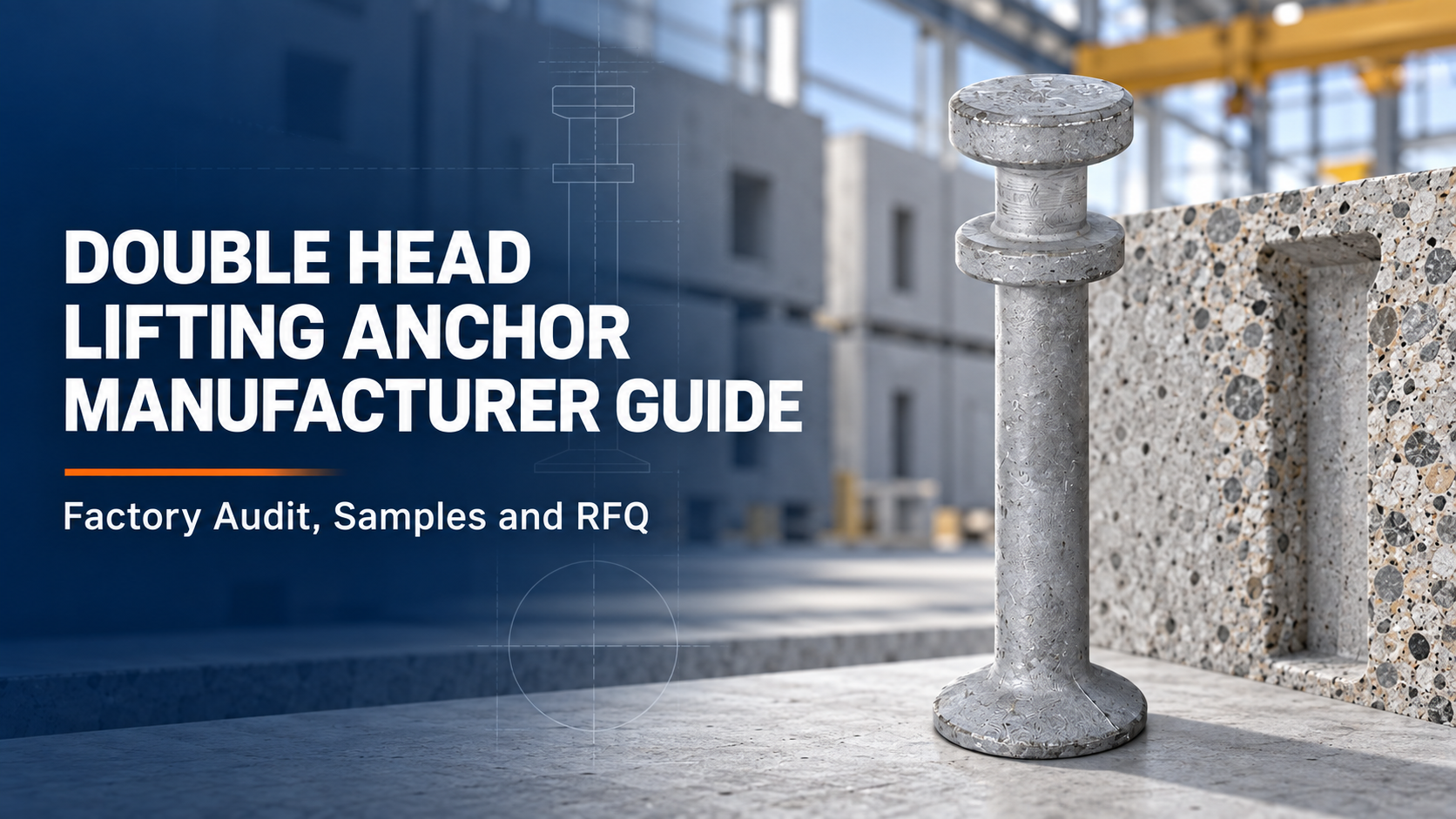
Lifting anchors are embedded within precast concrete panels or beams to facilitate lifting and positioning. The Best Lifting Anchor Systems for Precast Concrete typically include void formers, anchor heads, and suspension loops that work in tandem to distribute loads evenly. For instance, systems like coil inserts or plate anchors are popular for their ease of installation and high load capacities, often supporting weights from several tons up to 20 tons or more. These anchors must comply with international standards such as those from the Concrete Society or ASTM, ensuring they can handle dynamic forces during lifts. Selecting the right system involves considering factors like concrete thickness, edge distance, and environmental conditions to prevent failures that could lead to costly delays or safety hazards.
Top Features of the Best Lifting Anchor Systems
The hallmark of the Best Lifting Anchor Systems for Precast Concrete lies in their material quality and design innovation. High-strength steel anchors, often galvanized or stainless steel for corrosion resistance, ensure longevity in harsh construction environments. Modular designs allow for customization, such as adjustable lifting points for irregular shapes, while integrated safety features like load indicators prevent overloading. Brands like Halfen or Dextra offer systems with recessed plates that reduce protrusion risks, making them ideal for architectural precast elements. Additionally, energy-efficient manufacturing processes in these systems contribute to sustainable building practices, aligning with modern green construction goals.
Benefits and Applications in Modern Construction
Implementing the Best Lifting Anchor Systems for Precast Concrete brings numerous advantages, including faster assembly times and reduced labor costs. In applications ranging from parking structures to high-rise facades, these systems enable precise placement, which is crucial for seismic zones where stability is paramount. Case studies from major infrastructure projects demonstrate how advanced anchors have cut lifting times by up to 30%, boosting overall project efficiency. For precast manufacturers, investing in reliable systems also means fewer rework instances, preserving budgets and timelines. As the industry evolves toward prefabrication, these lifting solutions will continue to drive innovation, supporting the creation of resilient urban landscapes.
Choosing the Right System for Your Project
To select the Best Lifting Anchor Systems for Precast Concrete, start with a thorough load assessment and consult engineering guidelines. Collaborate with suppliers who provide technical support and testing data to match systems to specific needs. Whether for residential slabs or commercial beams, prioritizing systems with proven track records ensures seamless integration into your workflow. By focusing on quality and compatibility, projects not only meet safety standards but also exceed performance expectations, paving the way for successful outcomes in precast construction.