Common Challenges of Precast Concrete Structures
The construction industry relies heavily on precast concrete structures due to its durability and time-saving efficiency. However, a major challenge facing professionals in this field is to handle, lift and install these large and heavy-duty components safely and effectively. The risk of failure to properly use tools and techniques, accidents, delays and material damage is greatly increased. This is a well-designed precast concrete lifting system that becomes essential. 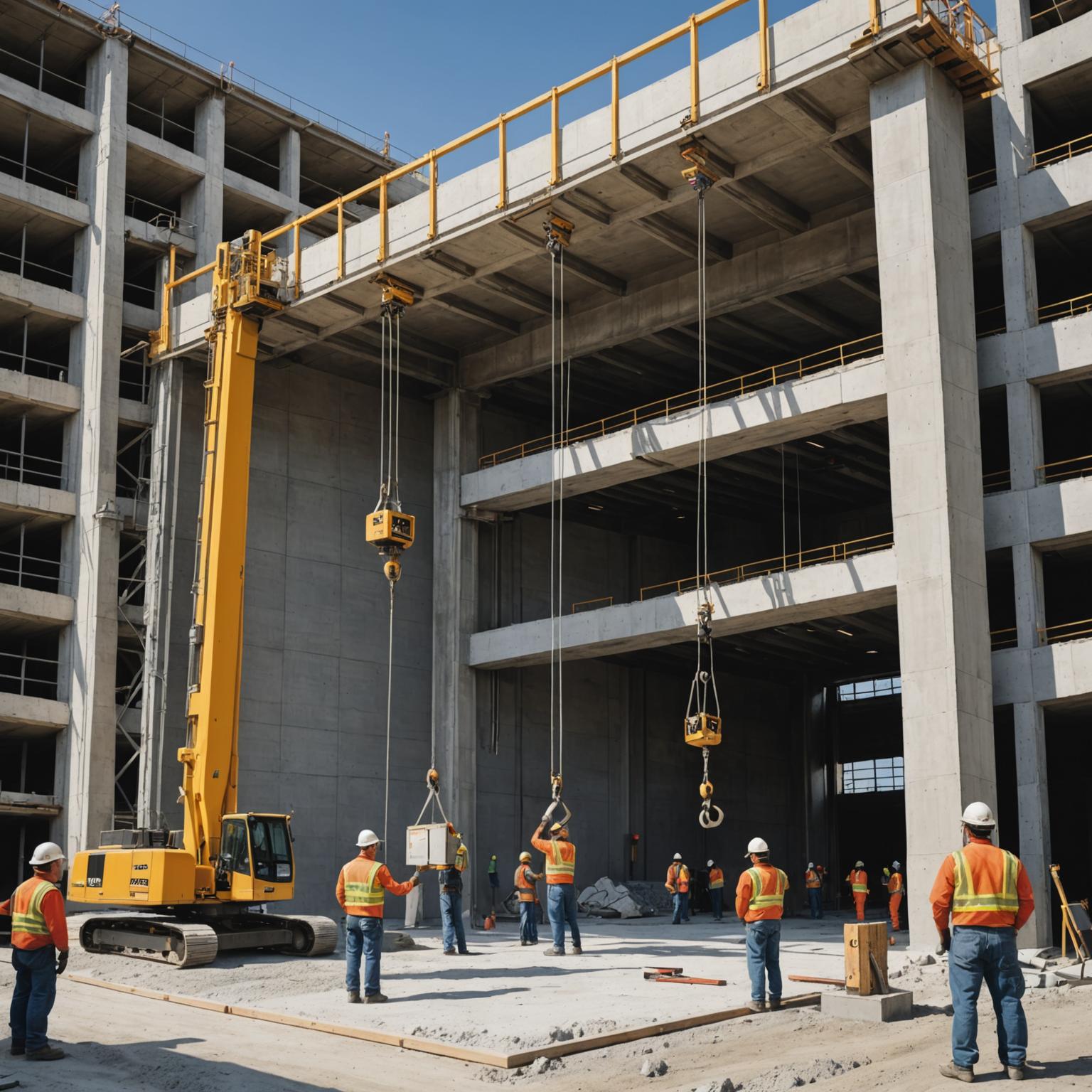
The importance of a reliable lifting system
The lifting system of precast concrete not only ensures safety, but also improves the productivity of construction companies. These systems are designed to handle heavy loads in a precise manner, reduce manual labor, and improve accuracy during installation.
The benefits of using tailor-made lifting solutions include safer material handling, improved operating speeds, and reduced possibility of workplace injuries. Many systems on the market today use advanced technology to make even the most irregular precast concrete components that can be more manageable.
Solutions to solve the improvement challenges
To effectively solve the problem, investing in a lifting system designed specifically for precast concrete is key. These systems provide a combination of reliable hardware, customizable configurations and easy-to-use designs. For projects involving prefabricated weightlifting elements, flexibility in system design is crucial. There are some general considerations:
- Durable Materials: Using high-quality materials in lifting equipment ensures extended life and continuous and reliable performance even under frequent use pressures.
- Easy to operate: The equipment that minimizes complexity in processing enables staff to focus on accuracy and efficiency.
- Scalability: The scalable lifting system allows construction companies to adapt to projects of all sizes without investing too much.
Specialized lifting equipment such as fixtures, lifting cycles, spreaders and vacuum lifts all play different roles in handling precast concrete components, depending on their size, shape and installation requirements.
Competitive Advantages of Quality Systems
The lifting system is specially designed for precast concrete injection into any building project's competitive advantage. Companies with reliable systems tend to have less delays and provide better quality work on security and accuracy. In addition, having an appropriate lift mechanism helps reduce overhead costs associated with repairs, material damage, and downtime caused by manual errors.
With the development of construction practice, it is becoming more and more important to the company's improvement technology development. This not only helps to meet deadlines effectively, but also builds long-term trust with customers through consistent results.
Conclusion
In the world of construction, especially when dealing with precast concrete, the importance of investing in an efficient and safe weightlifting system cannot be exaggerated. Such a system not only solves the fundamental challenges, but also improves the overall productivity and security of the project.
Whether you are building an industrial facility or a residential complex, a tip lifting system designed for precast concrete can be a clear difference between a successful project and a complication-plagued project. Recognizing the importance of choosing the right system and its benefits on the table is an important step in navigating the challenges of modern architecture.