Welcome to our website
logo

Make sure to lift the anchor during construction to ensure safety

  • precast accessories
Posted by JINGLE On Apr 23 2025

The importance of lifting an anchor in safe building practice



In the construction world, ensuring safety and durability is crucial and a crucial component of playing a crucial role is lifting the anchor. Although this keyword seems specific, it represents the basic aspect of the construction and cannot be ignored. The anchor provides the necessary support and stability, especially when dealing with heavy-duty materials or structures (such as concrete forms), which are critical in many construction projects.

Building Challenge Without Proper Anchor


A common problem facing the construction industry is the handling and placement of heavy materials. Without proper use of foot anchors, the risk of structural instability increases significantly. This can lead to on-site hazardous conditions, potential accidents and long-term durability issues of the final structure. In addition, the lack of safely installed anchors can lead to misbehavior of materials, resulting in inefficiency and increased costs.

Solution with high-quality lifting of foot anchors


High-quality lifting foot anchors provide reliable solutions to these challenges by ensuring safe and precise positioning of heavy-duty concrete forms and similar materials. These anchors are designed to handle large loads, providing the necessary leverage and support to prevent misfortune. For example, the importance of proper anchoring becomes apparent when products such as indoor doctor concrete candle holders made of strong concrete are used. These holders embody how to achieve elegant design and functionality without compromising stability and security. These holders have a good, yet sophisticated industrial design with modern architectural aesthetics without sacrificing their solid nature.

By incorporating lifting anchors in the initial stages of the building, companies can enhance their construction strategies to ensure safety and durability. This proactive approach not only mitigates risks, but also contributes to a smoother construction process, ultimately resulting in a structure that stands the test of time. Therefore, the strategic use of bringing up the anchor must be part of any integrated building plan, which shows that each project has a commitment to quality and safety.
Featured Blogs

Tag:

  • lifting foot anchor
Share On
Featured Blogs
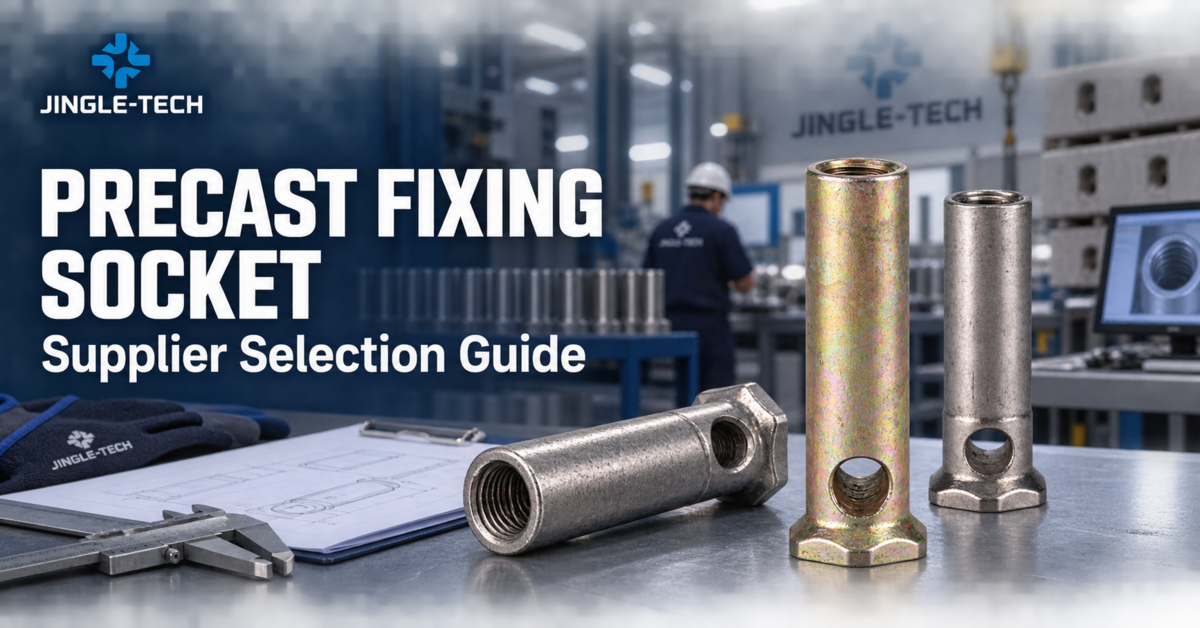
Precast Fixing Socket Supplier Guide: Thread, Anchorage, Samples and RFQ Checks

Precast Fixing Socket Supplier Guide: Thread, Anchorage, Samples and RFQ Checks

Choose a precast fixing socket supplier by checking thread details, anchorage style, material route, sample fit, inspection records, packing method and RFQ scope.

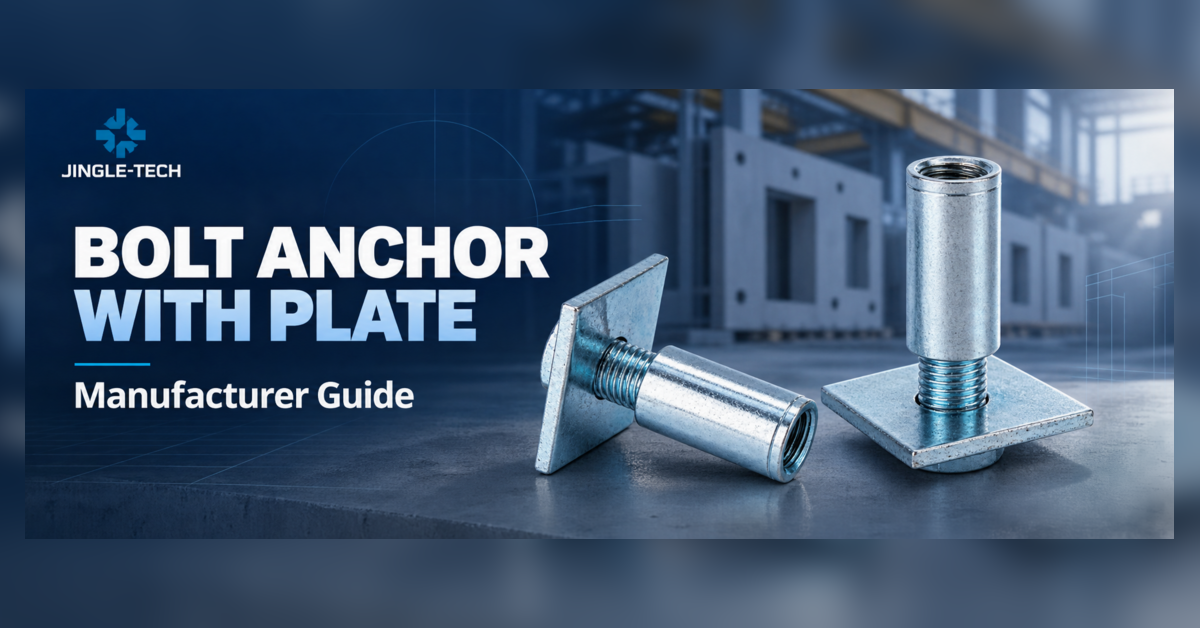
Bolt Anchor With Plate Manufacturer Guide: Drawing, Plate Welds, Samples and RFQ

Bolt Anchor With Plate Manufacturer Guide: Drawing, Plate Welds, Samples and RFQ

Choose a bolt anchor with plate manufacturer by checking drawings, plate quality, weld or forming route, thread fit, traceability, samples, packing and RFQ scope.

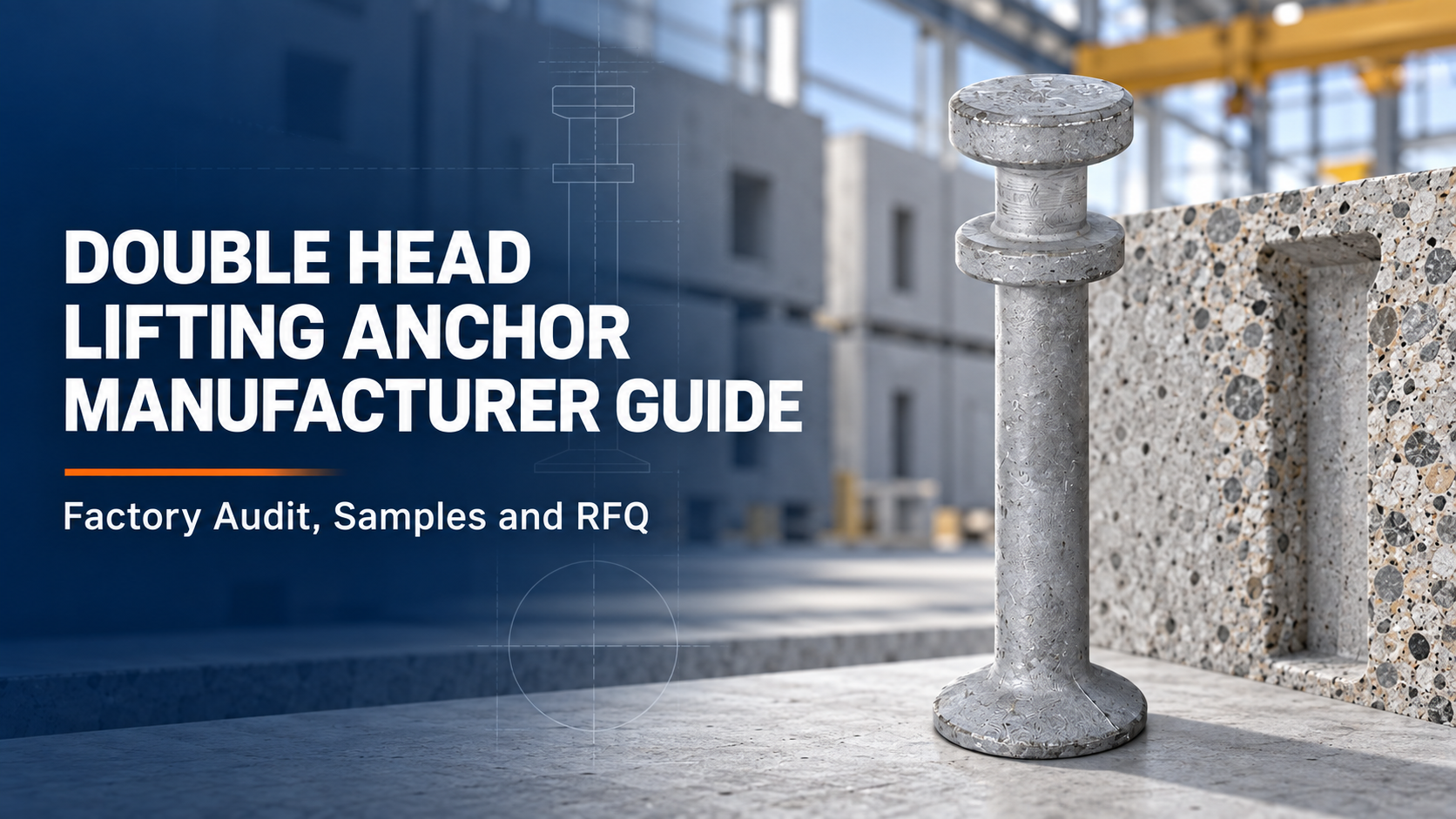
Double Head Lifting Anchor Manufacturer Guide: Factory Audit, Samples and RFQ

Double Head Lifting Anchor Manufacturer Guide: Factory Audit, Samples and RFQ

Audit a double head lifting anchor manufacturer by checking the approved system, head geometry, mating hardware, materials, process controls, samples, marking, traceability and RFQ scope.

Precast Ferrule Insert Supplier Guide: Thread Fit, Anchorage, Samples and RFQ

Precast Ferrule Insert Supplier Guide: Thread Fit, Anchorage, Samples and RFQ

Qualify a precast ferrule insert supplier by checking function, full thread designation, mating bolt, concrete anchorage, mould fixing, materials, samples, inspection evidence, and RFQ scope.

How to Qualify a Coil Loop Insert Manufacturer for Precast and Forming Orders

How to Qualify a Coil Loop Insert Manufacturer for Precast and Forming Orders

Qualify a coil loop insert manufacturer by checking the exact insert family, mating coil thread, controlled drawing, welds, material, finish, samples, inspection evidence, packing, and RFQ scope.

Rubber Recess Former Manufacturer Guide: Rubber vs Plastic for Precast Production

Rubber Recess Former Manufacturer Guide: Rubber vs Plastic for Precast Production

Compare rubber and plastic recess formers by anchor-system fit, mould fixing, removal method, material evidence, sample performance, and bulk-order control rather than colour or unit price alone.