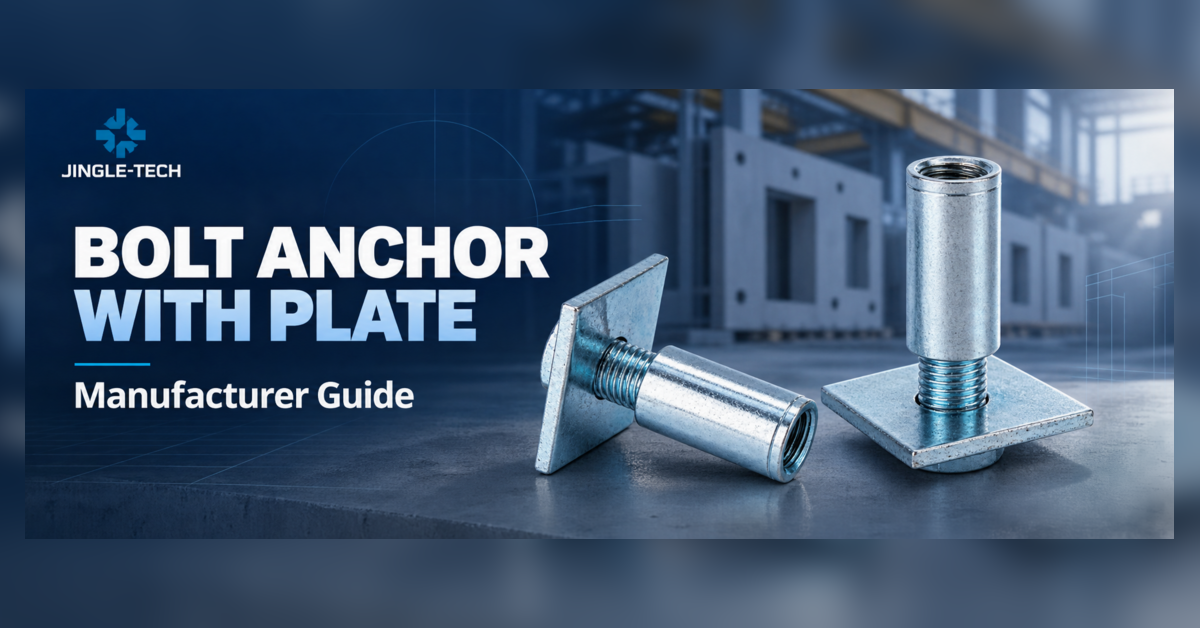
Understanding the Importance of Lifting Foot Anchors
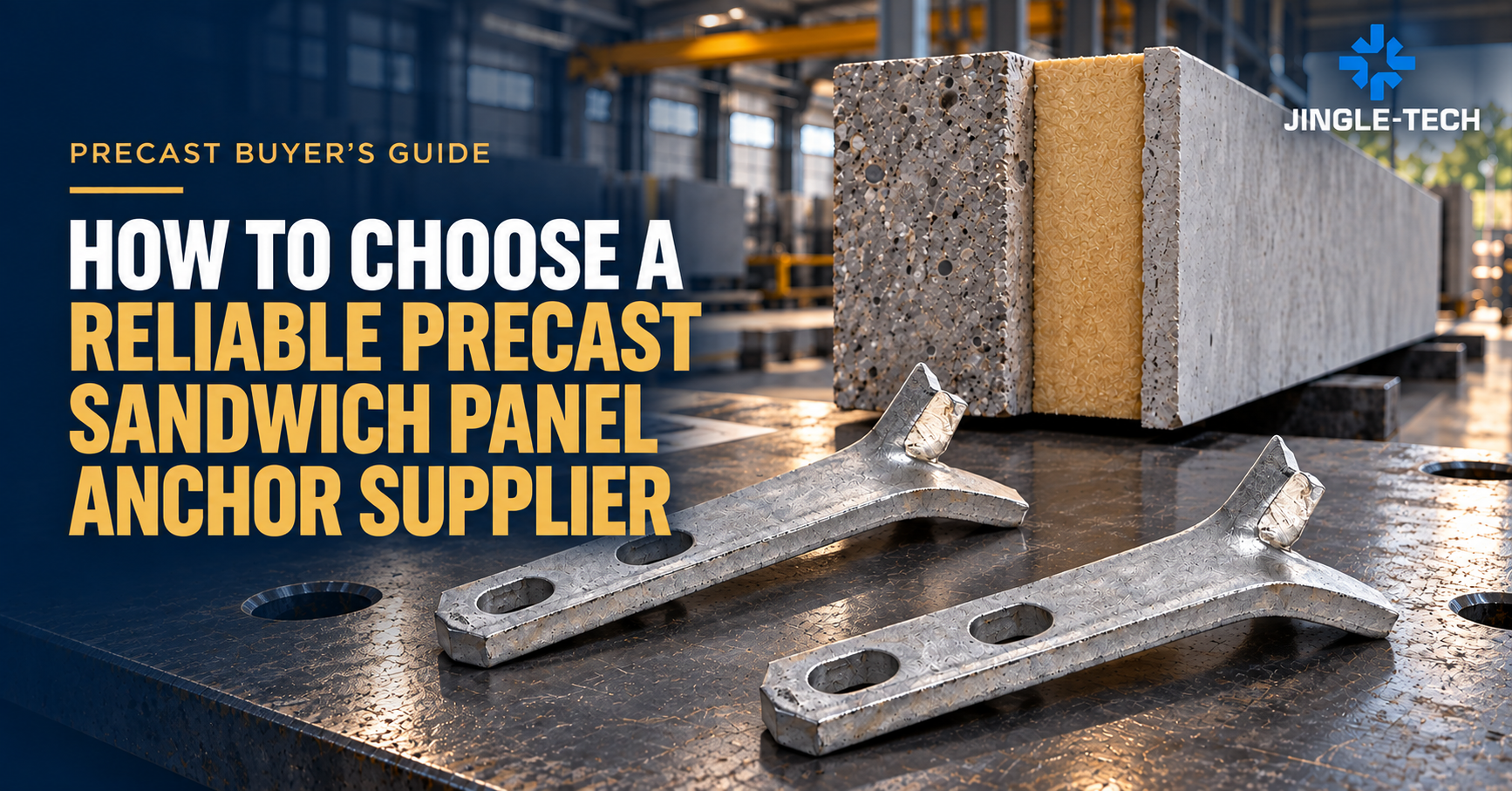
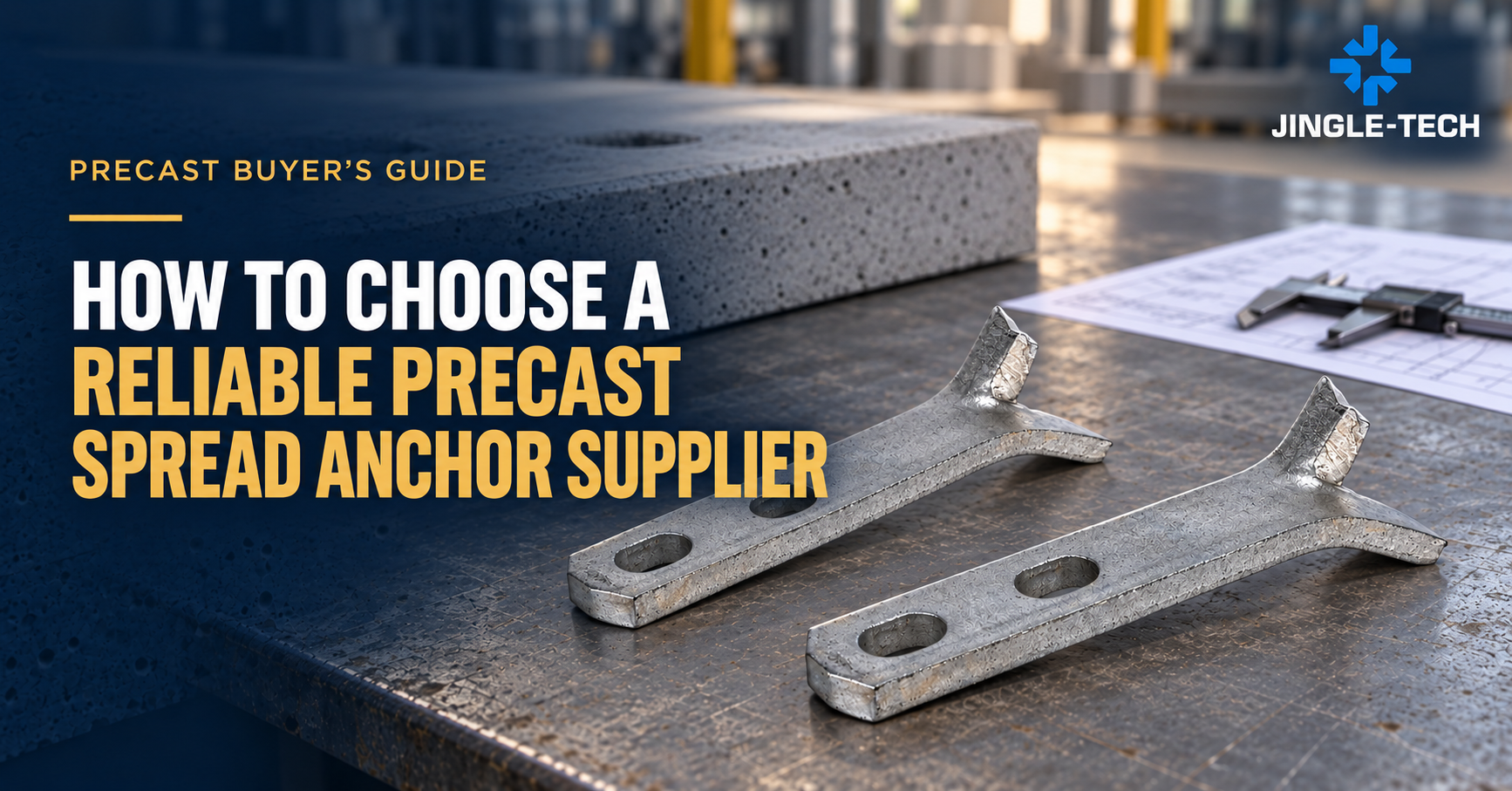
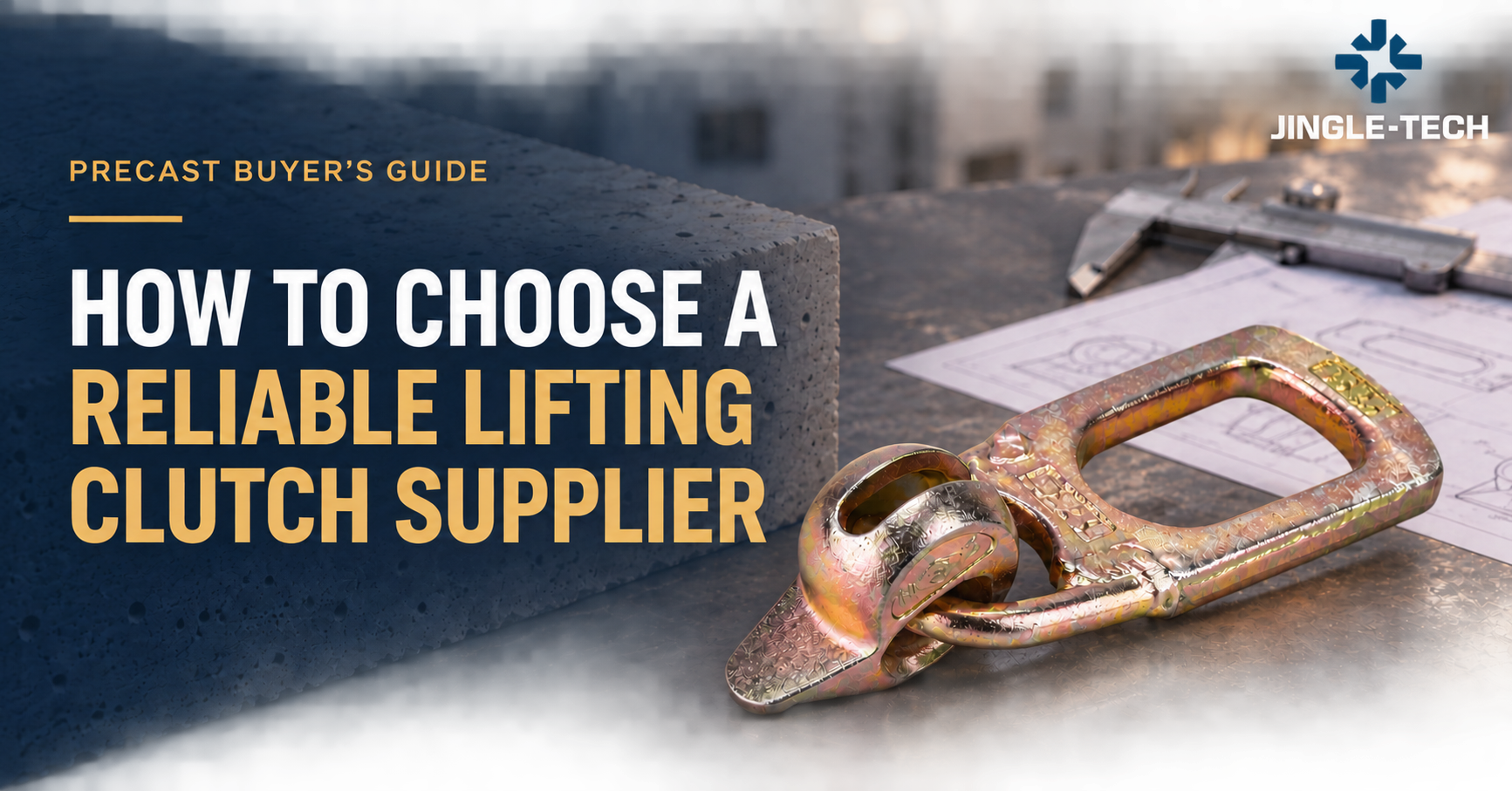
When it comes to ensuring the safety and efficiency of lifting operations, a lifting foot anchor is an indispensable tool. Designed to provide secure and reliable attachment points, these anchors play a crucial role in handling heavy loads safely. Whether you're working on construction sites, industrial projects, or complex installations, a dependable foot anchor for lifting can make all the difference.
The Challenges of Heavy Lifting
Heavy lifting operations come with a variety of challenges. The risk of load failure, improper attachment points, and inefficient handling methods can endanger workers, compromise project timelines, and lead to costly damages. Many industries grapple with finding reliable solutions to secure loads and guarantee safety during lifting tasks. This need is particularly critical in environments with dynamic and varied demands. Without the proper tools, teams are forced to rely on makeshift solutions, many of which fall short in durability and reliability.
How Lifting Foot Anchors Provide Solutions
The introduction of lifting foot anchors has revolutionized the way industries approach lifting operations. These specialized devices are built for optimal strength and stability, ensuring that even the heaviest loads are securely anchored. Manufactured from robust materials, lifting foot anchors are designed to withstand extreme pressures, making them suitable for extensive use in demanding environments.
Moreover, these anchors are versatile and easy to install, meaning that teams can adapt them to various lifting scenarios without prolonged setup times. Their innovative design ensures minimal wear and tear, enhances safety, and boosts productivity during operations. Teams no longer need to compromise between safety and speed—a lifting foot anchor delivers both. For industries that prioritize efficiency without sacrificing worker safety, this solution is invaluable.
Selecting the Right Lifting Foot Anchor
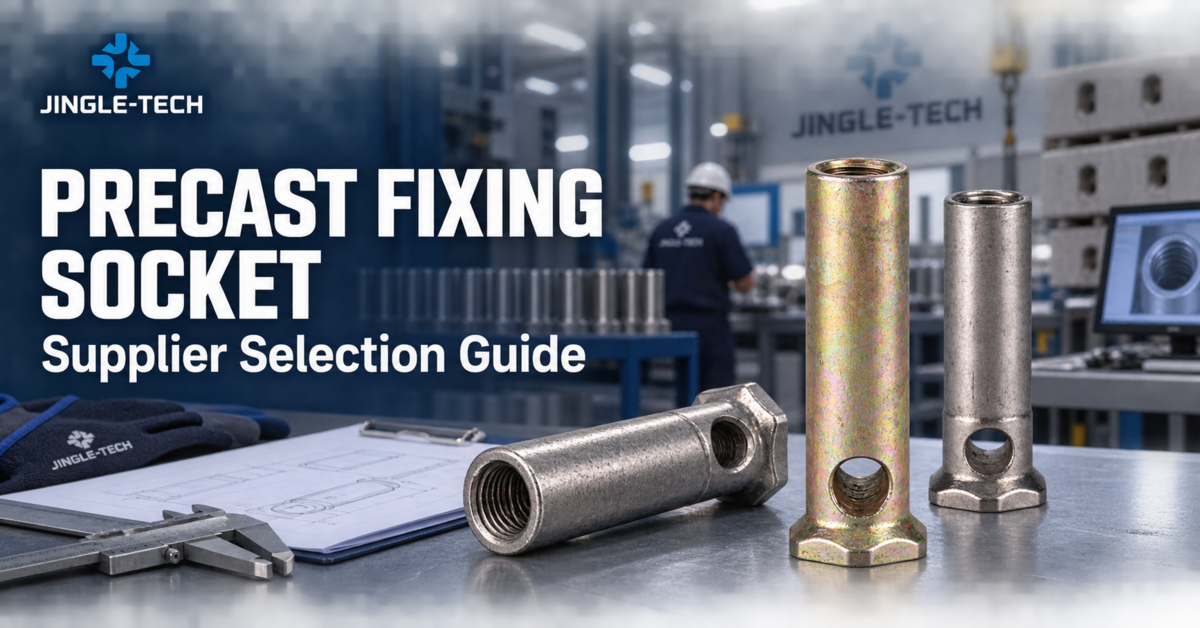
Finding the ideal foot anchor for lifting involves understanding your specific needs. Factors to consider include load capacity requirements, durability, and compatibility with the type of lifting systems used. By choosing a high-quality and well-designed anchor, businesses can eliminate risks, meet project demands, and save time without compromising on safety.
Investing in cutting-edge lifting foot anchors, particularly ones that adhere to industry standards, ensures long-term reliability. Whether you're upgrading your current equipment or equipping a new lifting setup, these anchors empower teams to achieve their goals efficiently and securely.
In conclusion, lifting foot anchors are a must-have for modern lifting operations. Providing robust solutions to common lifting challenges, they help businesses achieve reliability and safety while managing even the toughest tasks. Consider integrating a lifting foot anchor into your operations and take the first step toward safer and more successful projects.