Introduction to Screws for Harsh Environments
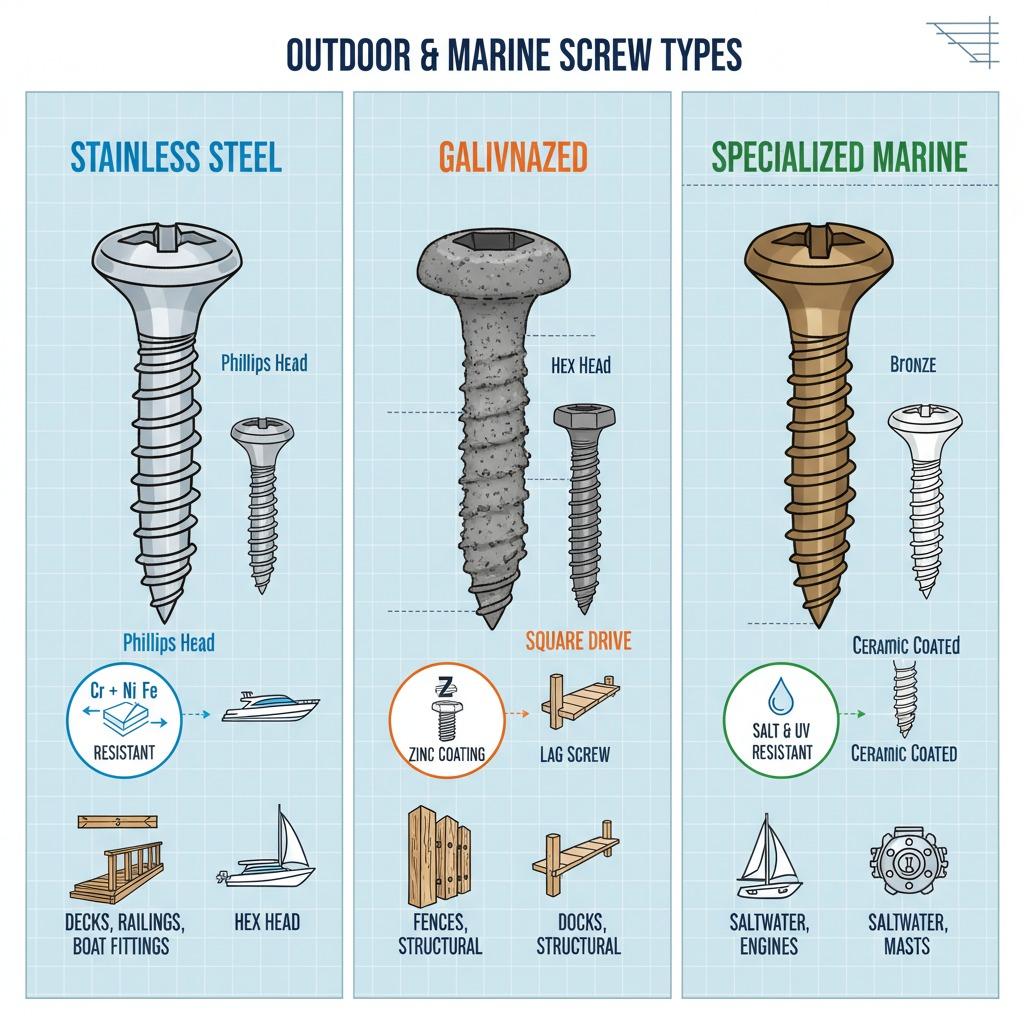
When it comes to construction and maintenance in challenging conditions, selecting the right Types of Screws for Outdoor and Marine Environments is crucial for durability and safety. These specialized fasteners are engineered to withstand moisture, salt exposure, temperature fluctuations, and corrosive elements that can quickly degrade standard screws. Whether you're building a deck, securing boat fittings, or installing outdoor furniture, understanding the various types ensures your projects last longer and perform reliably. In this article, we'll explore the key categories of screws designed for these tough settings, highlighting their materials, features, and best applications.
Stainless Steel Screws: The Go-To Choice for Corrosion Resistance
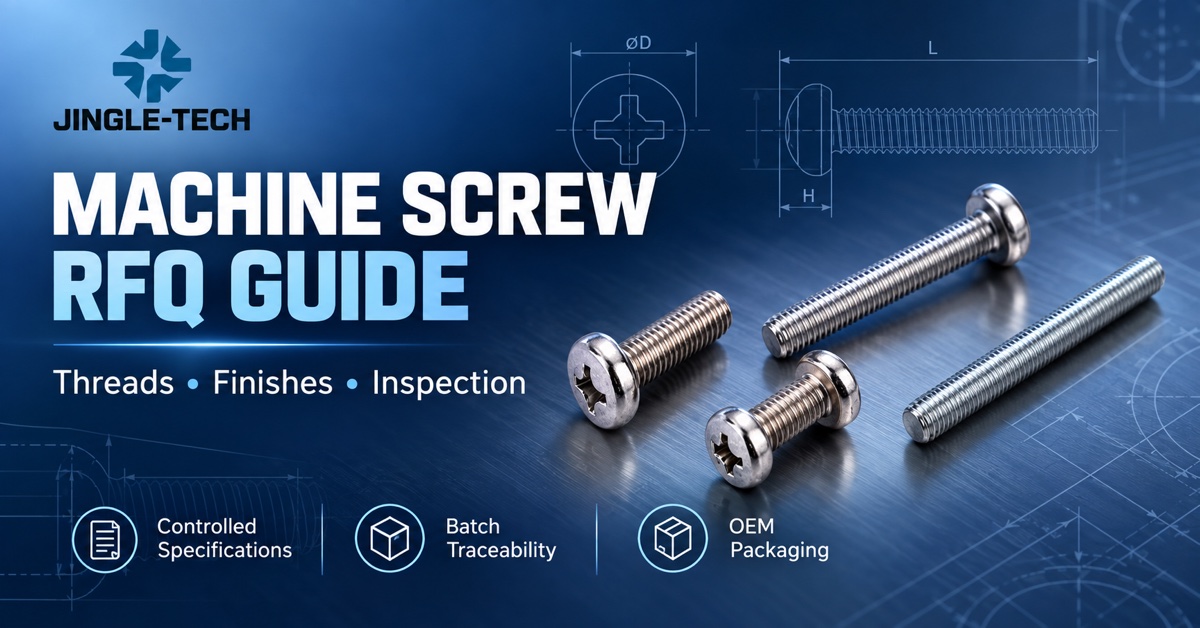
Stainless steel screws top the list for Types of Screws for Outdoor and Marine Environments due to their exceptional resistance to rust and corrosion. Made from alloys like 304 or 316 grades, these screws contain chromium and nickel, which form a protective oxide layer on the surface. The 316 variety, often called marine-grade stainless steel, is particularly suited for saltwater exposure because it includes molybdenum, enhancing its ability to fight pitting from chlorides. For outdoor applications such as fencing or pergolas, 304 stainless steel works well in less aggressive freshwater or rain conditions. These screws come in various head types—like pan, flat, or hex—for different fastening needs, and their threads are often self-tapping to simplify installation in wood or metal. However, while highly durable, they can be more expensive than other options, making them ideal for high-stakes projects where failure isn't an option.
Galvanized and Coated Screws for Cost-Effective Protection
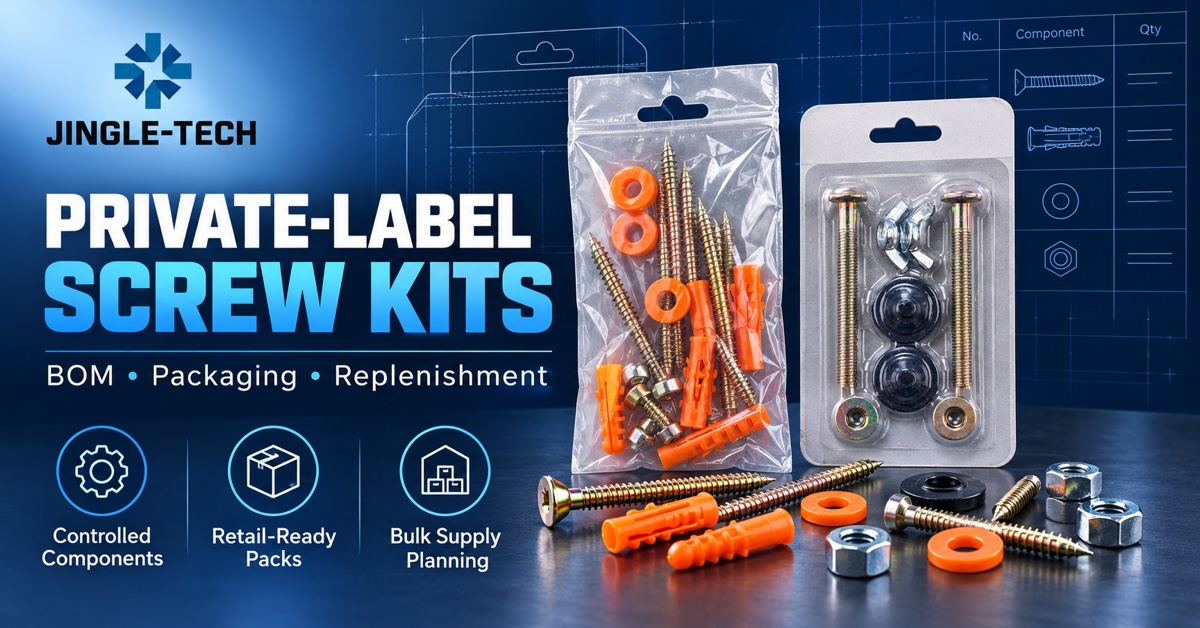
For budget-conscious builders, galvanized screws offer a robust alternative among Types of Screws for Outdoor and Marine Environments. This type undergoes a hot-dip galvanizing process, coating the steel with a layer of zinc that acts as a sacrificial barrier against corrosion. They're excellent for outdoor structures like sheds, gates, or playground equipment exposed to rain and humidity but less ideal for direct marine use, as the zinc can erode quickly in saltwater. Hot-dipped galvanized screws provide thicker protection compared to electro-galvanized ones, which use a thinner electrolytic coating suitable for indoor-outdoor transitions. Additionally, screws with specialized coatings, such as ceramic or polymer-based finishes, enhance performance in marine settings by providing an extra shield against UV rays and chemicals. These coated varieties are commonly used in boat trailers or dock installations, where they balance affordability with longevity. Always check the coating's thickness and warranty to ensure it meets your environmental demands.
Specialized Marine Screws and Emerging Innovations
In true marine environments, like on decks or hulls, specialized marine screws stand out as premium Types of Screws for Outdoor and Marine Environments. These often feature bronze or silicon bronze construction, which naturally resists corrosion without needing coatings—bronze screws are non-magnetic and won't interfere with onboard electronics. For even harsher conditions, titanium screws provide unparalleled strength-to-weight ratio and immunity to galvanic corrosion when paired with dissimilar metals. Innovations like screws with integrated seals or O-rings prevent water ingress at the fastening point, crucial for submerged or splash-zone applications. When choosing, consider factors like thread pitch for material grip—coarse threads for softwoods in outdoor decks, fine for metals in marine hardware. Proper installation, including pilot holes and sealants, maximizes their effectiveness. By selecting the appropriate type, you not only extend the life of your project but also reduce maintenance costs over time.
Best Practices for Selection and Use
To make the most of Types of Screws for Outdoor and Marine Environments, evaluate your specific exposure risks: inland outdoors might suffice with galvanized options, while coastal or oceanic projects demand marine-grade materials. Test compatibility with your substrates to avoid issues like wood swelling or metal seizing. Storage is key—keep screws in dry, sealed containers to preserve their protective layers until use. Consulting standards from organizations like ASTM ensures quality. With these insights, you're equipped to choose screws that endure the elements, ensuring safe and long-lasting results for any outdoor or marine endeavor.