What Buyers Actually Need From a Galvanized Fastener Supplier
Choosing a galvanized fastener supplier is rarely just a line-item purchase. For engineers, sourcing managers, and product teams, the real question is whether the fasteners will hold up in service, arrive with consistent quality, and fit the build without becoming a hidden maintenance problem later. Galvanized fasteners are often selected because they offer a practical balance of corrosion resistance, cost, and availability, especially in outdoor, agricultural, construction, utility, and general industrial applications.
That sounds straightforward until a project moves from specification to production. Two suppliers can both say they provide galvanized hardware, yet deliver very different outcomes in coating consistency, mechanical performance, packaging, and documentation. Buyers who focus only on nominal size and price often discover the difference too late, when parts arrive with poor thread fit, uneven coating buildup, or surface damage from shipping.
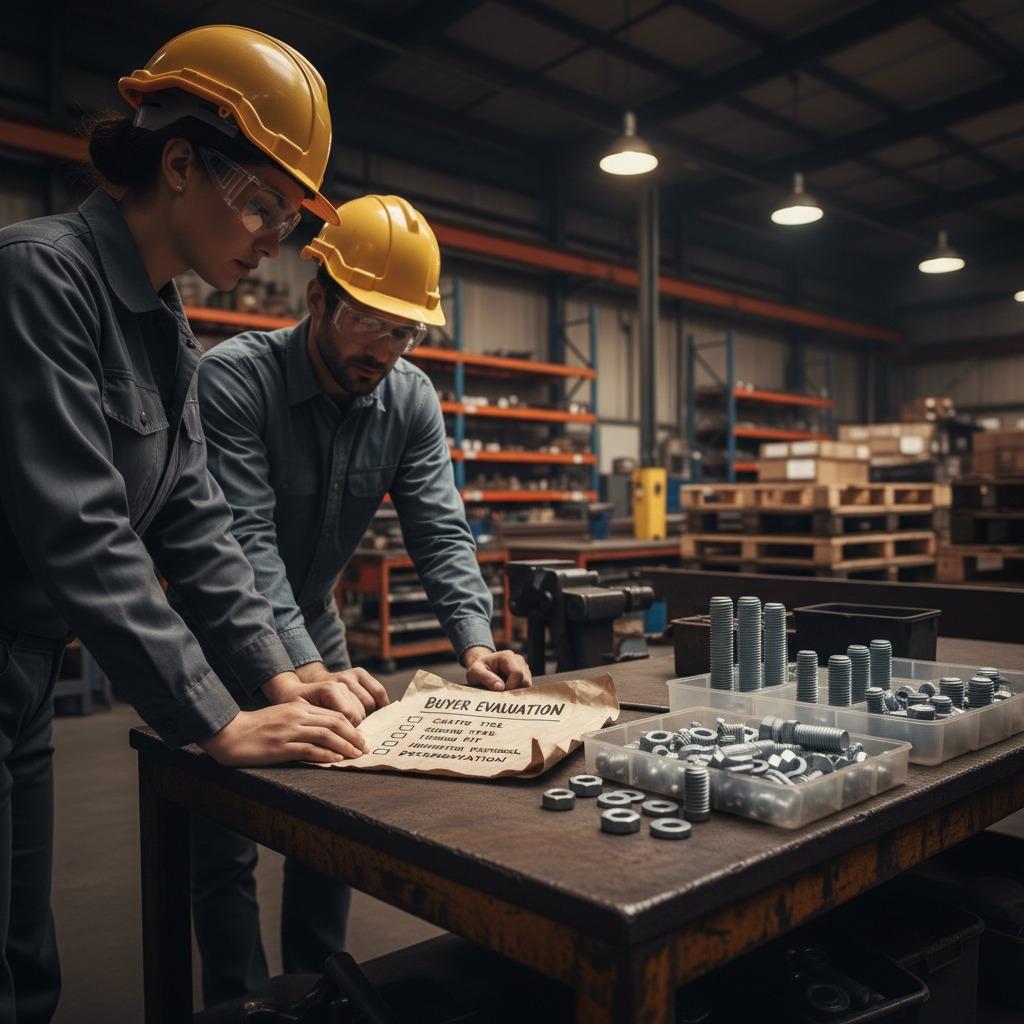
Why Galvanizing Matters in Real Use
Galvanizing is not a decorative finish. Its purpose is to slow corrosion by creating a protective zinc layer between the steel substrate and the environment. In many common applications, that extra barrier can extend service life significantly compared with uncoated carbon steel. The exact performance depends on the coating type, thickness, environment, and how the fastener is handled after coating.
For buyers, the practical value is simple: galvanized fasteners reduce replacement frequency and support lower maintenance costs. That matters in assemblies where access is difficult, downtime is expensive, or the hardware is exposed to moisture, road spray, or weather cycling. Still, galvanizing is not the answer for every environment. Highly corrosive chemical settings, submerged service, or precision assemblies may call for other materials or coatings. This is where a competent supplier should help, not just sell stock.
What to Compare Before You Place an Order
A good purchasing decision starts with more than the word “galvanized.” Buyers should ask what type of galvanizing is used, how the coating affects thread engagement, and whether the parts are suitable for the intended assembly method. That is especially important for smaller threaded fasteners, where coating buildup can change fit in a way that causes binding or uneven installation torque.
Coating type and application fit
Not all galvanized fasteners behave the same. Depending on the process, the finish may be better suited to heavy-duty structural work, general outdoor use, or mass-produced assembled goods. The supplier should be able to explain the process at a practical level and help you match it to the environment and hardware geometry.
Mechanical consistency
Even when the coating is right, the fastener still has to perform mechanically. Thread quality, dimensional repeatability, and base material consistency all matter. A supplier serving production buyers should understand that a box of fasteners is not “close enough” if it slows line assembly or forces secondary inspection.
Packaging and handling
It is easy to overlook packaging, but damaged coatings from bulk transport can erase much of the benefit of galvanizing. Bags, cartons, separators, and pallet methods should match the fastener type and volume. If parts arrive scuffed, threaded ends are deformed, or mixed lots are visible, the problem is not cosmetic. It becomes a quality-control issue immediately.
Common Buyer Mistakes
The first mistake is assuming all galvanized parts are interchangeable. They are not. A fastener that works well in one assembly may be too coarse, too thickly coated, or simply the wrong corrosion option for another. The second mistake is over-specifying finish while under-specifying the base fastener. Strong coating cannot rescue poor steel quality or bad thread formation.
Another frequent problem is overlooking documentation requirements. Depending on the application, buyers may need material traceability, dimensional confirmation, or conformity to a particular standard. If that paperwork matters to your project, raise it early. Do not leave it until the purchase order is already moving.
How to Evaluate a Supplier, Not Just the Product
A reliable galvanized fastener supplier should be able to do more than quote part numbers. Look for clear communication on finish type, assembly implications, and order repeatability. Ask how they manage variation between lots, what inspection steps they use, and how they handle nonconforming material. The best suppliers tend to speak plainly about limits as well as strengths.
It also helps when the supplier understands buying reality. Production teams may need stable replenishment. Maintenance buyers may need mixed quantities quickly. OEM teams may need help aligning a catalog item to an internal spec without changing the function of the assembly. A supplier that can navigate those situations saves time long before the shipment arrives.
Practical Questions to Ask Before Sourcing
If you are comparing options, ask these questions early: What galvanizing process is being used? Is the fastener suitable for threaded assembly after coating? What environmental exposure is the part intended for? Can the supplier support recurring orders with the same specification? Are there handling measures in place to protect the coating during shipment?
Those questions may sound routine, but they separate a transaction from a supply relationship. For engineers and buyers, the goal is not simply to buy coated steel. It is to source hardware that performs as expected, does not create avoidable installation headaches, and supports the lifecycle of the product.
When Galvanized Fasteners Make the Most Sense
Galvanized fasteners are often a smart choice when the application needs dependable corrosion protection without moving to a higher-cost specialty material. They are widely used where service conditions are visible, rugged, and maintenance access is limited. In that sense, they remain one of the most practical options in industrial sourcing.
If you are reviewing a new project or replacing an existing hardware spec, the next step is to define the service environment first, then match the fastener and finish to that environment. A capable galvanized fastener supplier can help with that conversation, but only if the buyer brings clear requirements to the table. That usually saves everyone time.