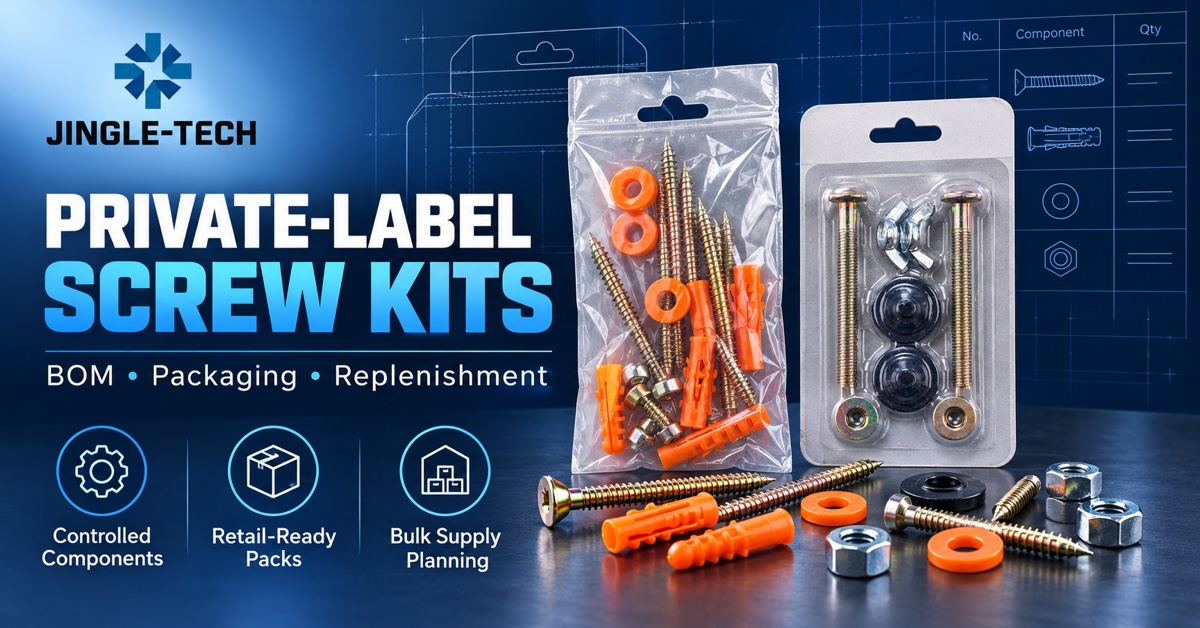
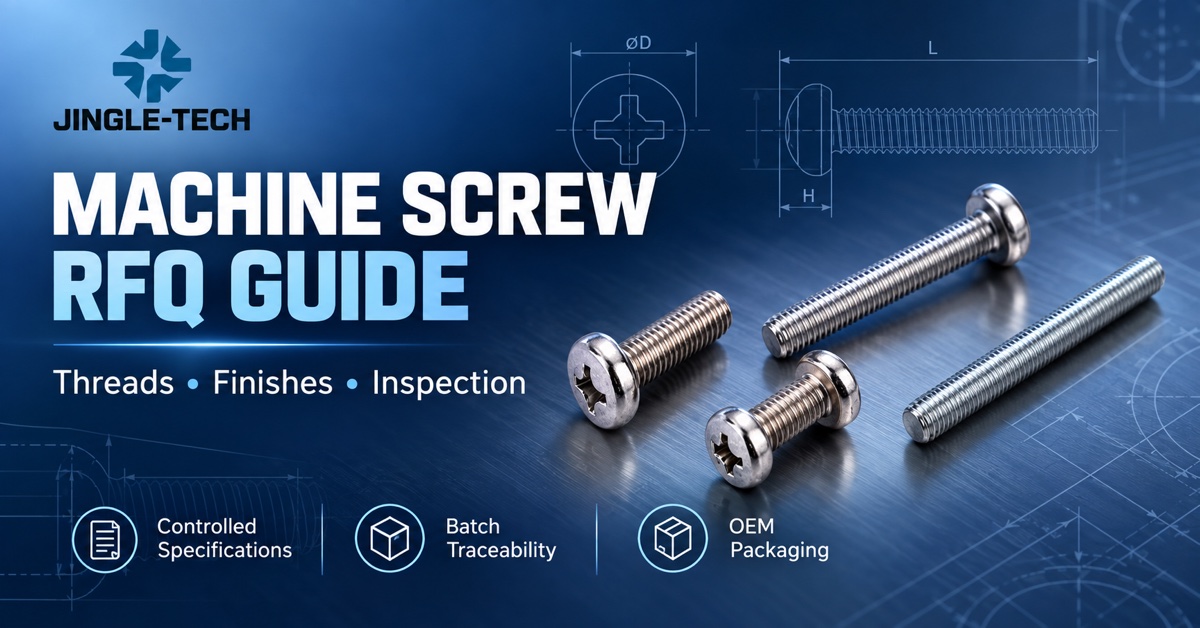
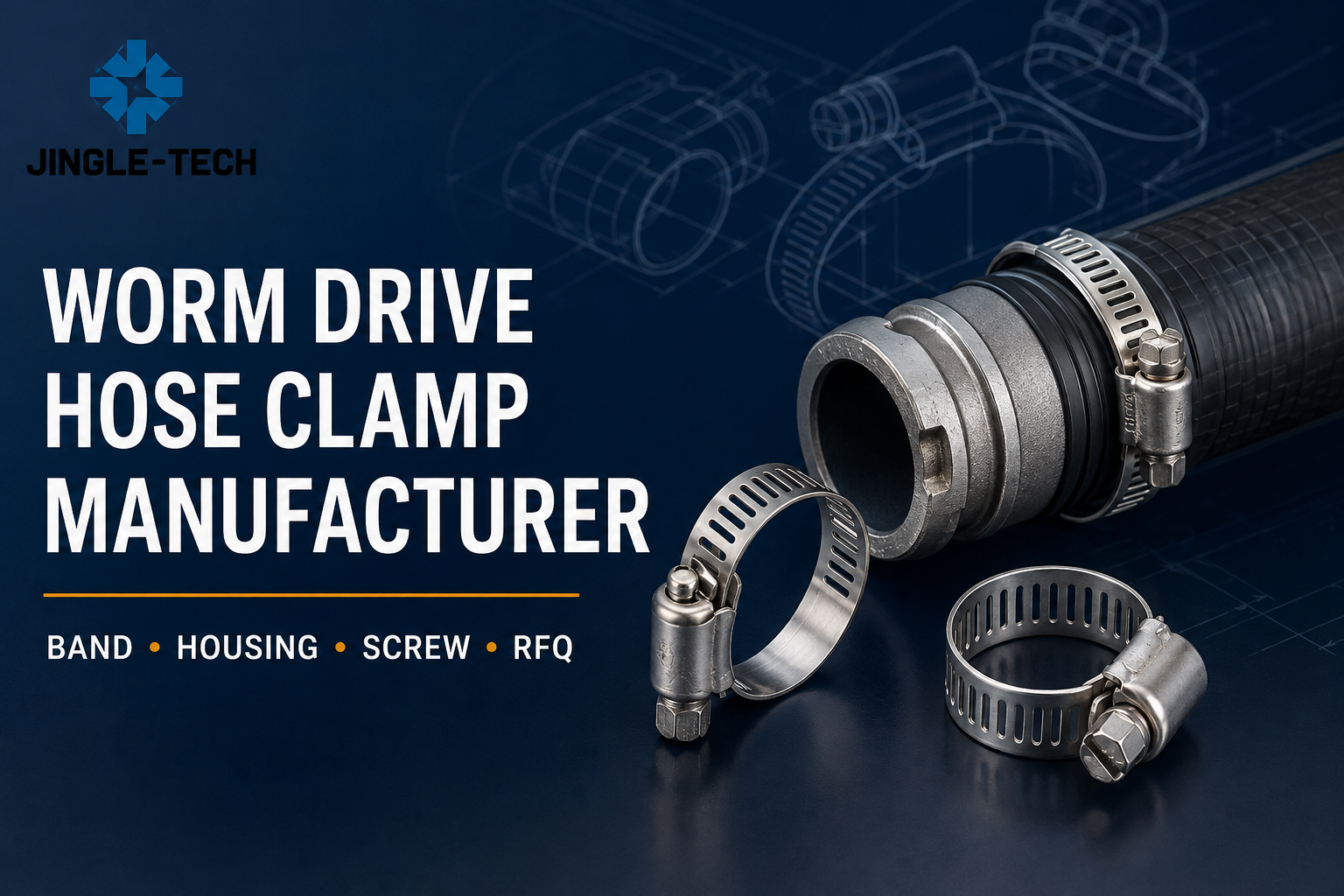
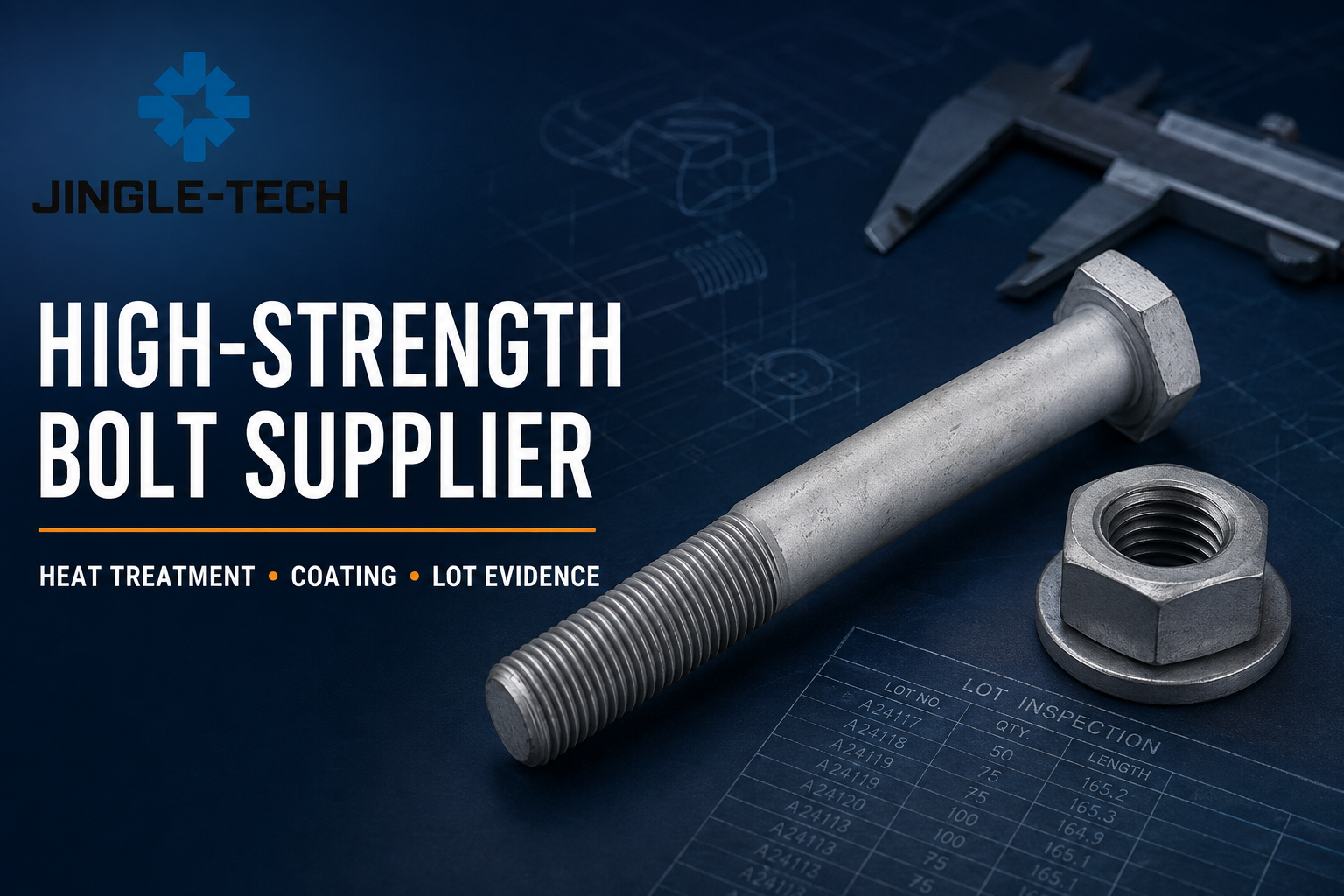
Finding a trusted OEM fastener supplier China can help businesses secure reliable parts at scale. Many manufacturers around the world source bolts, nuts, screws, and specialty fasteners from China because suppliers there offer competitive pricing and large production capacity. This article explains how companies evaluate these suppliers, what quality standards to expect, and how the right partner can reduce lead times and costs without sacrificing performance.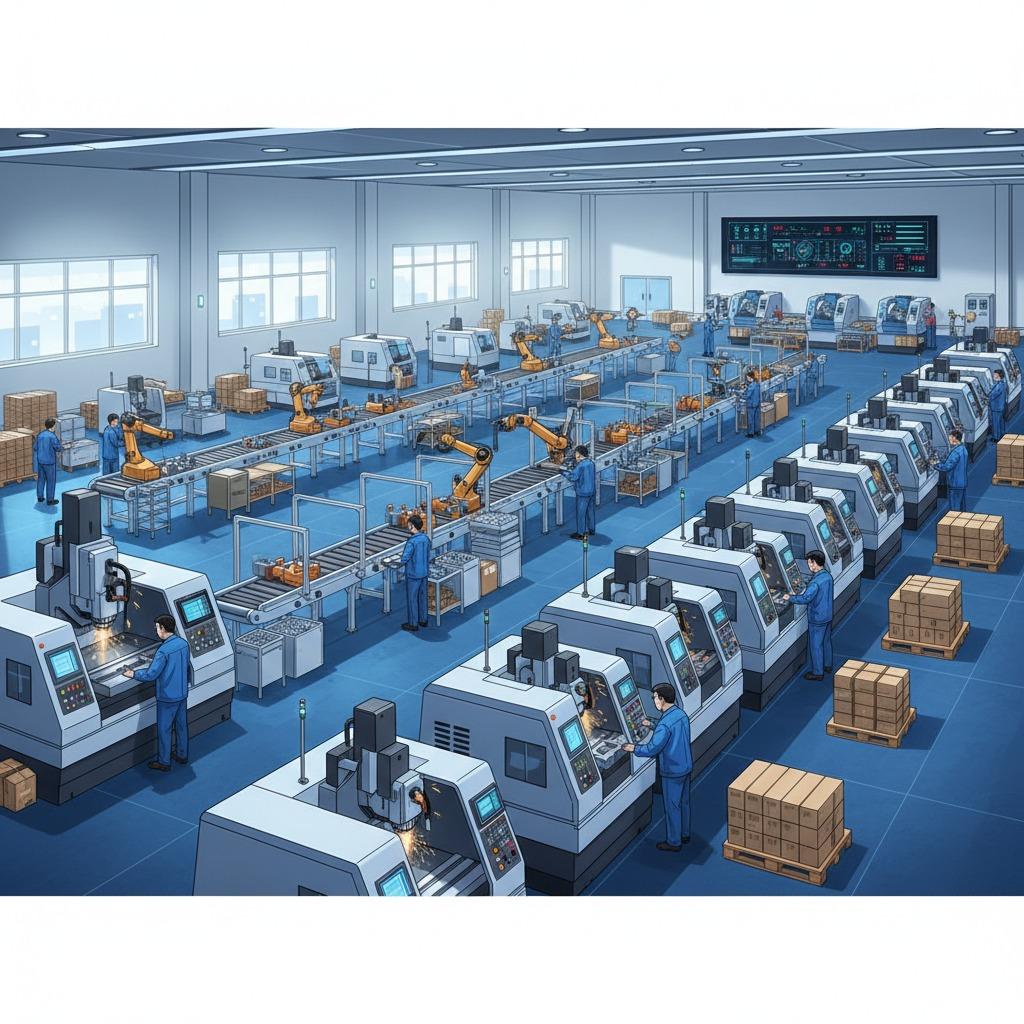
Why Companies Choose OEM Fastener Supplier China
Choosing an OEM fastener supplier China means partnering with factories that can produce custom parts to exact specifications. These suppliers often maintain modern CNC machines and automated inspection lines to guarantee tight tolerances and consistent output. When you work with an experienced OEM partner, you gain access to a wide range of materials such as stainless steel, carbon steel, and alloy steel, along with various surface treatments including zinc plating, hot-dip galvanizing, and black oxide. The advantage is clear: one supplier can handle everything from prototype samples to full production runs, eliminating the need to coordinate multiple vendors.
Quality Standards and Certifications
Quality is the key factor that separates reliable suppliers from the rest. A reputable OEM fastener supplier China will hold ISO 9001 and IATF 16949 certifications, ensuring that every batch undergoes strict process control and final inspection. Many also comply with international standards such as DIN, ANSI, and JIS. Third-party audits by SGS or TUV add another layer of confidence, confirming that material composition, dimensional accuracy, and mechanical properties meet your engineering requirements. When reviewing potential partners, always request material certificates and ask about their internal testing equipment such as tensile testers and salt-spray chambers.
Cost Efficiency and Supply Chain Benefits
Cost efficiency remains a major reason businesses continue to work with OEM fastener supplier China partners. Lower labor and production costs allow suppliers to offer attractive unit prices even for small-batch custom work. Additionally, integrated logistics networks help reduce shipping time through major ports like Shanghai and Shenzhen. Companies that consolidate orders for multiple fastener types often see further savings in freight and customs clearance. The result is a lean supply chain that keeps your assembly lines running without unexpected delays or premium rush fees.
How to Select the Right Partner
To select the right OEM fastener supplier China, start by reviewing their engineering support capabilities. Good suppliers provide DFM feedback and can suggest design improvements that lower cost without affecting function. Next, evaluate their MOQ policy and sample turnaround time; flexible partners are willing to run small test lots before committing to volume. Finally, confirm their communication channels and after-sales service, including warranty coverage and technical support. A supplier that responds quickly and provides clear documentation will save you time and reduce project risk throughout the product life cycle.