Understanding Galvanized Bolts vs Zinc Plated Bolts
When it comes to fastening solutions for construction and manufacturing, choosing the right type of bolt is crucial for durability and performance. The debate between galvanized bolts vs zinc plated bolts often arises due to their corrosion-resistant properties. Galvanized bolts undergo a hot-dip process where they are coated with a thick layer of zinc, providing robust protection against rust in harsh environments. On the other hand, zinc plated bolts receive a thinner electroplated zinc coating, suitable for milder conditions. This comparison helps in selecting the appropriate fastener for specific applications, ensuring longevity and safety.
The Galvanization Process and Its Advantages
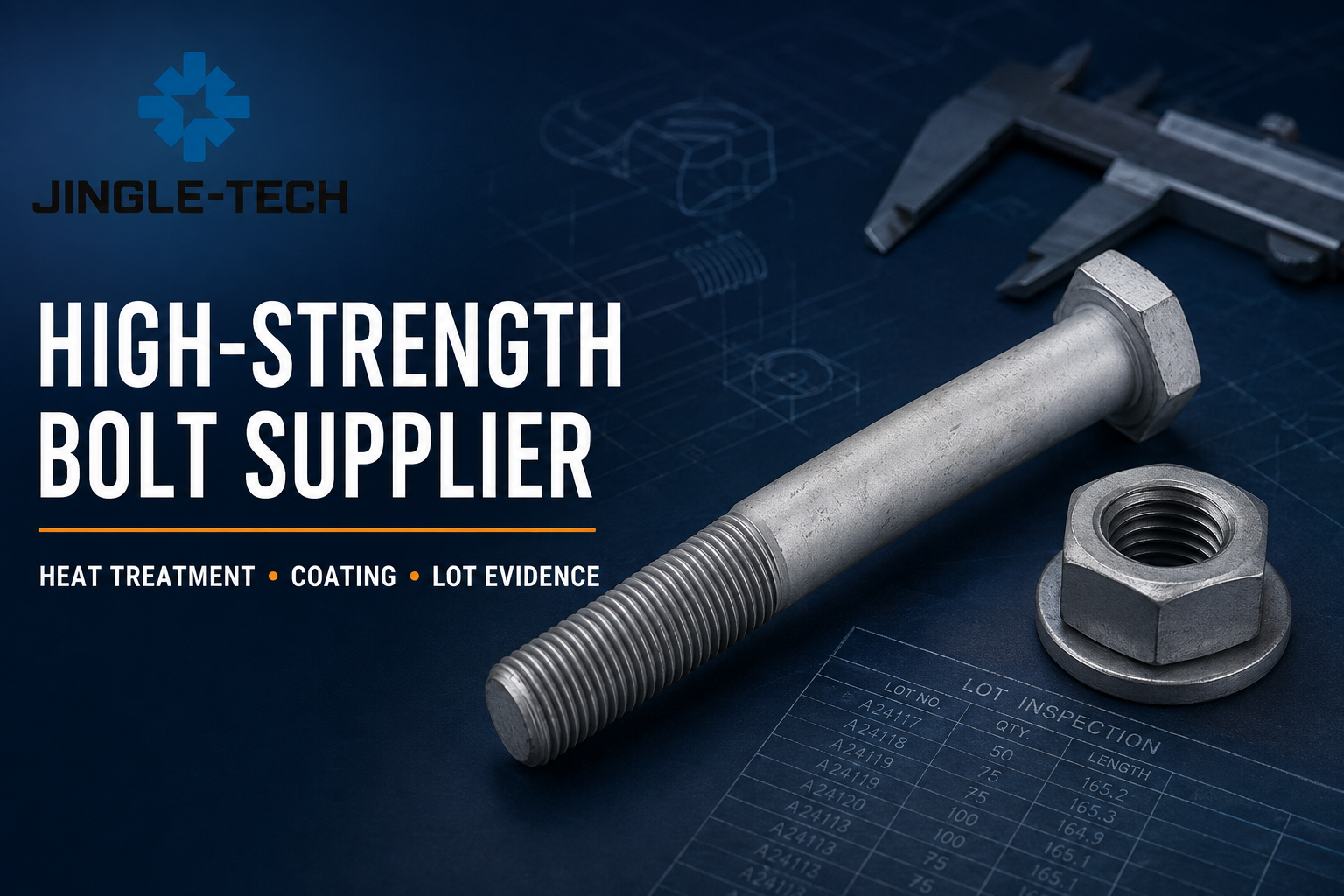
Galvanized bolts are produced by immersing steel bolts in molten zinc, creating a metallurgical bond that forms multiple protective layers. This method results in a coating thickness of 50-100 microns, offering superior resistance to corrosion, especially in outdoor or marine settings. The zinc acts as a sacrificial anode, corroding first to protect the underlying steel. Industries like construction, agriculture, and infrastructure favor galvanized bolts for their long lifespan, often exceeding 50 years in moderate exposure. They also provide better resistance to mechanical damage, as the coating is harder and more uniform compared to other plating methods.
Zinc Plating: A Cost-Effective Alternative
Zinc plated bolts, created through electrolytic deposition, apply a thin layer of zinc, typically 5-25 microns thick, giving them a shiny appearance. While they offer good corrosion protection for indoor or low-moisture environments, they are less effective in wet or salty conditions. This makes zinc plated bolts ideal for automotive parts, electronics, and general assembly where aesthetics and cost matter. They are significantly cheaper to produce than galvanized bolts, making them a popular choice for budget-conscious projects. However, their thinner coating means they may require additional treatments, like chromate conversion, to enhance durability.
Key Differences in Performance and Applications
Comparing galvanized bolts vs zinc plated bolts reveals distinct strengths. Galvanized options excel in tensile strength retention post-coating and are self-healing if minor scratches occur, due to the zinc's ability to flow and reform. Zinc plated bolts, while lighter and easier to handle, can suffer from hydrogen embrittlement during plating, potentially weakening high-strength steels if not properly baked. For structural builds exposed to weather, galvanized is preferable; for decorative or internal uses, zinc plating suffices. Environmental factors, such as acidity or UV exposure, further tilt the scale—galvanized holds up better overall.
Choosing the Right Bolt for Your Project
Ultimately, the choice between galvanized bolts vs zinc plated bolts depends on the project's demands. Assess exposure to elements, load requirements, and budget to decide. For long-term reliability in demanding conditions, invest in galvanized bolts; for economical, short-to-medium term solutions, opt for zinc plated. Consulting standards like ASTM specifications ensures compliance and optimal performance. By understanding these differences, you can enhance the integrity of your assemblies and avoid costly replacements.